Introduction
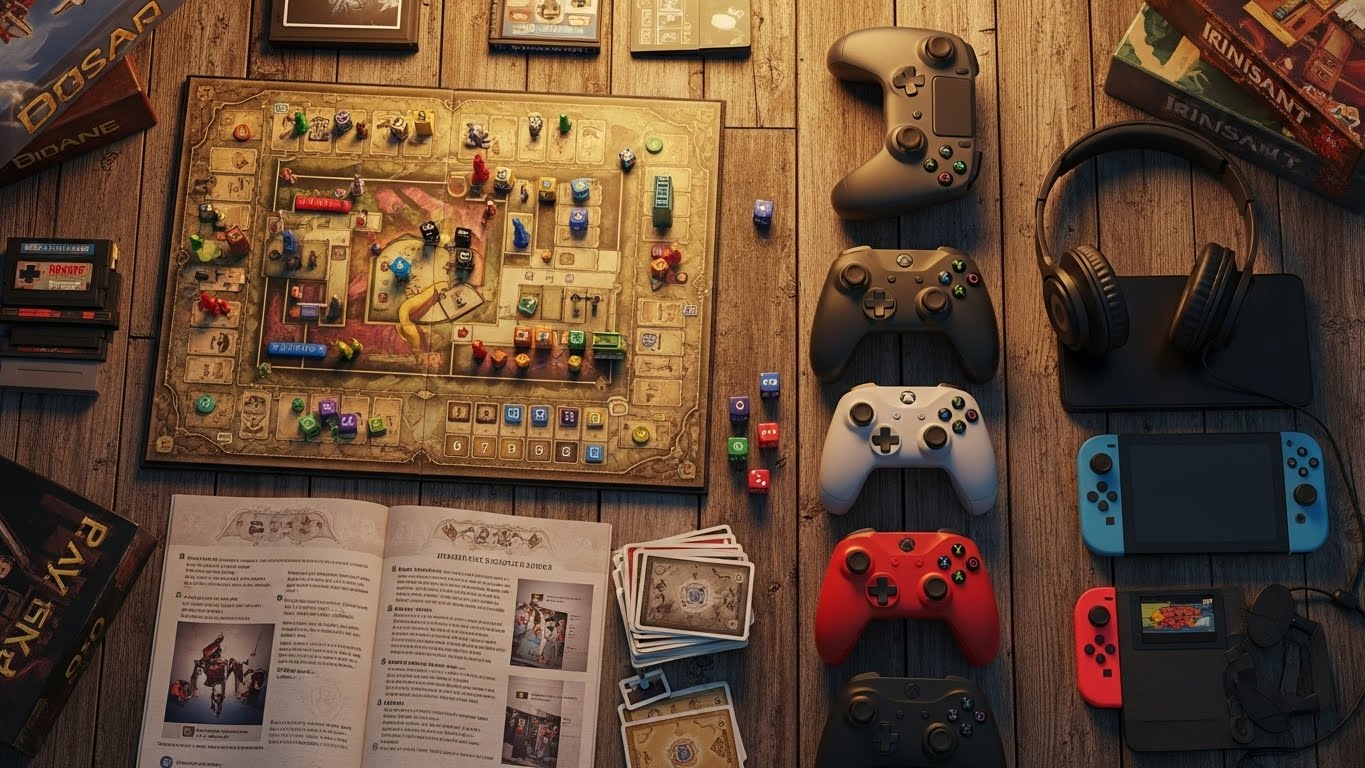
Games have always been a part of human culture, offering fun, challenge, and a sense of accomplishment. From traditional board games to modern digital experiences, games entertain people of all ages while encouraging creativity, strategic thinking, and social interaction. They provide a break from daily routines and offer opportunities to learn, compete, and connect with others.
The Evolution of Games
Games have evolved tremendously over time. Traditional games like chess, card games, and sports were once the primary forms of entertainment. With technological advancements, video games, mobile games, and online multiplayer experiences have transformed the way people play. Modern games combine graphics, storytelling, and interactive mechanics to create immersive experiences that were unimaginable decades ago.
Games and Social Interaction
Games are not just about winning or losing; they bring people together. Multiplayer games, whether digital or physical, encourage teamwork, collaboration, and healthy competition. Players communicate, strategize, and support one another, building friendships and social connections. Even casual games can spark conversations, shared experiences, and a sense of belonging.
Developing Skills Through Games
Games can be educational and skill-building. Strategy games enhance critical thinking and planning, puzzle games improve problem-solving abilities, and action games sharpen reflexes and coordination. Cooperative and team-based games teach leadership, communication, and collaboration. By challenging the mind and body, games help players develop skills that extend beyond the game itself.
Mobile and Digital Gaming
Mobile and digital gaming have made games more accessible than ever. Smartphones, tablets, and computers allow people to play anywhere, anytime. Digital platforms offer a variety of games, from simple casual games to complex role-playing adventures. This accessibility has opened gaming to a wider audience and created a new culture of gamers around the world.
Games and Mental Health
Games can also have positive effects on mental well-being. They provide relaxation, reduce stress, and improve mood. Engaging in games allows people to focus, take breaks from daily pressures, and experience a sense of achievement. Social and cooperative games further enhance mental wellness by fostering community and teamwork.
The Future of Games
The future of games is full of possibilities. Virtual reality, augmented reality, and advanced artificial intelligence are making games more immersive and interactive than ever. As technology evolves, games will continue to grow as a platform for creativity, learning, and connection. They will offer experiences that engage players’ minds, bodies, and emotions in exciting new ways.
Conclusion
Games are more than just entertainment; they are tools for learning, socializing, and personal growth. They challenge the mind, foster connections, and create joy in everyday life. From traditional board games to advanced digital experiences, games continue to evolve, offering endless possibilities for fun, strategy, and imagination.