Introduction: The Universal Language of Games
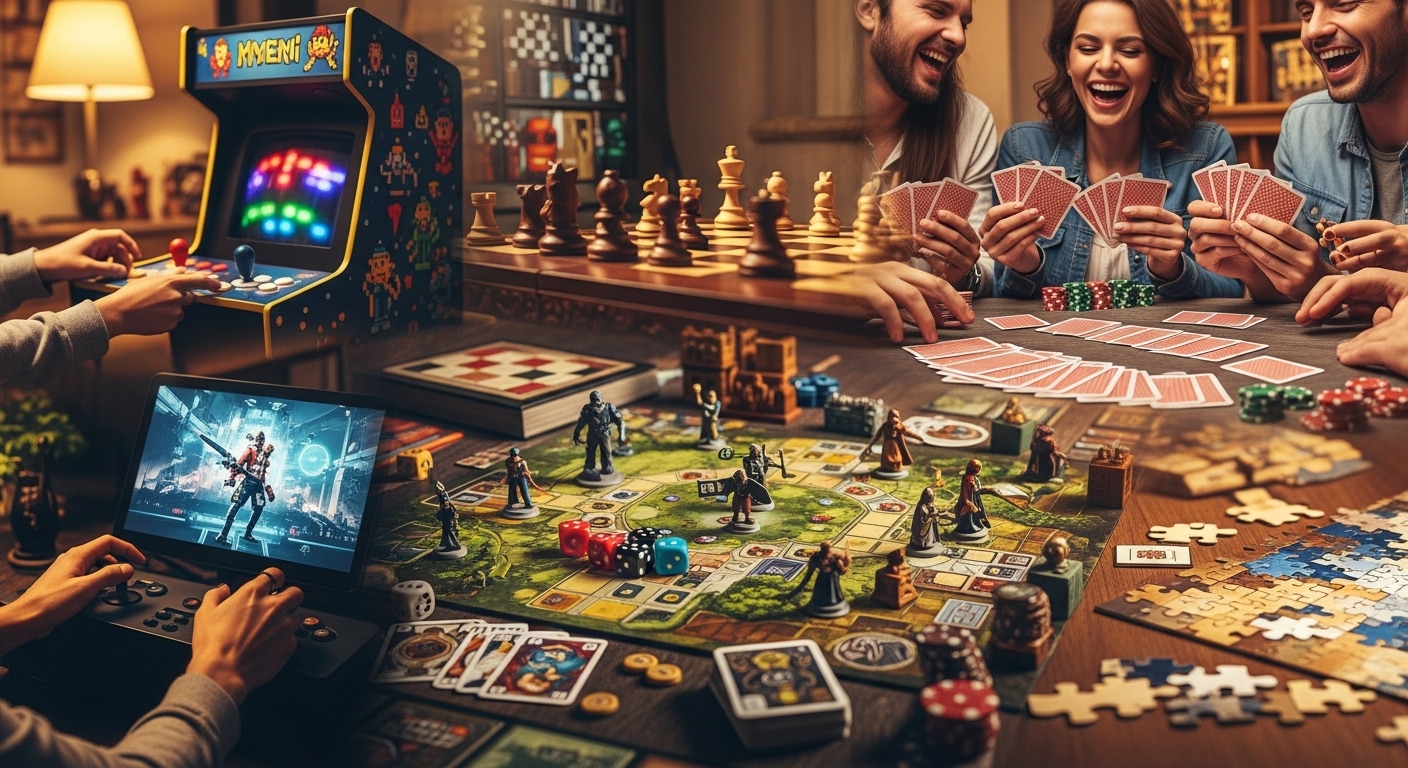
From the dawn of human history, games have been an integral part of culture, shaping how we connect, learn, and challenge ourselves. Whether it’s a child playing tag in the park or millions of gamers competing in global esports tournaments, games are universal. They transcend boundaries of age, geography, and even technology, offering people a shared space for entertainment, competition, and collaboration.
Games are more than just an escape; they influence our social behavior, teach critical life skills, and, increasingly, shape the future of technology. As the world of gaming has evolved, so too have its role in society. From ancient board games to today’s immersive virtual realities, games have shaped civilizations, fostered social connections, and even become powerful educational tools. This blog explores the history, psychology, and future of games, illustrating their deep influence on the way we play, learn, and interact.
The Early History of Games: From Ancient Civilizations to Cultural Rituals
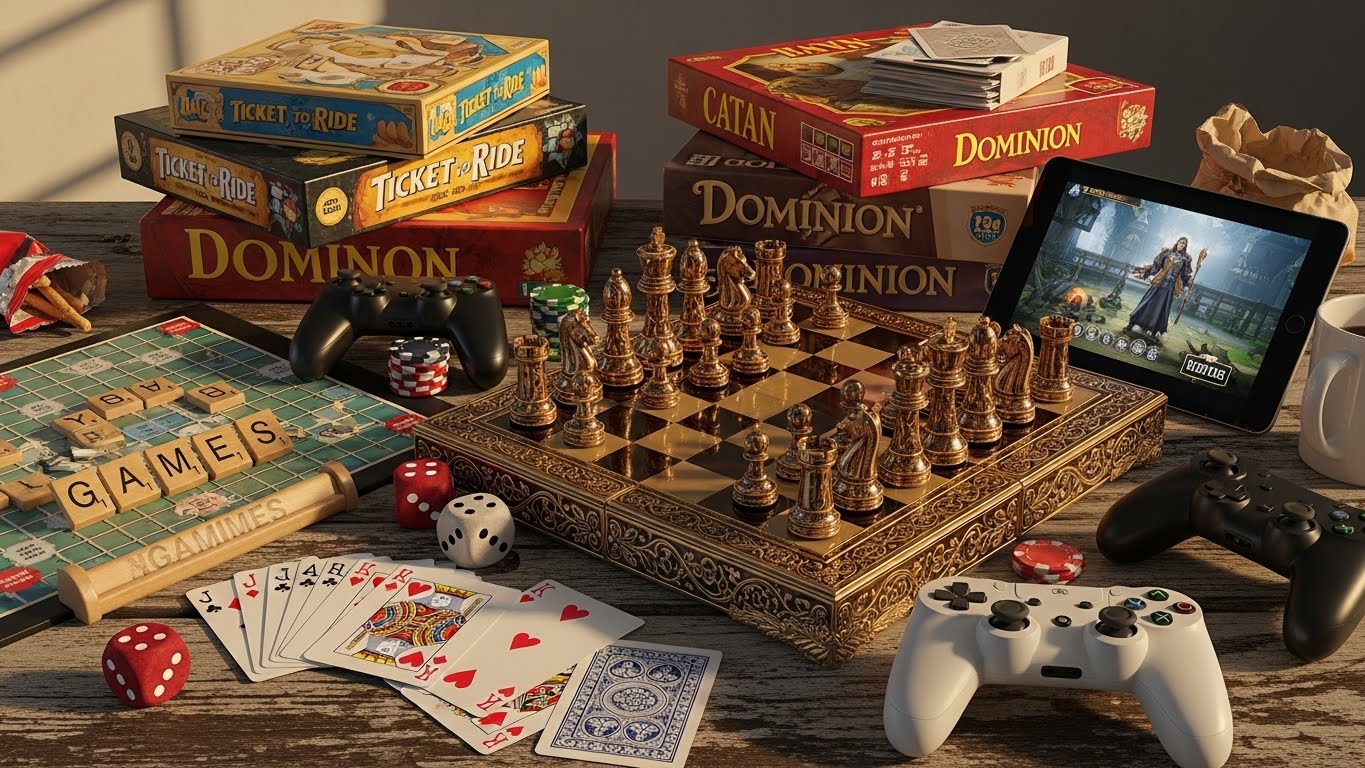
Games have existed in various forms throughout human history. Archaeological evidence reveals that people have been playing games for thousands of years, long before the rise of modern entertainment. Early board games, such as Senet in Egypt, Mancala in Africa, and Go in China, date back over 5,000 years and served not only as entertainment but as tools for teaching strategy, patience, and social interaction.
The ancient Egyptians, for example, played Senet, a game believed to symbolize the journey of the soul in the afterlife. These games often had symbolic or religious meanings, reflecting the values of the society in which they were played. For the ancient Chinese, Go was a game of deep strategy that tested the intellect, while in Mesopotamia, the Royal Game of Ur was used to teach lessons of chance and fortune.
In addition to board games, physical sports like wrestling, running, and javelin throwing were not only recreational but also important for training warriors and promoting social cohesion. The Olympic Games, first held in ancient Greece, are one of the most enduring examples of the role of competitive play in shaping societies and fostering unity through shared experiences.
The Evolution of Games: From Physical to Digital
While physical games and sports remained popular throughout history, the 20th century brought an entirely new dimension to the world of games. The advent of technology transformed play into something far beyond what early societies had imagined.
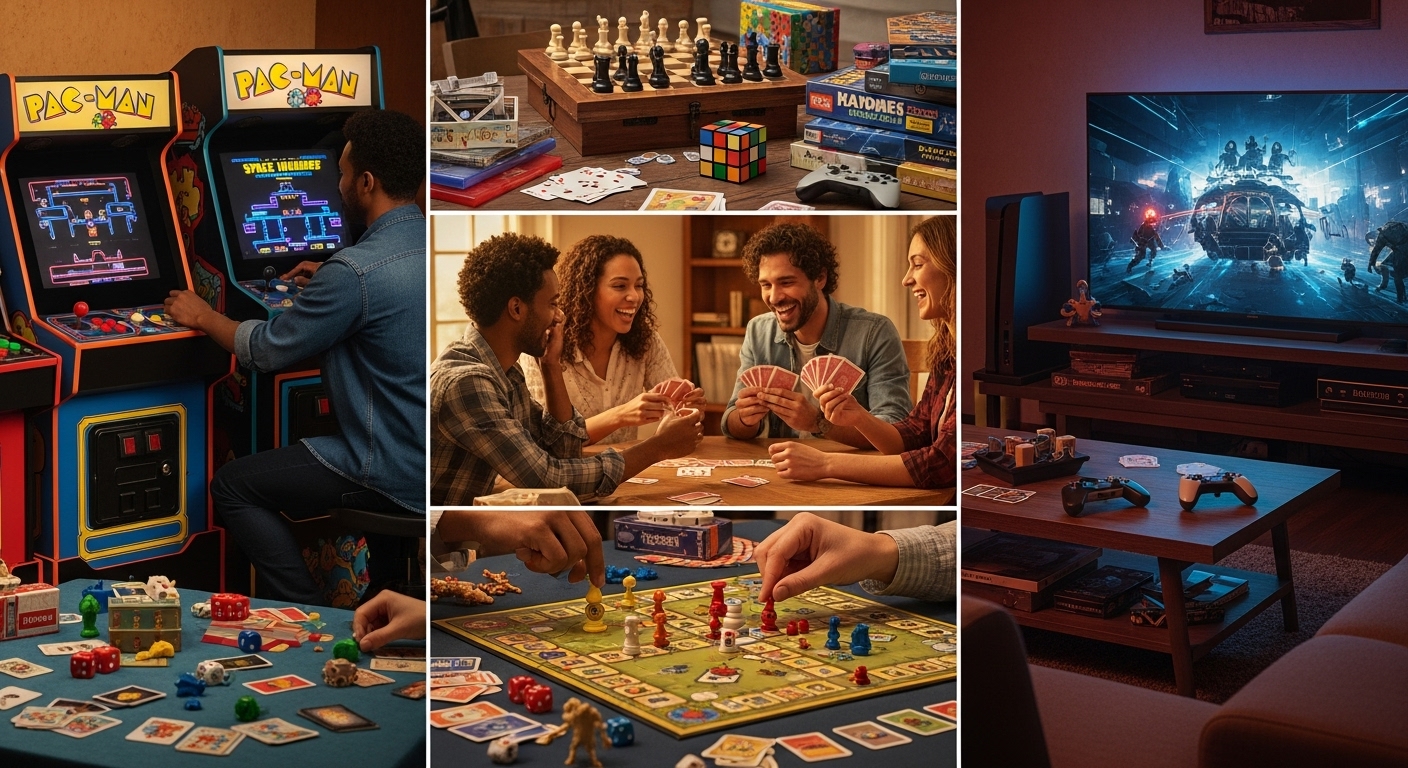
The first significant shift came with the invention of video games. In the 1950s and 1960s, experiments with computers began to produce simple digital games. Early titles like Tennis for Two and Spacewar! paved the way for a new form of entertainment that combined technology, competition, and interactivity. However, it wasn’t until the 1970s that gaming truly entered the public consciousness with the creation of arcade games like Pong and Pac-Man.
The release of the Nintendo Entertainment System (NES) in the 1980s brought gaming into homes around the world. Games like Super Mario Bros. and The Legend of Zelda set new standards for game design, immersing players in vibrant worlds filled with puzzles, enemies, and adventures. Video games had finally evolved into a mainstream form of entertainment, changing how we spent our leisure time and how we interacted with technology.
The Rise of Online Gaming: A New Era of Connectivity
As technology continued to evolve, gaming entered a new phase in the late 1990s with the introduction of online multiplayer games. The internet opened up new possibilities, allowing players to connect with others around the globe and compete in real-time. EverQuest, released in 1999, was one of the first massively multiplayer online role-playing games (MMORPGs), offering players the chance to explore vast digital worlds and interact with thousands of other users.
The popularity of online games grew exponentially in the 2000s, with games like World of Warcraft and Counter-Strike dominating the gaming landscape. These games required not only skill and strategy but also teamwork, as players worked together to achieve shared goals. The rise of MMORPGs and first-person shooters (FPS) brought about the growth of online communities and esports, creating opportunities for gamers to compete on a professional level.
Esports, or competitive video gaming, has evolved into a billion-dollar industry, with professional players, teams, and tournaments gaining widespread popularity. Games like League of Legends, Dota 2, and Overwatch have drawn millions of viewers, with tournaments being broadcast globally on platforms like Twitch and YouTube Gaming. The rapid rise of esports has elevated gaming to the status of a professional sport, giving players the chance to earn significant income through sponsorships, streaming, and tournament prizes.
Mobile Gaming: The Future in Your Pocket
While console and PC gaming remain popular, the rise of mobile gaming has brought gaming to an even wider audience. With the introduction of smartphones and tablets, gaming has become more accessible than ever before. Mobile games like Candy Crush Saga, Clash of Clans, and Pokémon GO have attracted millions of players around the world, offering engaging experiences that can be enjoyed in short bursts, anywhere, anytime.
The appeal of mobile games lies in their accessibility. Unlike traditional gaming consoles, which require specialized hardware, smartphones are devices that most people already own. This has allowed mobile gaming to reach a massive global audience, including those who may not have previously been interested in gaming. The rise of augmented reality (AR) games like Pokémon GO has also introduced an entirely new dimension to mobile gaming, blending the digital and physical worlds in innovative ways.
Mobile games are often designed for quick, casual play, but many modern mobile titles have become complex, strategic, and deeply immersive. Games like Clash Royale, PUBG Mobile, and Fortnite Mobile offer experiences that rival traditional console gaming, with sophisticated mechanics, large-scale multiplayer battles, and live events.
The Psychological Benefits and Drawbacks of Gaming
While gaming is often seen as a form of entertainment, its impact on the mind and body is profound. Research has shown that playing games can improve cognitive skills such as problem-solving, memory, and hand-eye coordination. For example, action games have been found to improve visual processing and reaction times, while puzzle games enhance strategic thinking and decision-making.
Games also offer a sense of accomplishment and reward, which can boost self-esteem and motivation. The progression system in many games—whether it’s gaining experience points, completing quests, or leveling up—gives players tangible goals to strive for, creating a sense of satisfaction when they succeed.
However, gaming also has its drawbacks. Video game addiction is a growing concern, with some players spending excessive amounts of time in virtual worlds at the expense of their social lives, academic or work responsibilities, and mental health. It is essential for gamers to strike a balance between gaming and other aspects of life to ensure that play remains a positive experience.
Gaming and Social Interaction: Building Communities
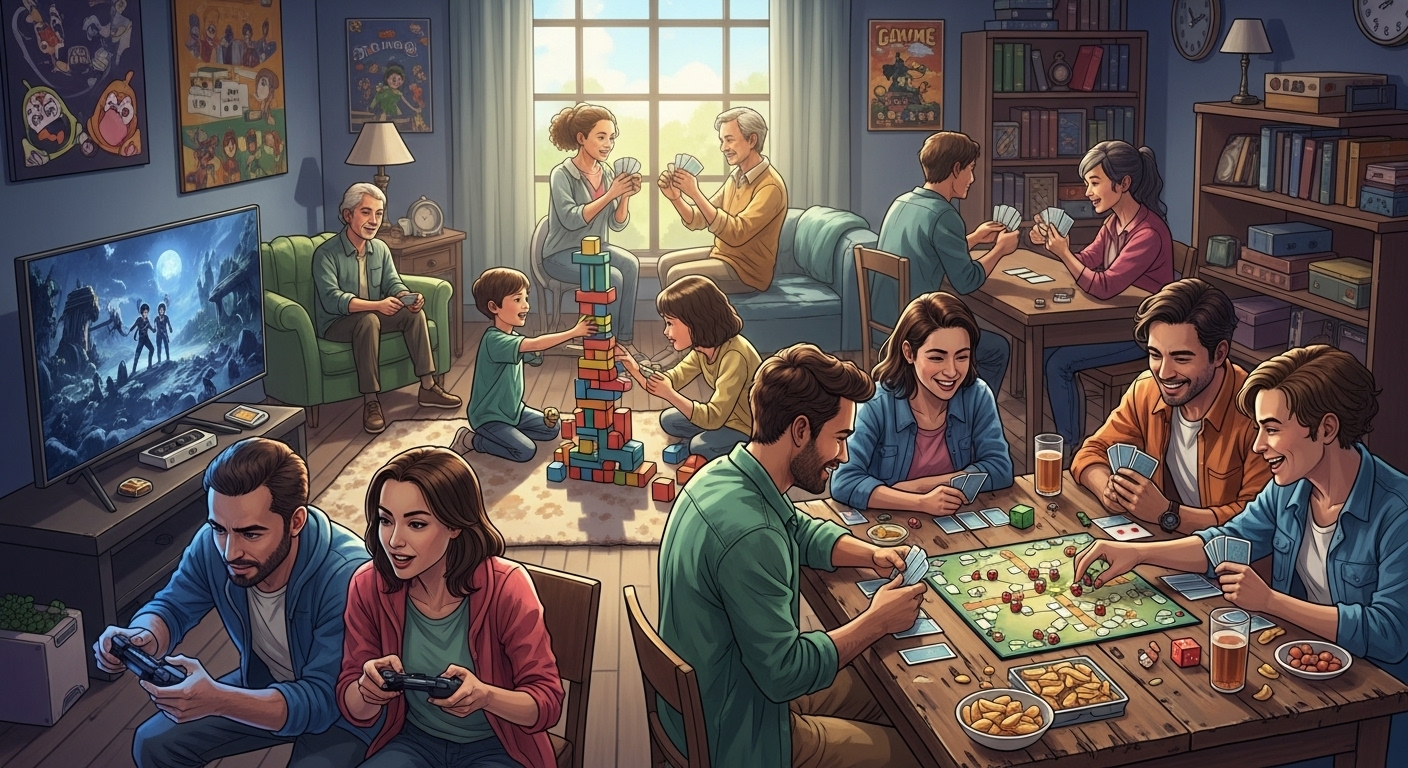
One of the most significant impacts of online gaming is its ability to connect people. Games like Fortnite, Minecraft, and Among Us have created thriving communities of players who communicate, collaborate, and compete with each other across vast distances. These communities often transcend the game itself, with players forming friendships, sharing experiences, and creating content together.
Gaming has also become a way for people to stay connected during difficult times. During the COVID-19 pandemic, many individuals turned to online games as a way to maintain social connections while physical distancing. The rise of streaming platforms like Twitch and YouTube has allowed gamers to share their experiences with a global audience, further amplifying the social aspect of gaming.
Additionally, gaming has provided a platform for marginalized groups to find community and representation. Games like The Last of Us Part II have been praised for their inclusivity, featuring diverse characters and addressing social issues such as LGBTQ+ rights, mental health, and trauma. As the gaming industry continues to grow, it has become a space for storytelling that reflects a wider range of human experiences.
The Future of Gaming: Virtual Reality, AI, and Beyond
Looking ahead, the future of gaming is incredibly exciting. Virtual reality (VR) and augmented reality (AR) are set to revolutionize the way we experience games. With the help of VR headsets like the Oculus Rift and PlayStation VR, players can immerse themselves in fully realized digital environments, engaging with the game world as if it were real. VR has the potential to create truly interactive experiences that blur the lines between the digital and physical worlds.
Artificial intelligence (AI) is another area where gaming is evolving. AI is already being used to create more dynamic, responsive game worlds, where non-playable characters (NPCs) can react to player actions in real time. In the future, AI could enable games to adapt to individual players’ skills and preferences, creating personalized gaming experiences.
Cloud gaming is another innovation that will reshape the industry. Cloud gaming allows players to stream games directly from the internet, eliminating the need for expensive hardware. This could make high-quality gaming accessible to anyone with a stable internet connection, democratizing the gaming experience for millions of people worldwide.
Conclusion: The Enduring Power of Games
Games have always been an essential part of human culture, and their influence continues to grow. From their humble beginnings as simple forms of entertainment to their current status as a global industry, games have shaped our world in profound ways. They teach us valuable skills, connect us to others, and offer us a platform for creative expression.