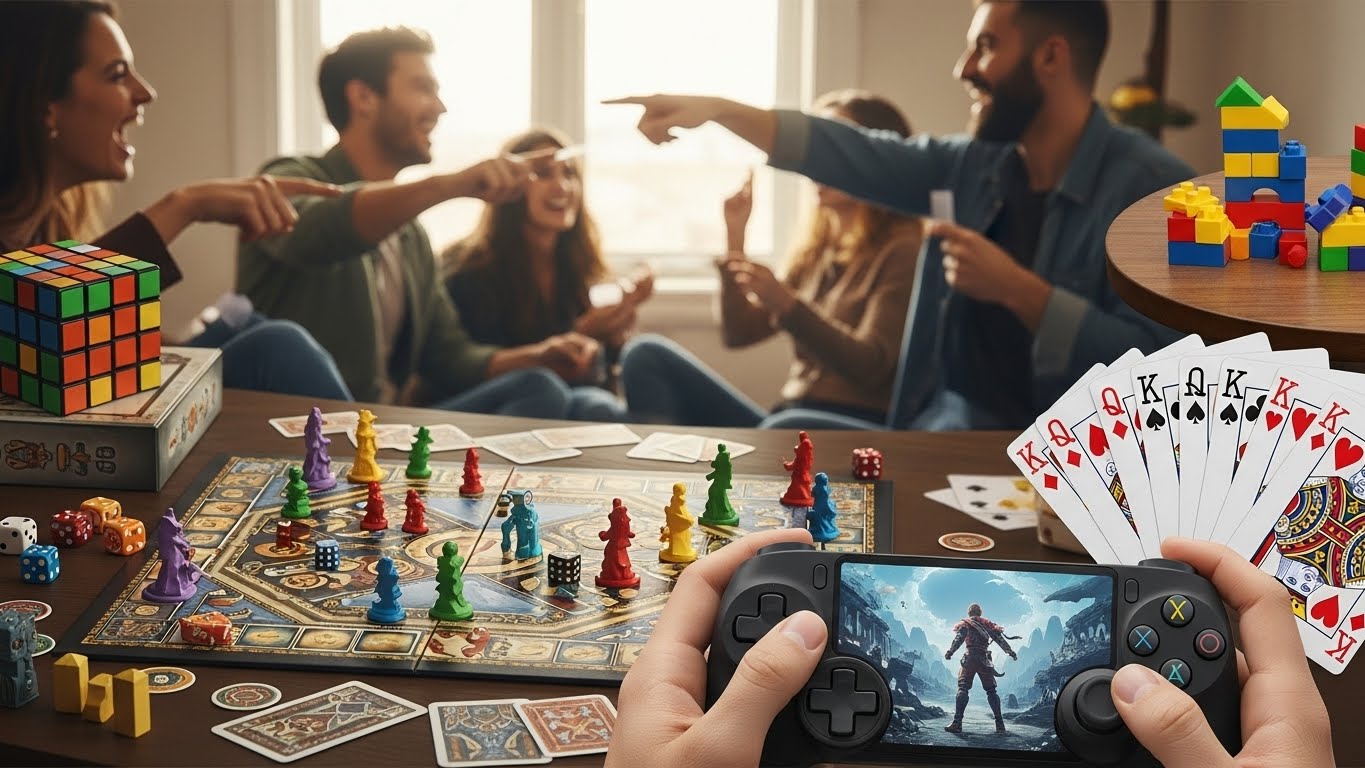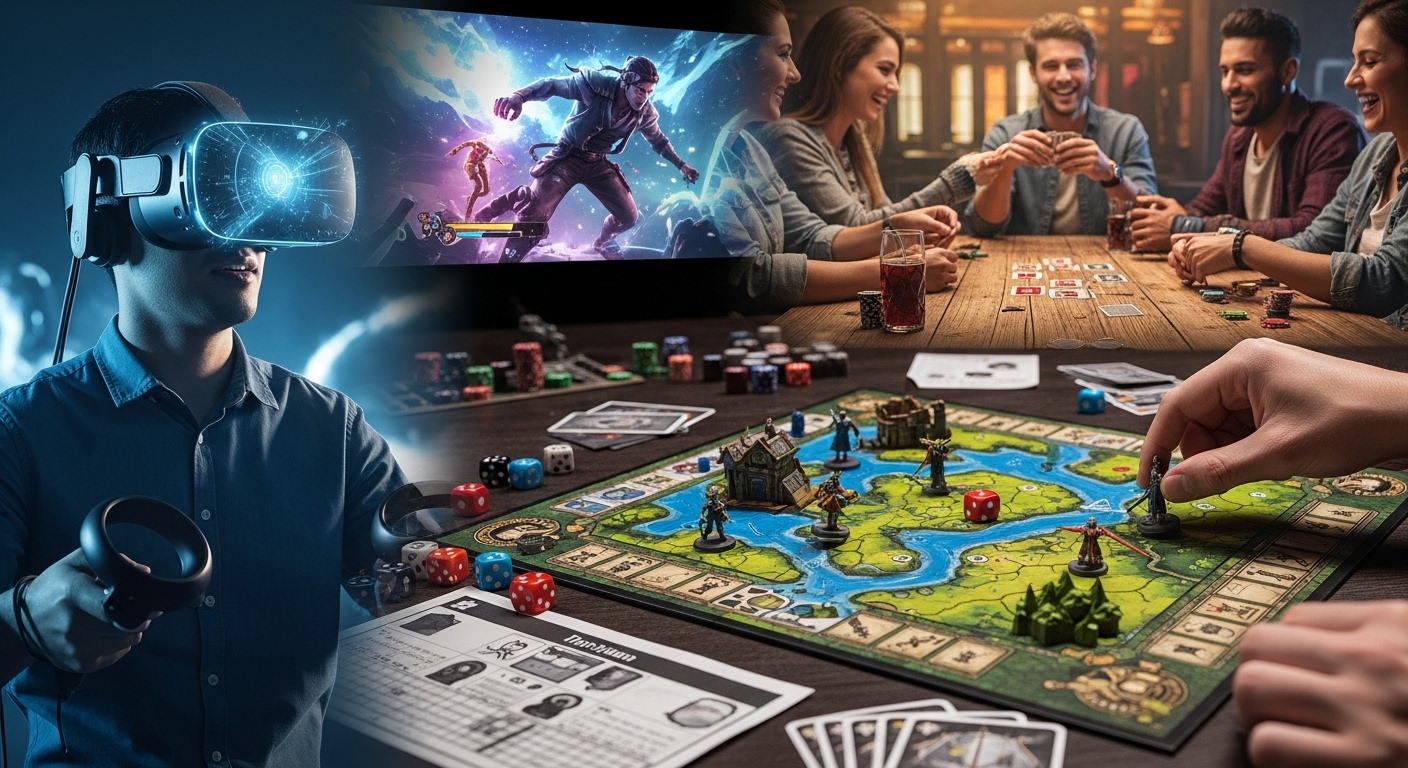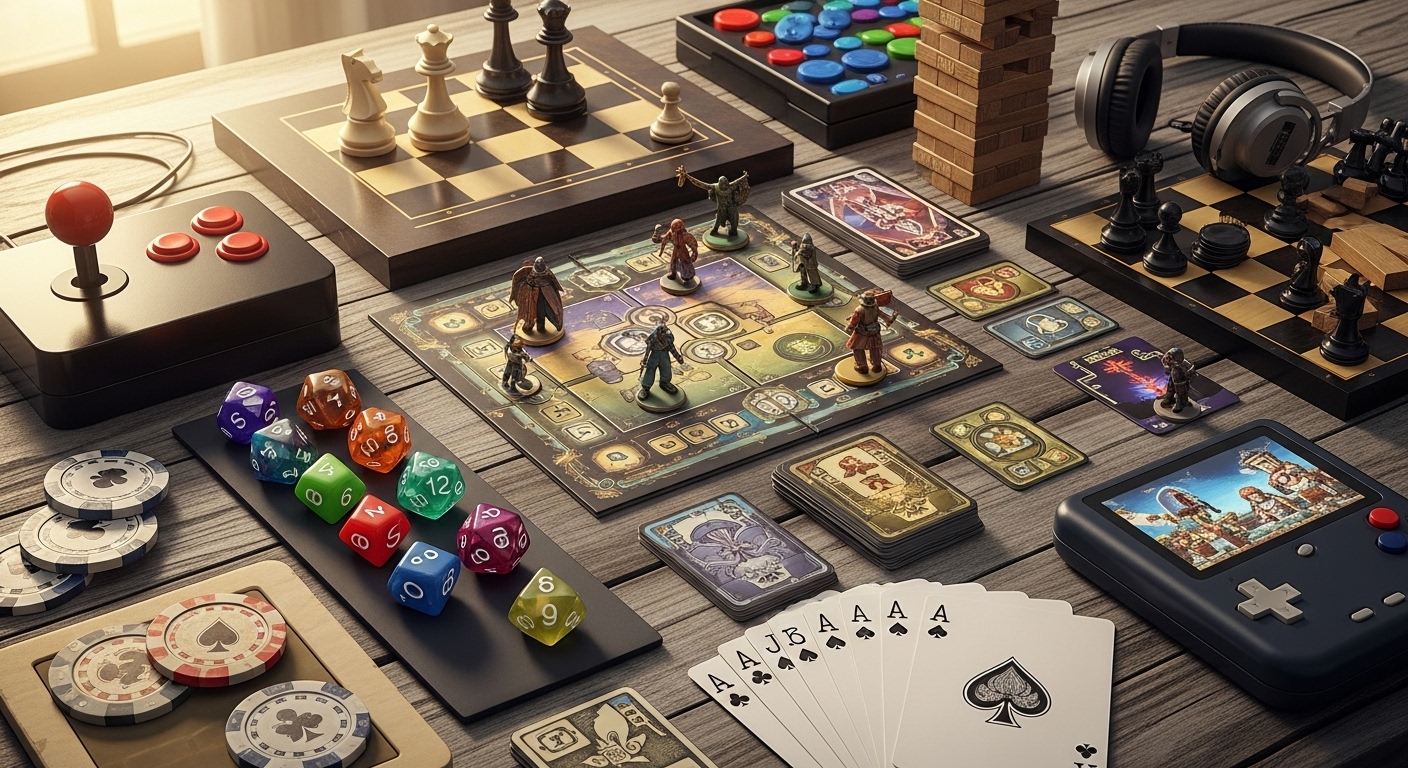
Games have always been a cornerstone of human culture, providing entertainment, social interaction, and cognitive challenges across generations. From ancient board games to modern digital platforms, games reflect creativity, storytelling, and innovation. Today, the gaming industry has expanded into a global ecosystem worth billions, with millions of players engaging in diverse experiences on consoles, computers, and mobile devices. Beyond simple fun, games now influence culture, technology, and social interaction in profound ways.
This blog explores the evolution of games, their various forms, the impact of gaming culture, technological innovations driving the industry, and what the future holds for interactive play.
The Historical Evolution of Games
Games have been an integral part of human society for thousands of years. Ancient civilizations created board games, card games, and outdoor activities for entertainment, education, and social bonding. Games like chess, Go, and Senet challenged strategic thinking and problem-solving, while physical games promoted teamwork and community engagement.
With the invention of technology, games evolved from physical objects into digital experiences. The 1970s and 1980s saw the emergence of early video games, which laid the foundation for a new interactive medium. Simple graphics and basic mechanics captured players’ imaginations, and the rise of home consoles and personal computers expanded the accessibility of gaming. Today, games combine advanced graphics, immersive storytelling, and global connectivity, making them a dominant form of entertainment.
The Rise of Video Games
Video games are at the heart of modern gaming, offering immersive experiences that combine challenge, creativity, and interaction.
Console Gaming
Consoles like PlayStation, Xbox, and Nintendo Switch provide high-quality graphics, intuitive controls, and immersive gameplay. They support both single-player and multiplayer modes, offering a wide range of genres and experiences. Console gaming appeals to casual and hardcore gamers alike, providing a family-friendly platform as well as competitive environments.
PC Gaming
PC gaming offers unmatched flexibility and performance. Gamers can customize hardware, control settings, and access advanced mods that enhance gameplay. The PC platform supports a vast range of genres, from first-person shooters to strategy games, and provides a competitive environment for online tournaments and eSports.
Mobile Gaming
Smartphones have revolutionized gaming by making it accessible to a global audience. Mobile games range from casual puzzles to complex strategy and simulation titles. The convenience of gaming on the go, combined with free-to-play and in-app purchase models, has dramatically expanded the gaming demographic and brought millions of new players into the ecosystem.
Popular Game Genres
Games come in various genres, each catering to different interests, skill levels, and engagement styles.
Action and Adventure Games
Action games test reflexes, timing, and coordination, while adventure games focus on exploration, storytelling, and problem-solving. Many modern titles combine both elements, offering cinematic experiences that captivate players for hours.
Role-Playing Games
Role-playing games (RPGs) allow players to take on the roles of characters, make decisions that impact storylines, and develop skills over time. RPGs emphasize immersive storytelling, strategic thinking, and emotional engagement, often set in expansive fictional worlds.
Strategy Games
Strategy games challenge players to plan, adapt, and make calculated decisions. Real-time strategy (RTS) and turn-based strategy games both require foresight, resource management, and critical thinking. Competitive strategy gaming has evolved into professional eSports tournaments with international followings.
Simulation and Sandbox Games
Simulation games replicate real-world activities, from managing cities and businesses to farming and sports. Sandbox games provide open-world environments where players create, explore, and experiment freely. Both genres encourage creativity, problem-solving, and long-term engagement.
Casual and Puzzle Games
Casual and puzzle games focus on accessible, often short-form gameplay. They are ideal for players seeking relaxing, mentally stimulating, or socially connected experiences. These games have surged in popularity on mobile platforms and social networks, engaging a broad audience.
Competitive Gaming and eSports
The competitive side of gaming, commonly known as eSports, has turned games into a spectator sport with global reach. Professional players, teams, and tournaments attract millions of viewers and offer substantial prize pools.
Tournaments and Championships
Major tournaments feature organized competitions with international participants. Games like League of Legends, Dota 2, and Counter-Strike host annual championships that are streamed worldwide, creating a new form of entertainment akin to traditional sports.
Professional Gaming Careers
Top eSports players earn income through tournament winnings, sponsorships, and streaming. Teams employ coaches, analysts, and support staff to enhance performance, creating professional environments similar to conventional athletic teams.
Streaming and Content Creation
Streaming platforms allow gamers to share live gameplay with global audiences. Popular streamers provide entertainment, tutorials, and community engagement, bridging the gap between casual play and professional competition. Content creation has become a lucrative and influential aspect of the gaming industry.
Social and Cultural Impact of Games
Games influence society, education, and culture in ways that extend beyond entertainment.
Community and Socialization
Online multiplayer games and gaming communities provide opportunities for social interaction, collaboration, and friendship. Players can participate in guilds, clans, or cooperative challenges, fostering a sense of belonging and teamwork.
Educational Value
Games develop cognitive skills such as problem-solving, strategic planning, and spatial reasoning. Educational games and simulations also allow players to learn subjects ranging from history and science to language and mathematics in an engaging, interactive manner.
Cultural Influence
Games shape popular culture by inspiring music, art, film, fashion, and storytelling. Iconic characters, narratives, and game worlds become shared cultural touchstones, influencing multiple creative industries and connecting diverse audiences worldwide.
Technology Driving the Gaming Industry
Technological innovation has been central to the growth and evolution of gaming.
Advanced Graphics and Audio
Modern games utilize high-resolution graphics, dynamic lighting, realistic physics, and immersive sound design to create cinematic experiences. These enhancements deepen player engagement and emotional connection to the game world.
Artificial Intelligence
AI powers intelligent opponents, adaptive difficulty, and personalized experiences. By responding to player actions, AI improves replayability and creates unique challenges for every player.
Virtual Reality and Augmented Reality
VR and AR technologies allow players to explore three-dimensional environments and interact naturally with digital objects. These innovations provide fully immersive experiences that redefine the way games are played and experienced.
Cloud Gaming
Cloud technology enables games to be streamed without high-end hardware, making high-quality experiences accessible to more players. This technology also supports cross-platform play and instant access, expanding the global gaming audience.
The Future of Games
The future of gaming promises even greater innovation and cultural impact.
Personalized Experiences
Games are increasingly using AI and data to tailor experiences to individual preferences. Personalized content, adaptive challenges, and customized interfaces will enhance engagement and player satisfaction.
Cross-Platform Integration
Cross-platform play allows players on different devices to interact seamlessly, creating more inclusive communities and expanding multiplayer possibilities.
Gamification Beyond Entertainment
Game mechanics are being applied in education, fitness, and business to create interactive, motivating experiences. Challenges, rewards, and progress tracking make tasks more engaging and fun.
Emerging Technologies
Haptic feedback, VR, AR, AI, and next-generation graphics will redefine gameplay, offering more interactive, realistic, and immersive experiences. These technologies will push the boundaries of what it means to play and experience games.
Conclusion
Games have evolved from simple pastimes to a complex, culturally significant form of entertainment. They offer engagement, challenge, creativity, and social connection, appealing to a wide spectrum of players worldwide. From console and PC gaming to mobile apps, eSports, and immersive VR experiences, games are shaping the way people play, compete, and connect.
The industry continues to innovate, driven by technology and audience expectations. Games are no longer just a hobby; they are cultural touchstones, educational tools, and global entertainment platforms. As the boundaries of interactivity, immersion, and personalization expand, the world of games will continue to influence entertainment, society, and human creativity for generations to come.