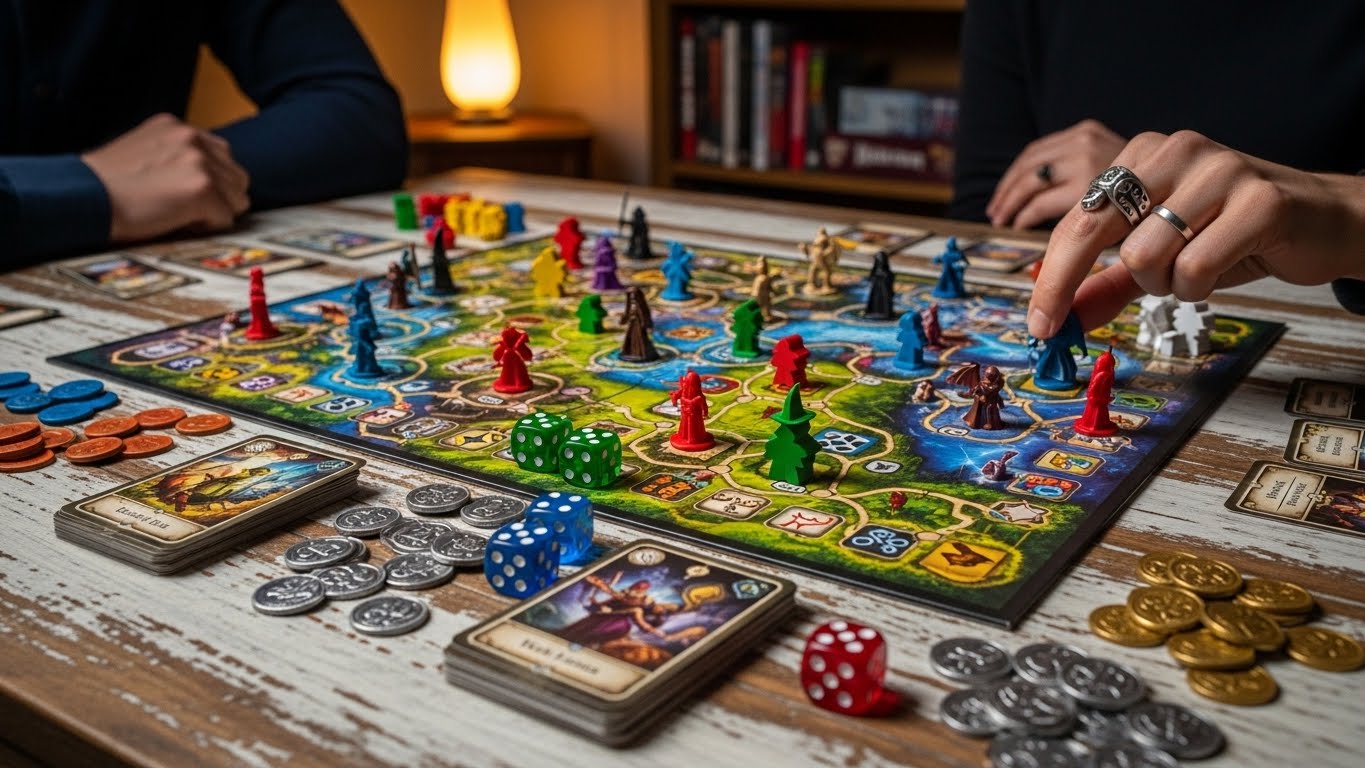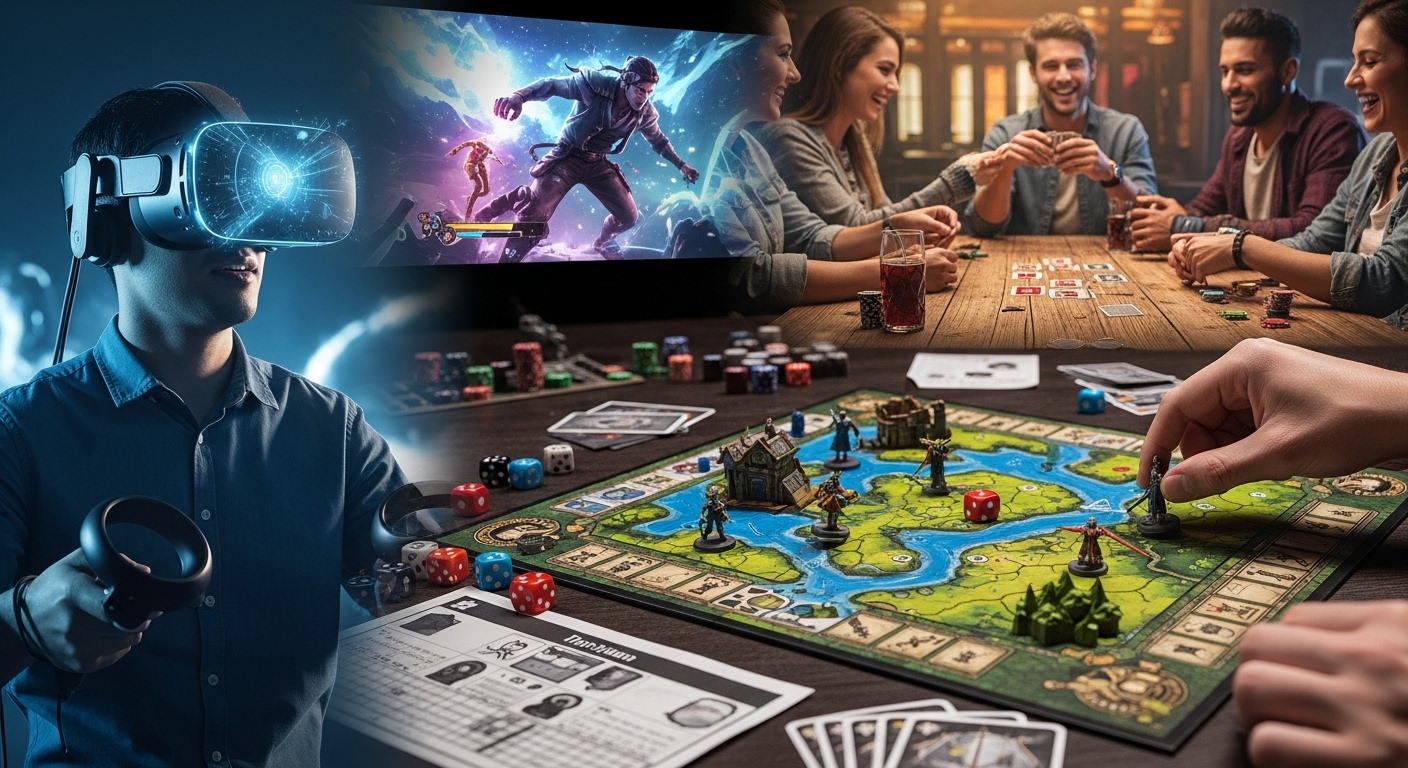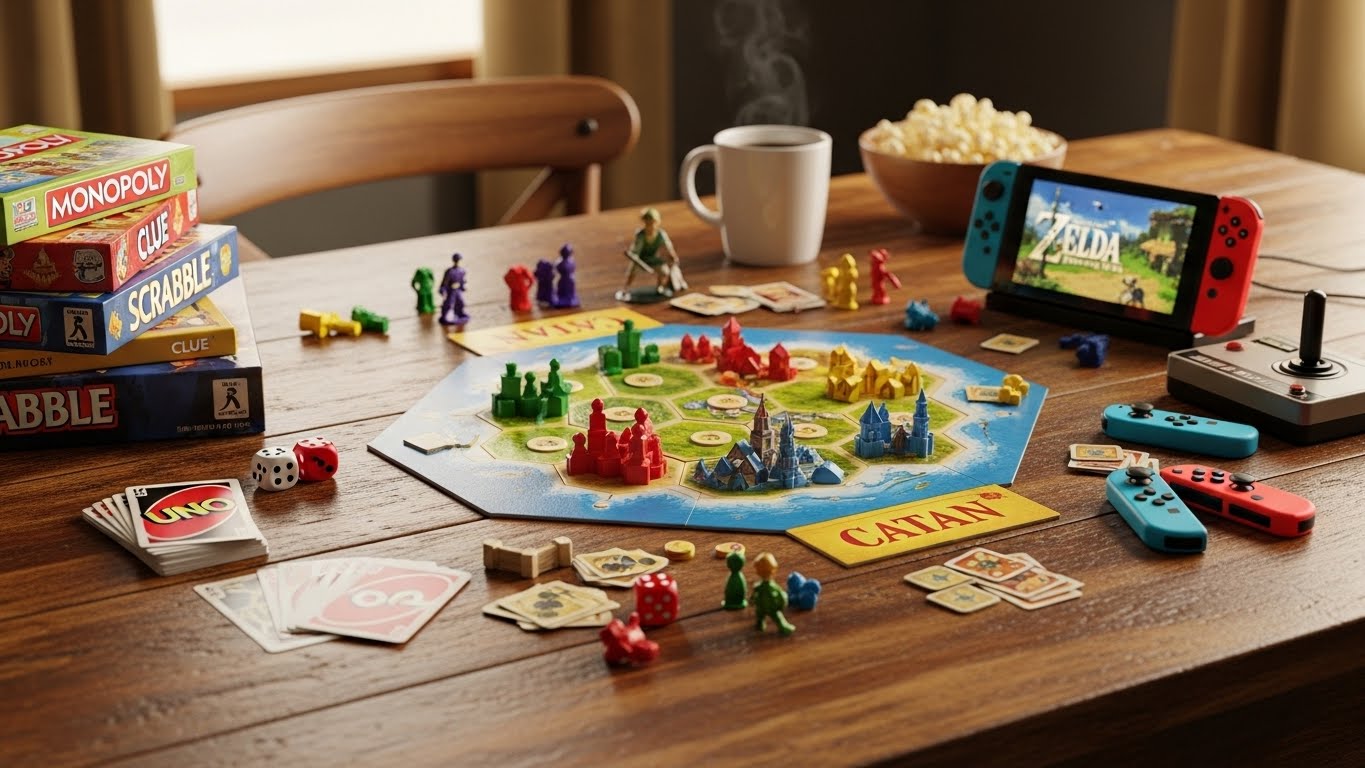
Gaming has come a long way from the days of simple arcade machines and early home consoles. What began as a niche form of entertainment for a small subset of enthusiasts has now grown into a global industry that touches nearly every corner of the world. Today, video games are more than just games – they are a massive cultural force that influences everything from technology to social dynamics. They have transformed how we socialize, learn, and even work, bridging gaps between generations, cultures, and backgrounds.
This blog post will explore the evolution of gaming, its current state, the impact it has on society, and what the future holds for this ever-growing industry.
The Evolution of Gaming: From Arcades to Virtual Reality
The journey of video gaming began in the 1970s with the advent of arcade games like Pong and Space Invaders. These early games were simple in design but revolutionary in their ability to engage players with interactive digital experiences. The 1980s brought home consoles into living rooms, with systems like the Atari 2600, Nintendo Entertainment System (NES), and Sega Genesis bringing video games directly to consumers. These early consoles laid the foundation for what would become a multi-billion-dollar industry.
In the 1990s, gaming underwent a significant transformation with the introduction of 3D graphics and more immersive gameplay experiences. The Sony PlayStation, released in 1994, helped usher in the era of 3D gaming, offering titles like Final Fantasy VII and Gran Turismo that became iconic in the gaming world. The advent of the internet also marked a turning point, as online gaming became increasingly popular, starting with titles like Warcraft and StarCraft.
By the 2000s, gaming had firmly cemented its place in popular culture. The introduction of high-definition graphics, vast open-world games, and online multiplayer experiences made gaming more immersive than ever before. Franchise games like Halo, Grand Theft Auto, and The Elder Scrolls became cultural landmarks, while the rise of the mobile gaming industry brought gaming to an even wider audience through smartphones and tablets.
Now, in the 2020s, we are on the cusp of another major shift in gaming technology, with virtual reality (VR) and augmented reality (AR) poised to take the lead. Companies like Oculus, Sony, and HTC are leading the charge with VR headsets that provide fully immersive experiences, while mobile AR games like Pokémon Go have shown how gaming can be integrated with the real world.
Gaming as a Form of Entertainment: More Than Just Fun
Video games are no longer just a way to pass the time. They have evolved into a highly sophisticated form of entertainment that rivals or even surpasses traditional media like movies and television. The ability to control characters and influence the story or outcome is one of the key reasons why games have become such a popular medium. Unlike films or books, where audiences passively absorb content, gaming offers an interactive experience that engages the player in ways that other forms of media cannot.
One of the most significant developments in gaming has been the growth of narrative-driven games. Games like The Last of Us, Red Dead Redemption 2, and The Witcher 3 have demonstrated that video games can tell complex, emotional stories on par with the best literature and cinema. These games feature deep characters, intricate plots, and moral dilemmas that make players think about their actions and their consequences, blurring the line between video games and storytelling art.
In addition to story-driven games, the rise of esports has brought competitive gaming into the spotlight. Esports tournaments, where professional gamers compete in games like League of Legends, Counter-Strike, and Fortnite, attract millions of viewers worldwide and have turned gaming into a spectator sport. The esports industry has grown exponentially in recent years, with major organizations, sponsorship deals, and multi-million-dollar prize pools becoming the norm. This evolution has turned professional gamers into celebrities, with some even gaining recognition and endorsement deals similar to traditional athletes.
Socializing Through Gaming: Connecting the World
One of the most profound impacts of gaming has been its ability to bring people together. Online multiplayer games like World of Warcraft, Fortnite, and Minecraft have created communities where players from different countries, backgrounds, and cultures can interact and collaborate. In these virtual worlds, the traditional boundaries of geography and language often fade away as players team up, chat, and form friendships that transcend the physical world.
Gaming has also become a major social activity, particularly among younger generations. Platforms like Twitch and YouTube allow gamers to share their experiences and interact with their audiences in real time. Streaming has turned gaming into an interactive spectacle, where viewers can watch skilled players, learn new techniques, and even influence the gameplay by donating or sending messages. The social aspect of gaming has expanded the community beyond just those who play games to include millions of fans and content creators.
Furthermore, gaming has provided a space for marginalized groups to find representation and support. Online communities have allowed people with shared interests, identities, and struggles to form bonds and create inclusive spaces. Many gaming communities have championed diversity, encouraging people of all races, genders, and sexual orientations to participate in and enjoy gaming without fear of discrimination or exclusion.
The Educational Value of Gaming: Learning Through Play
While gaming is often viewed as a form of entertainment, it also has considerable educational value. From cognitive development to problem-solving and teamwork, video games offer a wealth of learning opportunities that extend far beyond traditional classrooms.
One of the primary benefits of gaming is its ability to improve critical thinking and decision-making skills. Many modern games require players to think strategically, analyze situations, and solve complex puzzles. Games like Portal and The Legend of Zelda encourage players to think outside the box, developing skills that are transferable to real-world challenges.
Additionally, games can teach valuable life skills, such as collaboration, communication, and leadership. Online multiplayer games require players to work together to achieve common goals, fostering teamwork and social interaction. Players must learn to communicate effectively, manage resources, and make decisions in high-pressure environments—skills that are essential in both professional and personal settings.
In the educational sector, games are being increasingly integrated into classrooms as teaching tools. Games like SimCity and Civilization can teach history, geography, and economics, while educational apps like Duolingo help students learn new languages in a fun and engaging way. This approach to learning through play has proven to be highly effective in maintaining students’ interest and encouraging active participation in their education.
Gaming and Mental Health: The Positive and Negative Impacts
The relationship between gaming and mental health is complex. On the one hand, gaming has been shown to have positive effects on mental well-being, such as stress relief, relaxation, and the development of social bonds. Many players use games as an escape from the pressures of everyday life, providing them with a sense of accomplishment and purpose. Multiplayer games, in particular, foster a sense of community, which can be a valuable source of support for individuals who may feel isolated in the real world.
On the other hand, excessive gaming can have negative effects on mental health, particularly if it leads to addiction or social withdrawal. Video game addiction has become a growing concern, with some individuals spending excessive amounts of time gaming to the detriment of their physical health, relationships, and overall well-being. There are also concerns about the effects of violent video games on aggression and behavior, although research in this area has produced mixed results.
The key to balancing the positive and negative effects of gaming lies in moderation. Like any form of entertainment, gaming should be enjoyed in a healthy and balanced way. When used responsibly, gaming can offer numerous benefits, from stress relief to cognitive development to social connection.
The Future of Gaming: What Lies Ahead?
The gaming industry continues to evolve at a rapid pace, and the future promises even more groundbreaking developments. Virtual reality (VR) and augmented reality (AR) are poised to take gaming to new heights by offering fully immersive experiences. VR gaming, in particular, has the potential to revolutionize how players interact with games, providing a level of immersion that traditional screens cannot match. With advancements in VR hardware, such as more comfortable headsets and improved motion tracking, the barriers to entry for VR gaming are gradually lowering.
Cloud gaming is another exciting frontier. Services like Google Stadia and Microsoft’s Project xCloud are working to bring high-quality gaming experiences to devices that were previously unable to run graphically demanding games. By offloading the processing power to remote servers, players can access games on their phones, tablets, or low-end PCs, making gaming more accessible to a wider audience.
As technology continues to improve, the line between the virtual world and the real world will continue to blur. The rise of AI-powered NPCs (non-playable characters) will make game worlds feel more dynamic and responsive. The advent of better motion capture technology will allow for more lifelike character animations and interactions. And, of course, the future of esports looks brighter than ever, with increased professionalization, larger audiences, and more opportunities for players and teams.
Conclusion: Gaming as a Global Cultural Force
Gaming has transformed from a simple hobby to a multifaceted cultural phenomenon that influences nearly every aspect of modern life. From entertainment and education to social interaction and mental health, gaming touches on a wide range of topics and offers something for everyone. The industry continues to evolve, offering more immersive, inclusive, and accessible experiences for players around the world.
As we look to the future, it is clear that gaming will continue to be a powerful force for innovation, creativity, and connection. Whether as a form of entertainment, a social activity, or a tool for learning, games are reshaping how we interact with the world and each other. The gaming community is a vibrant and ever-expanding part of our global culture, and its influence is only set to grow.