Introduction: The Endless Power of Play
Games have always been more than just entertainment. From the earliest days of human civilization, games have been a reflection of creativity, competition, and the desire to connect. Whether it was the strategic board games played by ancient kings or the immersive digital experiences that define today’s era, gaming continues to evolve as one of the most powerful cultural forces in human history. Games transcend barriers of language, geography, and age, uniting people across the world through the universal language of play. In this blog, we will explore the evolution of games, their cultural significance, their impact on human psychology, and the technological revolution shaping the future of gaming.
The Ancient Roots of Gaming
Long before digital screens and consoles existed, games were an integral part of human life. The earliest recorded games date back thousands of years. In ancient Egypt, a board game called Senet was played by pharaohs and citizens alike, symbolizing the journey of the soul to the afterlife. Similarly, the game of Go in China and Mancala in Africa have been played for centuries, emphasizing strategy, patience, and intellect.
In ancient Greece and Rome, games were also associated with physical prowess and honor. The Olympic Games were founded on the belief that play and competition could build character and unity. Board games, dice games, and sports not only entertained but also served educational and ritual purposes, teaching social skills, decision-making, and discipline. These early forms of play laid the foundation for what we now call gaming—a blend of strategy, skill, and storytelling.
The Industrial Era and Birth of Modern Gaming
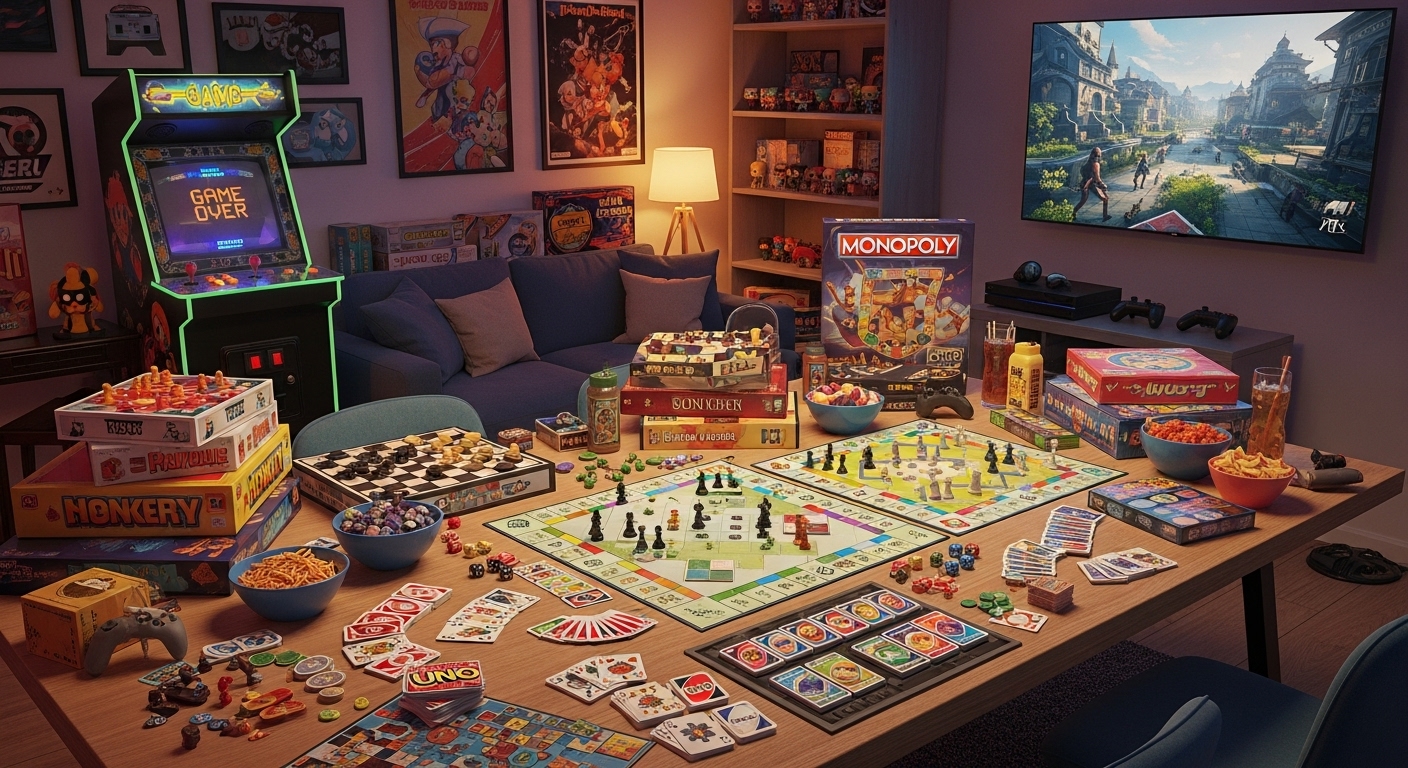
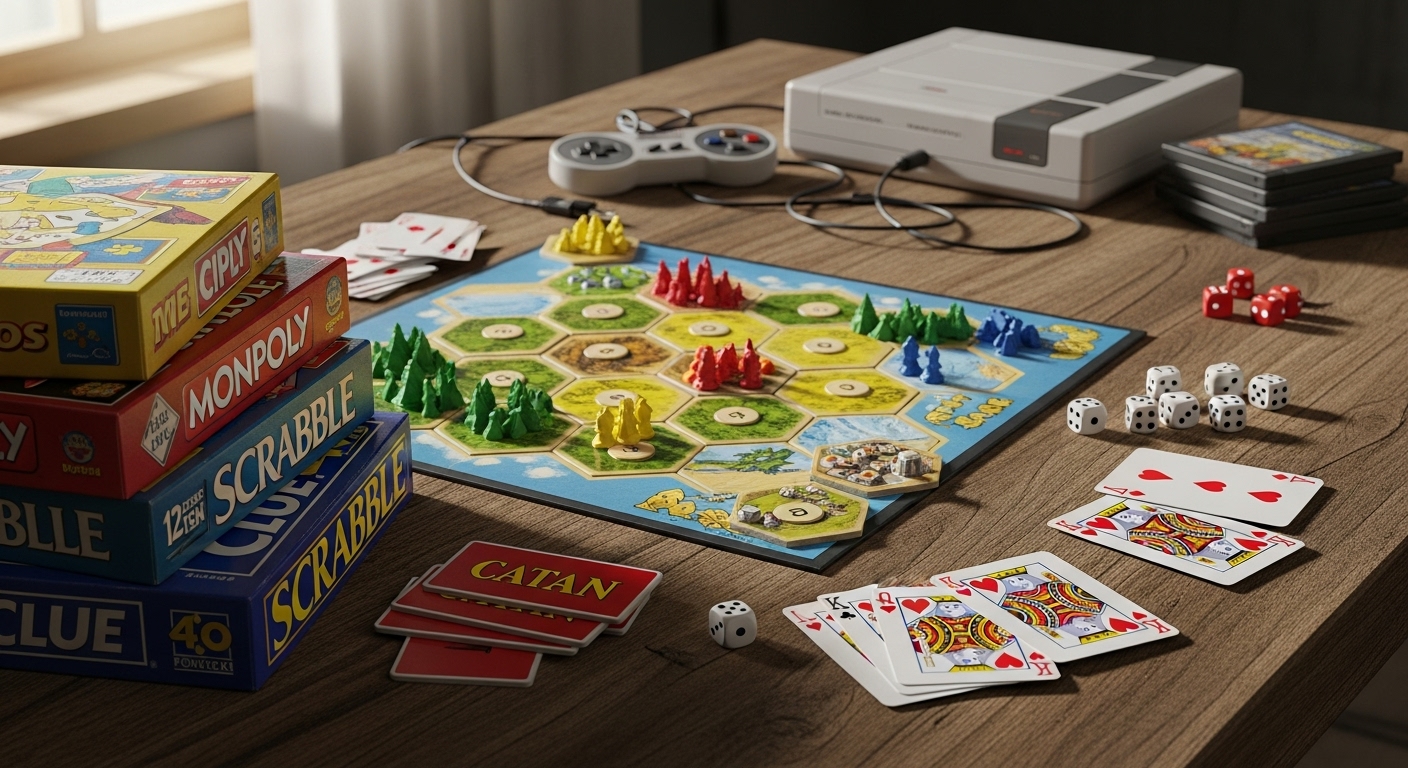
The industrial revolution brought about profound changes in leisure activities. With more people working in cities and enjoying shorter work hours, entertainment became a major part of social life. Parlor games, card games, and physical sports flourished. Games like Monopoly, Chess, and Scrabble emerged as household staples, combining education with fun.
Then came the twentieth century—a time that changed gaming forever. The invention of electricity and computers gave birth to digital gaming. The 1950s and 60s saw the creation of some of the earliest computer-based games, such as Tennis for Two and Spacewar. These primitive but groundbreaking innovations paved the way for the birth of the video game industry.
The Golden Age of Video Games
The 1970s and 1980s marked the golden age of gaming. Arcades became cultural landmarks where players competed for high scores on classics like Pac-Man, Space Invaders, and Donkey Kong. These games introduced fast-paced challenges, colorful visuals, and the thrill of competition that defined an entire generation.
Home consoles soon followed, bringing gaming into living rooms around the world. Companies like Atari and Nintendo revolutionized entertainment with systems that offered a wide variety of experiences. Games such as Super Mario Bros., The Legend of Zelda, and Sonic the Hedgehog became iconic symbols of this era. These titles were more than just digital diversions; they sparked creativity, inspired imagination, and taught millions about perseverance through play.
The Rise of Online and Multiplayer Games
The 1990s and early 2000s brought an extraordinary transformation: the internet. For the first time, players could connect and compete with others from across the globe. Online gaming gave rise to new communities, friendships, and a new culture of teamwork and communication. Titles like Counter-Strike, World of Warcraft, and Runescape became virtual playgrounds where millions interacted, strategized, and formed social bonds that often extended beyond the screen.
This era also marked the rise of competitive gaming, which evolved into what we now know as esports. Games such as League of Legends, Dota 2, and Fortnite transformed video gaming into a professional sport, complete with global tournaments, massive prize pools, and millions of fans. Competitive gaming became a legitimate career path, showcasing that games could be more than a pastime—they could be a profession.
The Evolution of Mobile Gaming
While consoles and PCs dominated the gaming industry for decades, the rise of smartphones introduced a new revolution. Mobile gaming made play accessible to almost everyone. Titles like Angry Birds, Candy Crush, and Clash of Clans redefined casual gaming, appealing to people of all ages.
Mobile games became a global phenomenon because of their accessibility and convenience. No longer confined to gaming consoles, anyone could play during a break, on the commute, or at home. This accessibility has created one of the largest gaming markets in the world, where billions of people now participate in gaming culture daily.
Moreover, mobile games introduced new business models such as free-to-play experiences supported by in-game purchases. This shift changed how developers approached design, emphasizing player engagement and continuous updates rather than one-time purchases.
The Psychology of Gaming: More Than Just Fun
Behind the enjoyment of gaming lies complex psychology. Games fulfill fundamental human needs: achievement, exploration, creativity, and social connection. Players often experience a sense of purpose as they overcome challenges, level up, and complete missions. This feeling of progression is a key reason games can be so engaging and satisfying.
Cognitive scientists have found that gaming can improve various mental skills. Strategy games enhance problem-solving and decision-making abilities. Puzzle games improve memory and concentration, while multiplayer games develop communication and teamwork. Even action games have been shown to boost hand-eye coordination and reaction speed.
However, the psychological impact of gaming also has its darker side. Excessive play can lead to issues such as addiction, social withdrawal, and disrupted sleep patterns. The challenge lies in moderation—using gaming as a tool for relaxation, learning, and connection without allowing it to dominate daily life.
Gaming as a Cultural and Social Force
Games are not just entertainment; they are cultural expressions. They tell stories, explore social themes, and reflect real-world issues. Titles such as The Last of Us, Red Dead Redemption, and Journey show how games can be emotionally moving and thought-provoking works of art.
Gaming also serves as a social bridge. Online communities, streaming platforms, and multiplayer games allow people from diverse backgrounds to come together and share experiences. Many people who might never meet in real life form lasting friendships through games. The sense of belonging in gaming communities can be incredibly powerful, providing emotional support and shared joy.
In recent years, games have also been used for educational and humanitarian purposes. Educational games help students learn mathematics, history, and science through interactive play. Serious games train professionals in medicine, military strategy, and business management. Even global charities use games to raise awareness and funds for social causes, proving that games can have a meaningful impact on society.
The Role of Technology in the Future of Gaming
As technology continues to advance, gaming evolves with it. Virtual Reality (VR) and Augmented Reality (AR) are changing how we experience games. With VR, players can step inside a digital world and interact as if they were truly there. AR, on the other hand, merges the digital with the physical, bringing games into real-world environments.
Artificial Intelligence (AI) is also revolutionizing game design. Intelligent systems now create realistic behaviors, adaptive challenges, and personalized experiences for players. Cloud gaming allows users to play high-quality games without powerful hardware, streaming directly from the internet. This innovation is making gaming more inclusive and affordable for everyone.
Moreover, the development of blockchain and digital ownership is creating new forms of play, where players can truly own in-game assets and participate in decentralized economies. These technologies are shaping the next era of gaming—one that is more immersive, connected, and player-driven than ever before.
The Economic Impact of Games
The global gaming industry has become one of the largest entertainment markets in the world, surpassing music and film combined. It drives innovation, creates millions of jobs, and influences other industries like fashion, education, and technology. Game design, streaming, voice acting, and esports commentary have all emerged as thriving careers.
Furthermore, gaming contributes significantly to technological development. The demand for better graphics, faster processing, and immersive experiences pushes advancements in computer science, artificial intelligence, and digital art. The creative and technical collaboration behind games has turned the industry into a major driver of innovation.
Games and Human Connection
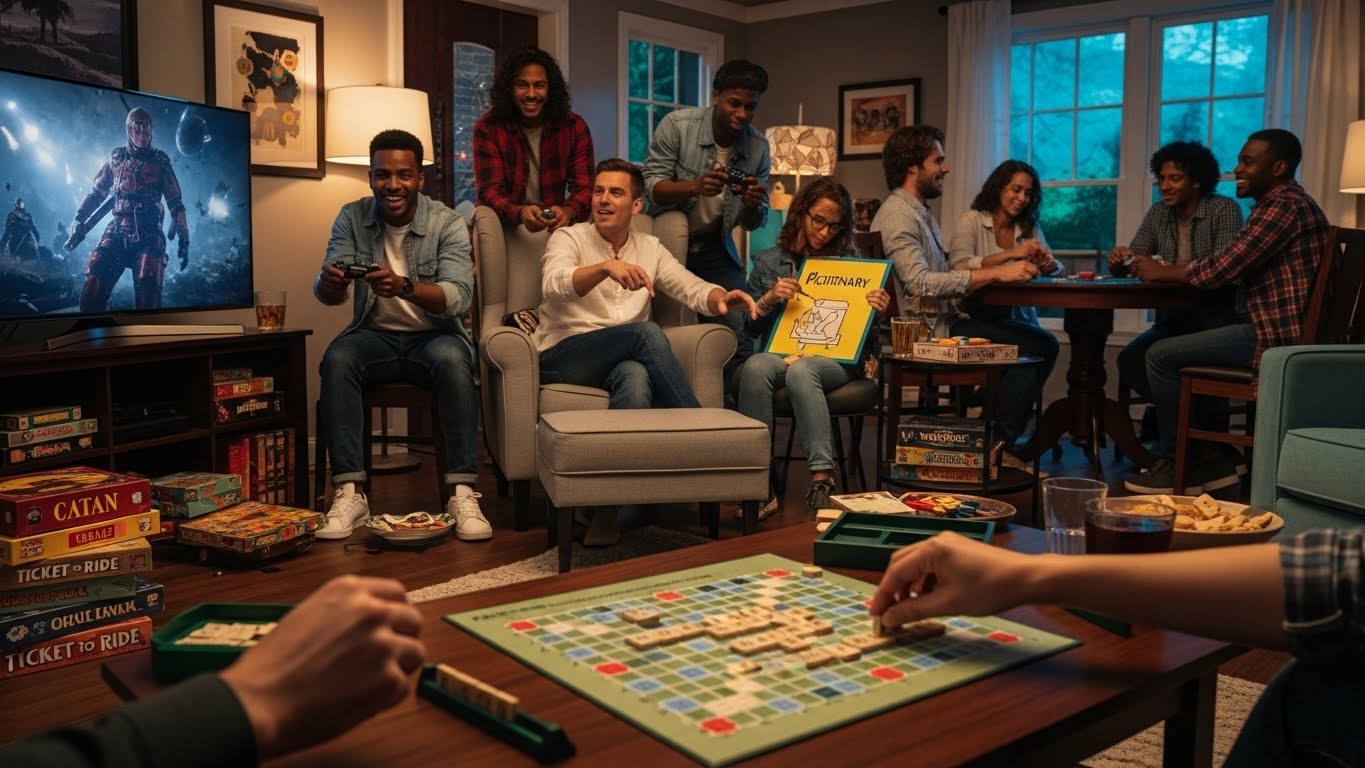
At its core, gaming is about connection—between people, ideas, and experiences. Families play together to bond, friends meet online to collaborate, and communities form around shared passion. Games create spaces where imagination thrives and boundaries disappear.
In multiplayer settings, teamwork teaches communication, trust, and empathy. Cooperative gaming experiences often foster real friendships and even teach valuable life lessons about resilience and patience. During times of isolation, such as the global pandemic, gaming became a social lifeline for millions, offering comfort and companionship.
The Future Vision: Gaming as a Way of Life
The future of gaming is not just technological—it’s philosophical. Games are evolving into tools for creativity, learning, and social change. They are shaping how we work, interact, and even how we understand ourselves.
In education, gamification is being used to make learning more engaging and effective. In healthcare, games are used for therapy, physical rehabilitation, and mental well-being. In art and storytelling, they continue to push the boundaries of imagination.
We are entering an era where gaming is not confined to a screen but integrated into daily life. As technology continues to merge with creativity, the potential of games to inspire, teach, and unite will only grow stronger.
Conclusion: The Infinite Game of Life
From the stone carvings of ancient civilizations to the digital masterpieces of today, games have always been an essential part of human evolution. They teach us about ourselves, connect us to others, and offer endless possibilities for expression and discovery.
The story of gaming is, in many ways, the story of humanity—a journey of imagination, innovation, and interaction. As the line between the virtual and real worlds continues to blur, one truth remains constant: games are not just something we play; they are something we live.
In the end, every game, whether on a board, a field, or a screen, reminds us of the simple joy of play—and how through play, we discover what it truly means to be human.