Introduction: The Power of Play
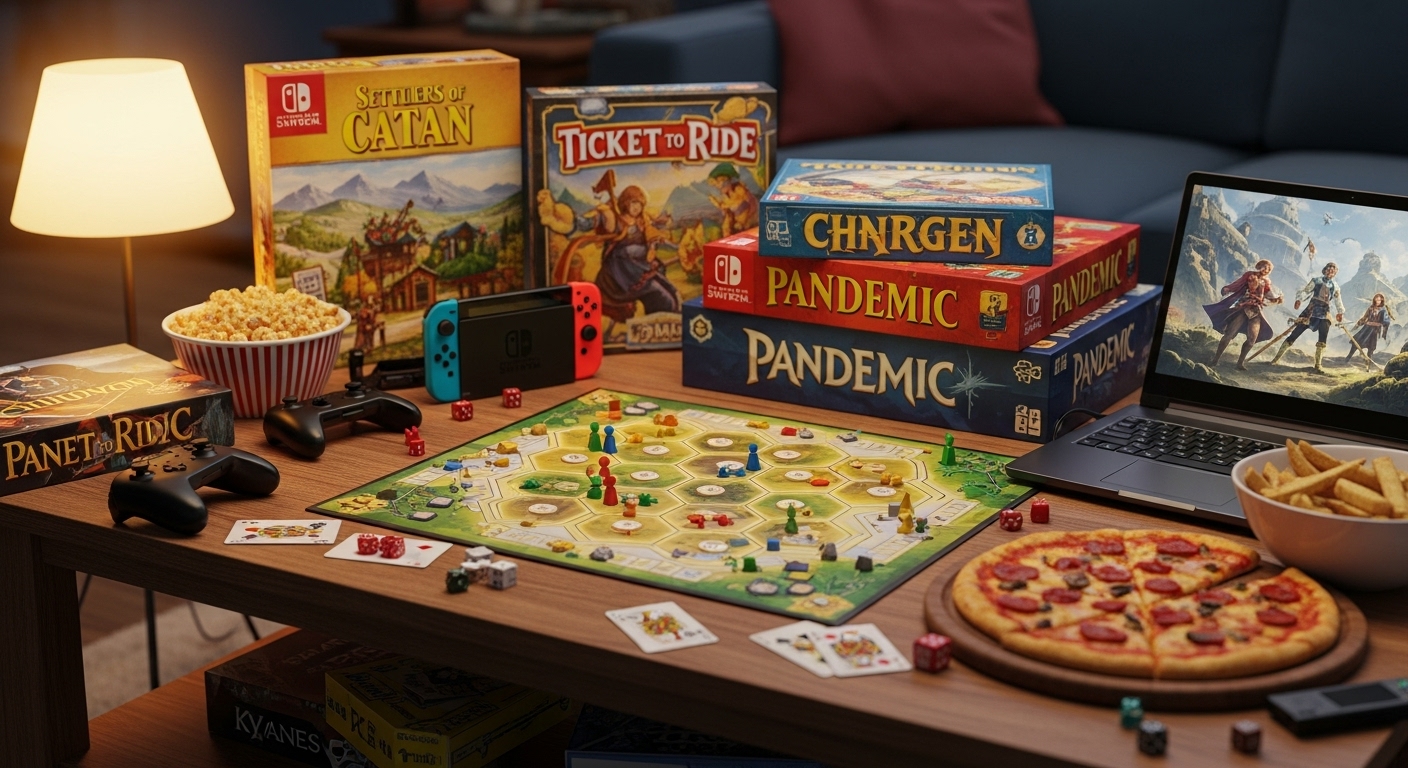
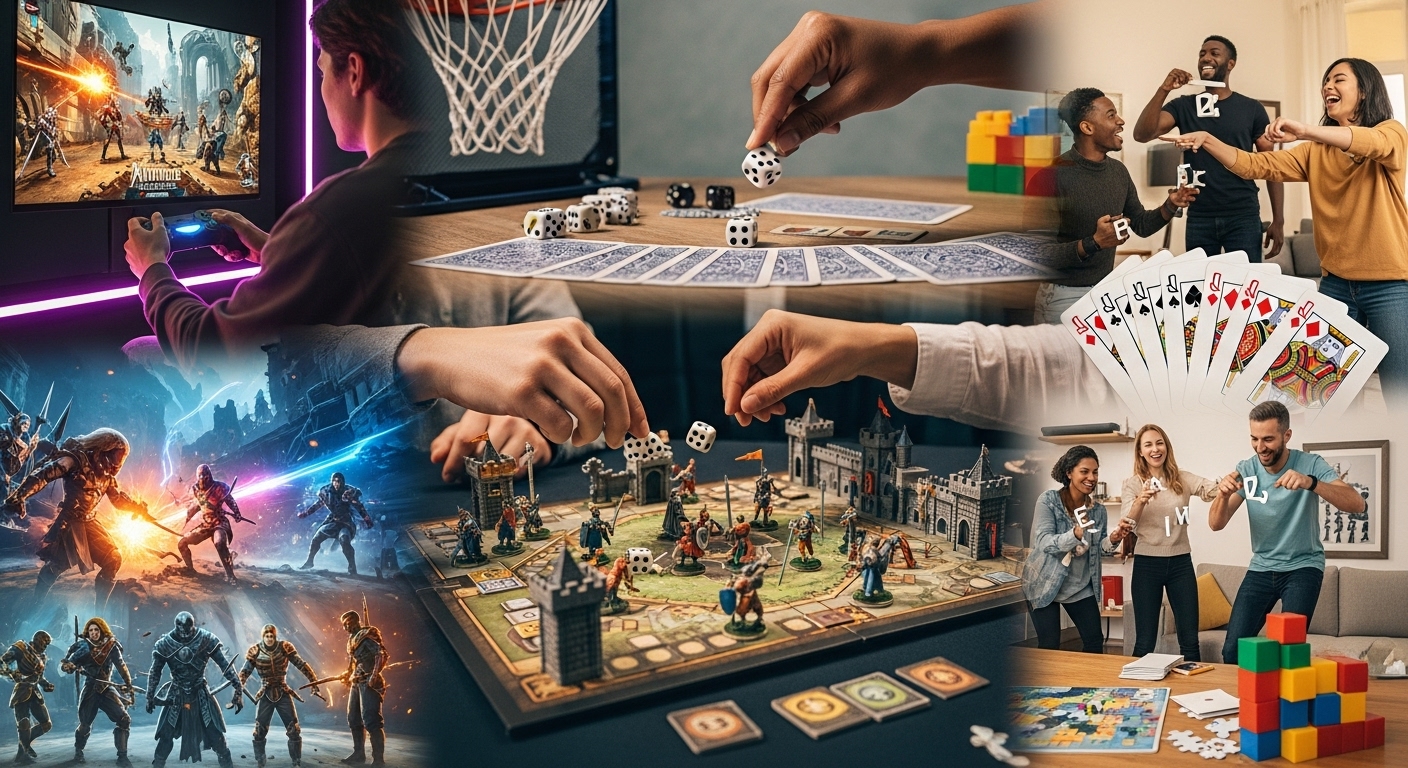
Games have been a fundamental part of human life for thousands of years. From ancient board games played on carved stone tablets to today’s immersive video games and online multiplayer experiences, games entertain, challenge, and inspire. They are more than just pastimes; they teach strategy, creativity, teamwork, and problem-solving. Across cultures and generations, games have provided ways to connect, compete, and express ourselves. In this blog, we will explore the evolution of games, their role in personal development, social interaction, economic impact, and how technology is reshaping the way we play.
The Evolution of Games
Games are as old as civilization itself. Archaeologists have discovered evidence of ancient games such as Senet in Egypt and Go in China, which served both entertainment and educational purposes. These early games tested strategy, patience, and critical thinking.
The Middle Ages saw the rise of chess, checkers, and other board games in Europe, often used to develop strategic thinking and mental agility. Card games became popular for both recreation and socialization, forming the basis of countless modern gaming traditions.
With the invention of computers and video games in the 20th century, games transitioned into the digital realm. Arcade games of the 1970s and 1980s introduced interactive entertainment, while home consoles brought gaming into living rooms worldwide. Today, games are a global phenomenon, ranging from casual mobile apps to massive multiplayer online role-playing games and competitive esports tournaments.
The Role of Games in Personal Development
Games are not only fun; they are powerful tools for learning and personal growth.
Cognitive Skills: Many games require critical thinking, problem-solving, and strategic planning. Puzzle games, strategy-based board games, and complex video games challenge the brain, improving memory, concentration, and decision-making skills.
Creativity: Games like sandbox video games allow players to build, design, and explore imaginative worlds. This freedom fosters creativity and innovation, encouraging players to experiment with new ideas and solutions.
Social Skills: Multiplayer and team-based games teach communication, collaboration, and conflict resolution. Players must coordinate strategies, share resources, and adapt to dynamic situations, skills that are transferable to real-world environments.
Emotional Development: Games also teach patience, resilience, and coping with failure. Losing a match or failing a level encourages players to reflect, adapt, and try again, instilling perseverance and self-discipline.
Games as a Cultural Phenomenon
Games reflect the culture and values of the societies in which they are created. Traditional games often incorporate folklore, history, and local customs, serving as cultural artifacts passed down through generations.
Video games, in particular, have become a cultural force. Titles such as role-playing games and story-driven adventures offer immersive narratives, exploring themes such as heroism, morality, and human emotion. These games resonate with players worldwide, often creating fan communities that discuss, analyze, and expand upon the storylines.
Additionally, games influence fashion, music, and art. Cosplay, fan art, and streaming culture have emerged from the popularity of gaming, blending entertainment with creative expression. Gaming conventions and tournaments serve as cultural gatherings, celebrating creativity, technology, and community.
The Social Impact of Games
Games play a vital role in socialization and community building. Online multiplayer games connect players across the globe, creating friendships and shared experiences. Team-based competitions encourage cooperation, communication, and mutual support.
Board games and tabletop role-playing games continue to foster social interaction in person. They bring families, friends, and communities together, strengthening bonds and providing shared enjoyment. Gaming cafes, clubs, and local leagues create physical spaces for players to gather, interact, and compete.
Games also serve as tools for inclusivity and accessibility. Adaptive games for players with disabilities allow participation in ways previously unavailable. Games that are designed to be accessible across ages, cultures, and skill levels promote engagement, equality, and shared enjoyment.
Economic Impact of Games
The gaming industry has become a significant contributor to the global economy. Video games, mobile apps, board games, and esports generate billions of dollars annually. Professional gaming tournaments, streaming platforms, and in-game purchases have created entirely new revenue streams and career paths.
Game development drives technological innovation, creating jobs for programmers, designers, artists, writers, and marketers. Mobile gaming has opened opportunities for casual players to engage with games and generate income through content creation, streaming, and competitive play.
Esports, in particular, has grown into a multi-billion-dollar industry. Professional players, teams, and sponsors benefit from sponsorships, advertising, and broadcasting rights, while fans enjoy high-quality entertainment and engagement. Games have become not only a source of personal enjoyment but also a major economic driver in modern society.
Technology and the Evolution of Gaming
Technology continues to redefine the gaming experience. Graphics, artificial intelligence, virtual reality, and augmented reality have created more immersive and realistic worlds. Games can now simulate entire cities, historical events, and even outer space, offering experiences that blend entertainment with education and exploration.
Cloud gaming allows players to stream games without high-end hardware, making gaming more accessible. Artificial intelligence enhances gameplay by adapting challenges to individual skill levels and providing realistic interactions. Mobile devices and tablets enable gaming on the go, while motion sensors, haptic feedback, and VR headsets make experiences increasingly interactive and lifelike.
Streaming and social platforms have also transformed how players interact with games. Audiences can watch live gameplay, learn strategies, and connect with other fans, creating communities that extend beyond the game itself. Technology ensures that gaming is more than just play; it is a shared and evolving cultural experience.
Games in Education and Learning
Educational games have become a vital tool for learning and development. Gamification techniques incorporate elements of gaming into education, making learning interactive, engaging, and rewarding.
Games can teach subjects ranging from mathematics and science to history and language. Simulation games allow students to explore real-world scenarios, such as running a business, managing resources, or navigating historical events. This hands-on approach improves comprehension, critical thinking, and retention.
Beyond academics, games also teach life skills such as decision-making, teamwork, and time management. Gamified education creates an environment where students can learn through trial and error, collaboration, and experimentation, making knowledge acquisition a dynamic and enjoyable process.
Competitive Gaming and Esports
Esports represents the professionalization of gaming. Competitive gaming tournaments draw millions of spectators and offer substantial prize money, sponsorships, and career opportunities. Titles such as League of Legends, Dota 2, and Fortnite have created global esports ecosystems with professional leagues, teams, and events.
Esports requires the same discipline, practice, and strategy as traditional sports. Professional players spend hours training, analyzing gameplay, and improving their skills. The growth of esports has legitimized gaming as a profession, creating opportunities for players, coaches, commentators, and analysts. Esports also fosters community, collaboration, and cross-cultural interaction among fans and players worldwide.
The Psychological Benefits of Gaming
Gaming offers numerous psychological benefits when approached responsibly. It can reduce stress, improve focus, and enhance problem-solving skills. Strategic games challenge the brain, promoting cognitive development, while creative games encourage imagination and innovation.
Social games provide emotional support and a sense of belonging. Multiplayer experiences allow players to collaborate, compete, and celebrate achievements together, fostering a sense of community. In addition, games can offer therapeutic value for mental health, providing distraction, motivation, and a safe space for emotional expression.
Challenges and Responsibilities in Gaming
While gaming offers numerous benefits, it also comes with challenges. Excessive play can lead to addiction, social isolation, and health issues. Responsible gaming practices, such as setting time limits, balancing play with other activities, and monitoring content, are essential for maintaining a healthy relationship with games.
Developers and platforms have a responsibility to create safe, fair, and inclusive gaming environments. Age-appropriate content, parental controls, and anti-cheating measures ensure that gaming remains enjoyable and secure for all participants. Awareness campaigns and educational resources help players recognize risks and practice moderation.
The Future of Gaming
The future of gaming is incredibly promising. Advances in artificial intelligence, virtual reality, and cloud computing will create more immersive, intelligent, and accessible experiences. Games will continue to blend education, entertainment, and social interaction, offering personalized experiences that cater to diverse audiences.
Integration with augmented reality and wearable devices may transform physical spaces into interactive playgrounds, blending real-world experiences with virtual challenges. Esports and streaming will continue to grow, creating new opportunities for professional players, content creators, and audiences.
The rise of cross-platform play, adaptive accessibility, and inclusive design will ensure that gaming remains a universal form of entertainment, connecting people across age, culture, and ability.
Conclusion: Games as a Reflection of Humanity
Games are far more than mere entertainment. They challenge our minds, foster creativity, encourage social interaction, and reflect cultural values. From ancient board games to modern video games and esports, play has always been a tool for learning, connection, and personal growth.
The gaming industry continues to evolve, driven by technology, creativity, and community. It influences culture, drives economic growth, and provides countless opportunities for engagement, expression, and social connection. Ultimately, games reflect the human spirit: our desire to explore, compete, learn, and connect. They remind us that play is not just a pastime but a vital part of life, shaping who we are and how we interact with the world around us.