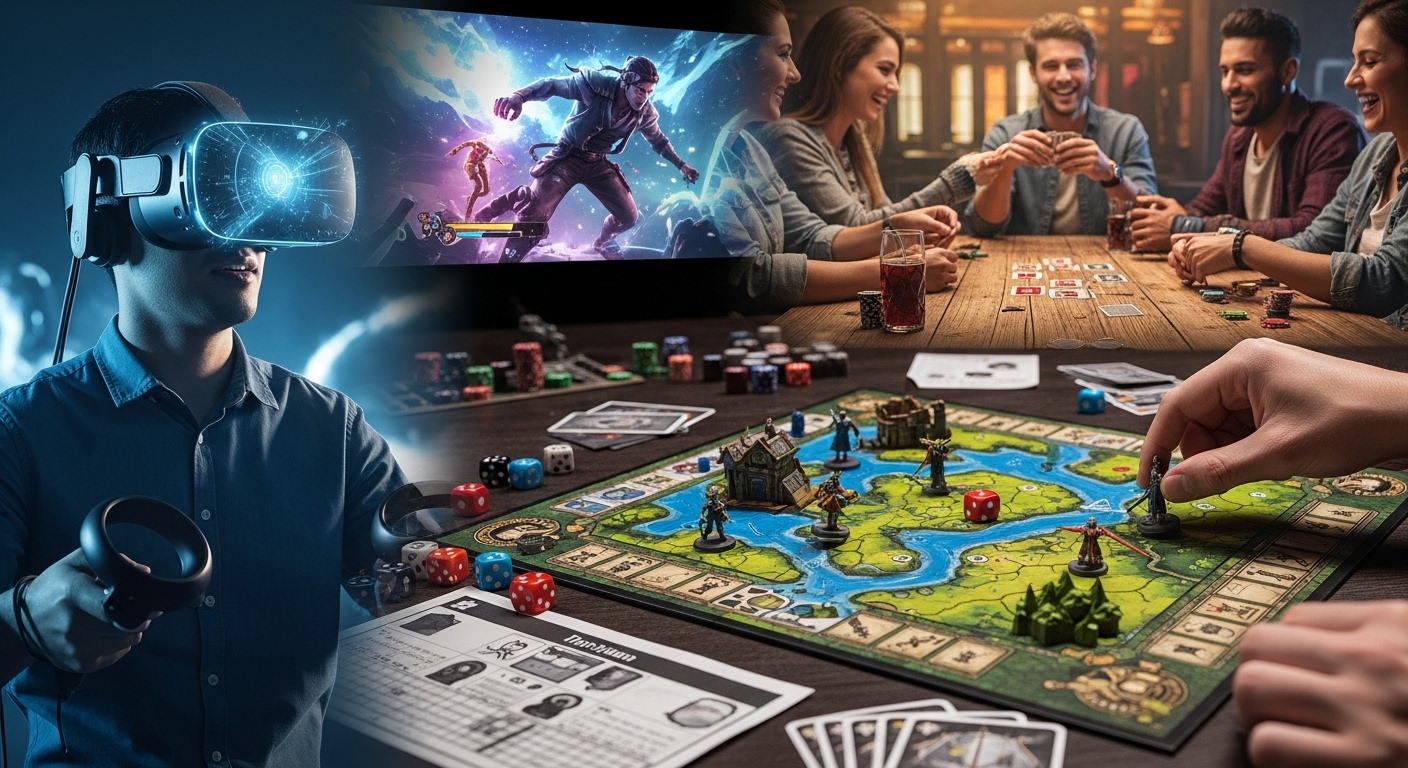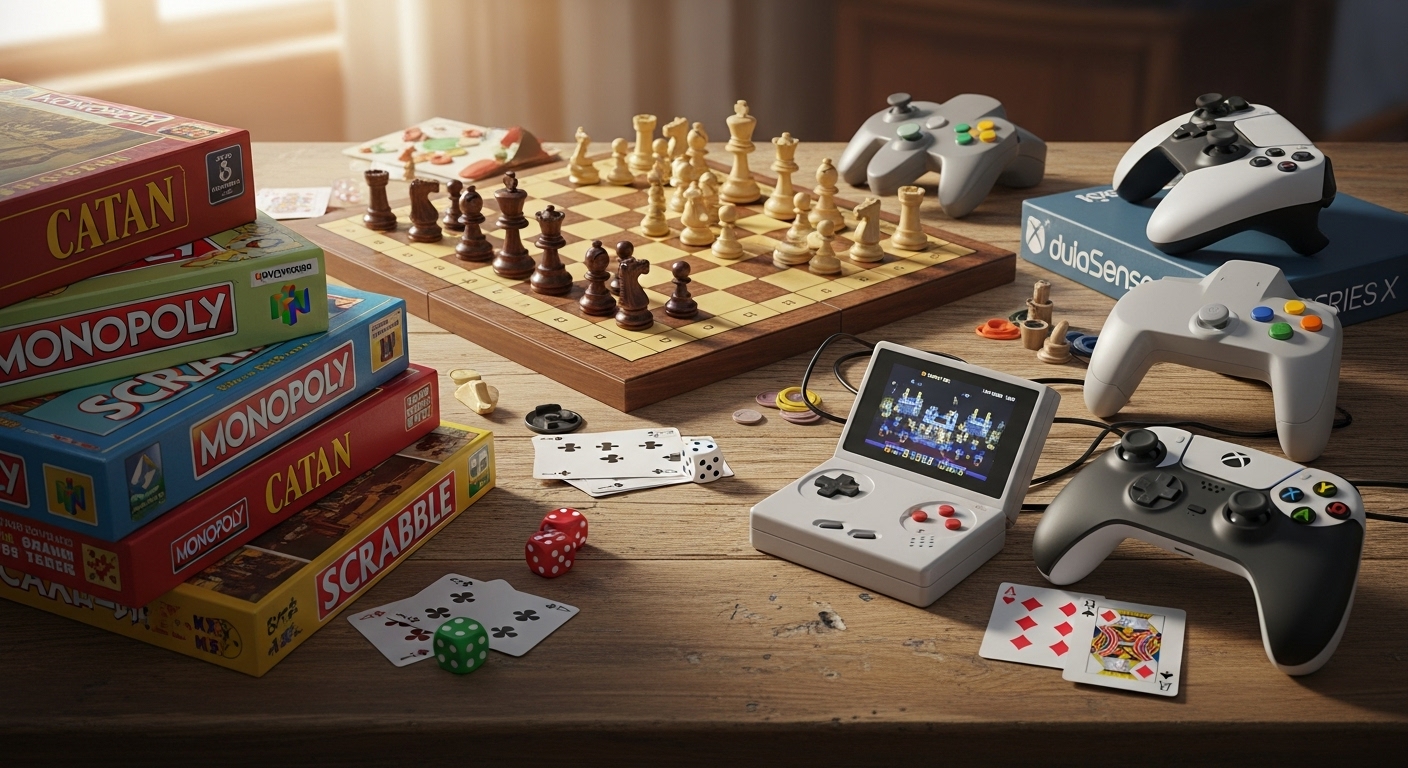
Games have been an integral part of human society for centuries. From ancient board games to modern video games, they serve as a form of entertainment, a method of learning, and a way to connect with others. The gaming landscape has evolved dramatically over time, blending technology, creativity, and storytelling to create immersive experiences that appeal to millions of players worldwide. Today, games are not just pastimes; they are cultural phenomena, competitive arenas, and even educational tools.
This blog explores the evolution of games, the types of games that dominate modern entertainment, the impact of gaming culture, and the future of interactive play.
The Evolution of Games
The history of games is rich and diverse, reflecting changes in society, technology, and human creativity. Early civilizations developed board games, card games, and physical contests to entertain, educate, and promote social interaction. Games like chess, Go, and Senet challenged players to develop strategy and critical thinking, while outdoor games encouraged physical activity and teamwork.
With the advent of technology, games transformed into digital experiences. The first video games in the 1970s and 1980s were simple in design but sparked a new era of interactive entertainment. Consoles and personal computers allowed games to reach broader audiences, introducing complex mechanics, storytelling, and social connectivity. Today, gaming is a global industry worth billions, encompassing a wide variety of platforms, genres, and audiences.
Video Games: The Core of Modern Gaming
Video games have become the dominant form of interactive entertainment. They offer immersive experiences, compelling narratives, and opportunities for social interaction.
Console Gaming
Console gaming has long been a staple of the industry. Devices like PlayStation, Xbox, and Nintendo Switch provide high-quality graphics, engaging gameplay, and a family-friendly environment. Console games range from single-player adventures to multiplayer online experiences, catering to a wide spectrum of players.
PC Gaming
PC gaming offers versatility and performance advantages, attracting players who value customization, competitive gameplay, and cutting-edge graphics. From strategy games and role-playing adventures to first-person shooters, PC gaming supports a vast ecosystem of genres and communities. Online multiplayer platforms enable players to connect globally, fostering competitive scenes and social engagement.
Mobile Gaming
The rise of smartphones has revolutionized gaming accessibility. Mobile games allow players to engage anywhere, offering quick, convenient experiences. From casual puzzle games to complex strategy titles, mobile gaming has expanded the audience and introduced new business models such as free-to-play with in-game purchases.
Popular Game Genres
Games come in a variety of genres, each appealing to different tastes, skills, and interests.
Action and Adventure Games
Action games emphasize fast-paced gameplay, reflexes, and coordination. Adventure games focus on exploration, storytelling, and problem-solving. Many modern games combine both elements, creating rich, cinematic experiences that captivate players for hours.
Role-Playing Games
Role-playing games (RPGs) allow players to assume characters, make decisions that influence outcomes, and engage with complex narratives. These games emphasize immersion, character development, and strategic thinking, often featuring expansive worlds and detailed lore.
Strategy Games
Strategy games challenge players to plan, adapt, and make calculated decisions. They range from real-time strategy to turn-based gameplay, encouraging critical thinking, resource management, and teamwork. Competitive strategy games have spawned global tournaments and eSports communities.
Simulation and Sandbox Games
Simulation games mimic real-world activities, from city-building and life management to farming and sports. Sandbox games provide open-ended environments where players create, explore, and interact freely. Both genres appeal to creativity and problem-solving skills.
Puzzle and Casual Games
Casual games and puzzles focus on accessible, often relaxing gameplay. They are designed for short sessions but can also provide deep cognitive challenges. These games have become increasingly popular on mobile platforms and social networks.
The Rise of Competitive Gaming and eSports
Competitive gaming, or eSports, has transformed games into spectator entertainment. Players and teams compete professionally in games like League of Legends, Dota 2, Counter-Strike, and Fortnite, attracting millions of viewers worldwide.
Tournaments and Championships
Major tournaments feature large prize pools, professional teams, and global audiences. Events are broadcast on streaming platforms, creating a spectator experience similar to traditional sports. These competitions generate excitement, fan engagement, and a sense of community.
Professional Gaming Careers
Top players can earn significant income through tournament winnings, sponsorships, and streaming. Teams provide coaching, analytics, and support, creating professional environments akin to traditional sports organizations. The rise of eSports demonstrates that gaming can be both entertainment and a viable career path.
Streaming and Content Creation
Streaming platforms allow gamers to share gameplay live with audiences, creating entertainment beyond traditional play. Popular streamers combine skill, personality, and interaction to engage viewers, building communities and influencing gaming culture.
Social Impact of Gaming
Games are not just entertainment; they influence culture, education, and social interaction.
Community and Socialization
Many games provide opportunities for social interaction, from cooperative gameplay to online guilds and communities. Players can build friendships, collaborate on objectives, and engage in global communities, creating a sense of belonging and shared experiences.
Education and Skill Development
Games often enhance cognitive skills, including problem-solving, strategic thinking, and decision-making. Educational games promote learning in areas such as math, science, and history, while simulation games allow players to practice management, planning, and creativity in virtual environments.
Cultural Influence
Games shape popular culture, influencing music, art, fashion, and storytelling. Iconic characters, narratives, and game worlds become cultural touchstones, inspiring creative works and fostering shared experiences across generations.
Technology Driving Modern Gaming
Technology has been central to the evolution of games, expanding possibilities and enhancing experiences.
Graphics and Audio
Advances in graphics and audio have transformed games into immersive, cinematic experiences. Realistic visuals, detailed environments, and dynamic soundtracks create deep engagement and emotional impact.
Artificial Intelligence
AI enables smarter opponents, adaptive challenges, and personalized experiences. Intelligent design allows games to respond to player behavior, increasing difficulty, realism, and replayability.
Virtual and Augmented Reality
VR and AR provide fully immersive experiences, allowing players to explore environments in three dimensions and interact naturally with game elements. These technologies create new forms of gaming that merge physical and digital worlds.
Cloud Gaming
Cloud technology enables gaming without high-end hardware, allowing players to stream games directly to devices. This accessibility expands the audience and makes high-quality gaming experiences available to more people worldwide.
The Future of Gaming
The gaming industry continues to evolve, driven by innovation, technology, and audience demand.
Personalized Experiences
Games are increasingly using data and AI to provide tailored experiences. Personalized content, adaptive difficulty, and customized interfaces enhance engagement and satisfaction.
Cross-Platform Play
Cross-platform gaming allows players on different devices to interact seamlessly, creating inclusive communities and expanding multiplayer possibilities.
Gamification Beyond Entertainment
The principles of gaming are being applied in education, fitness, and business to create interactive, motivating experiences. Gamification integrates challenges, rewards, and engagement into various aspects of daily life.
Emerging Technologies
Advances in VR, AR, AI, and haptic feedback will continue to transform gameplay, offering more immersive, interactive, and realistic experiences. These technologies will redefine what it means to play and experience games.
Conclusion
Games have evolved from simple pastimes to a powerful cultural and entertainment medium. They offer engagement, social interaction, skill development, and immersive experiences that appeal to diverse audiences worldwide. From video games and mobile apps to eSports, virtual reality, and gamified experiences, games have transformed how people play, compete, and connect.
As technology continues to advance and audiences seek more personalized, interactive experiences, the world of games will expand even further, shaping entertainment, education, and culture for years to come. Gaming is no longer just a hobby; it is a global phenomenon that influences society, creativity, and human connection in profound ways.