Introduction to the World of Games
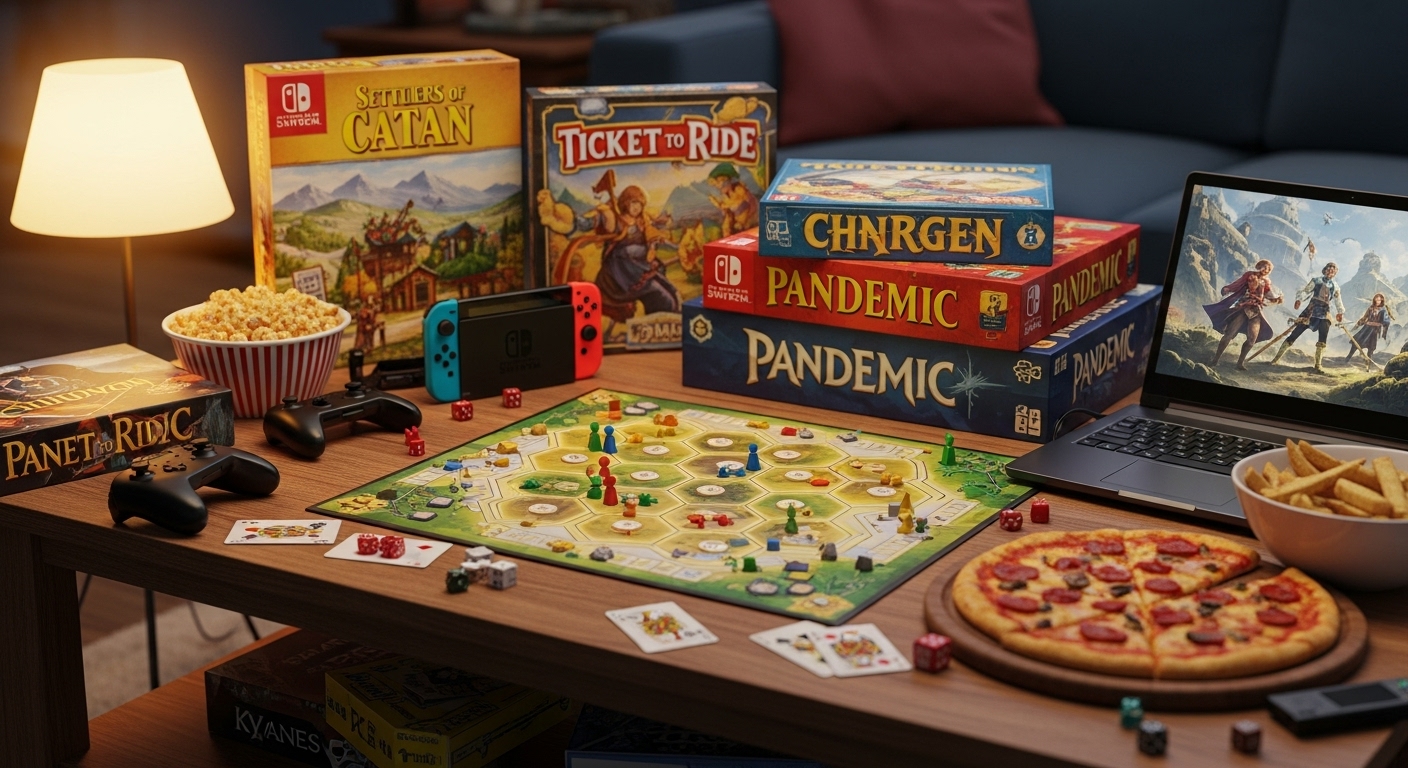
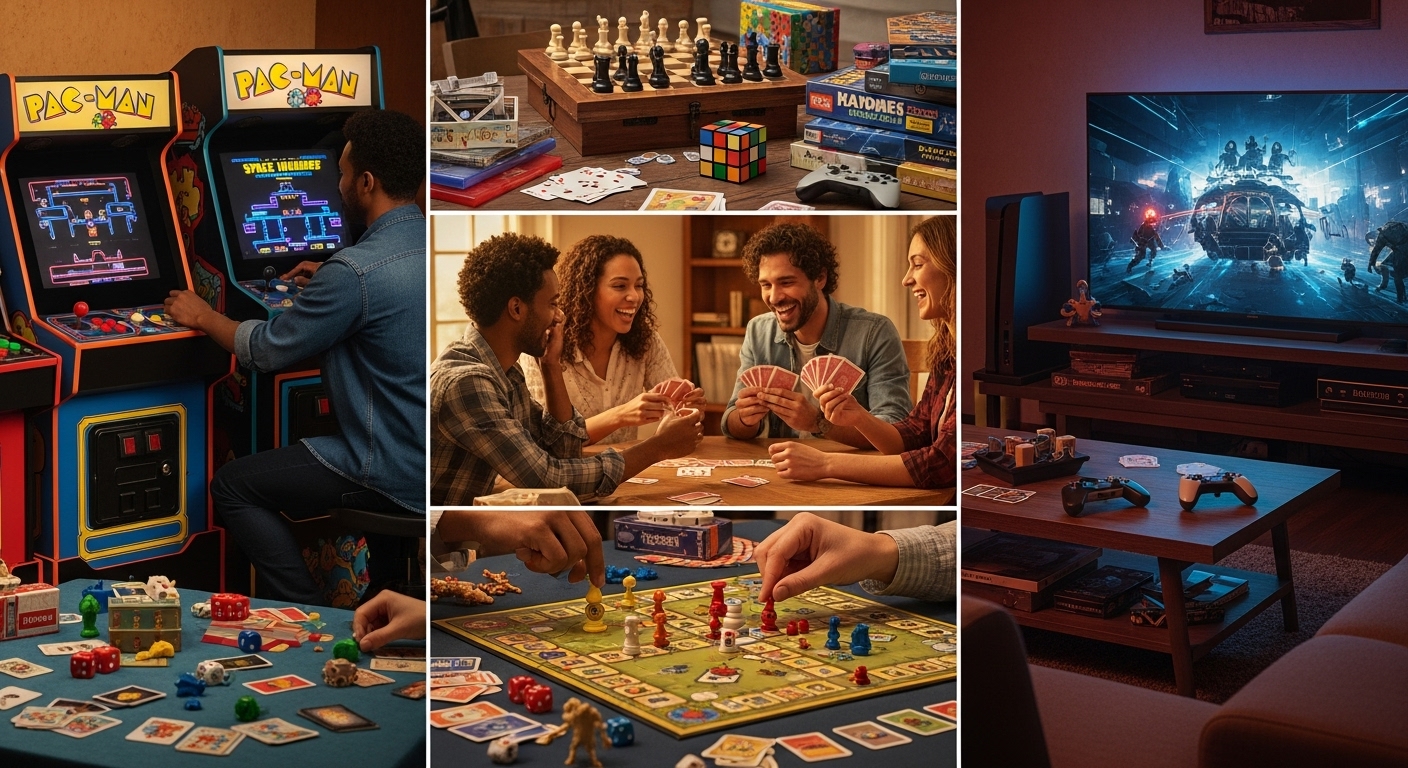
Games have been an integral part of human civilization for millennia. They have evolved from simple forms of entertainment to complex systems that shape cultures, challenge minds, and connect people across the globe. Whether through physical play, mental challenges, or digital experiences, games are universal. They transcend borders, age groups, and even technology, offering a powerful and adaptable way for people to engage with one another.
At their core, games are about enjoyment, interaction, and skill. Over time, they have transformed to meet the changing needs and desires of society. From ancient games of strategy to the immersive virtual worlds of today, games have become far more than just pastimes—they have become cultural milestones.
The Ancient Origins of Games
Games date back to ancient civilizations, where they were not only used for entertainment but also as tools for teaching and socialization. Some of the earliest known games were board games such as Senet from Egypt and the Royal Game of Ur from Mesopotamia, which date back more than 5,000 years. These games often had symbolic meanings and were connected to religious or societal rituals.
Chess, one of the most well-known games, originated in India around the 6th century and spread to Persia and then to Europe. It became a game of strategy, intellect, and war, reflecting the military tactics of the time. In many ancient cultures, games were used to train warriors and rulers in strategic thinking.
Alongside board games, people also engaged in physical games and sports. The ancient Greeks, for example, celebrated athletic prowess through the Olympic Games, which continue to be a global symbol of human achievement. Physical games such as wrestling, running, and javelin throwing not only tested strength and skill but also held societal importance in terms of honor and status.
The Rise of Modern Games: From Board to Console
As technology advanced, so did the nature of games. The 19th and early 20th centuries saw the development of card games, which became widely popular around the world. Poker, bridge, and rummy became staples of social interaction, teaching probability, strategy, and social skills.
The mid-20th century brought the first wave of video games, starting with arcade games such as “Pong” in the early 1970s. These early video games were simple yet revolutionary, utilizing pixel-based graphics and electronic interfaces to create interactive experiences. This marked the beginning of a new era of gaming, one that would eventually lead to the development of personal computers and home gaming consoles.
In the 1980s and 1990s, video games became increasingly sophisticated. The introduction of home consoles like the Nintendo Entertainment System (NES) and Sega Genesis brought gaming into homes across the world. Iconic games such as “Super Mario Bros.,” “The Legend of Zelda,” and “Sonic the Hedgehog” revolutionized the gaming industry and established gaming as a serious form of entertainment.
The Digital Transformation: Online Gaming and the Internet
The internet had a profound effect on gaming, turning it into a social experience that could span across the globe. Online gaming began to emerge in the late 1990s with the rise of multiplayer games. One of the first and most influential games was “EverQuest,” a massively multiplayer online role-playing game (MMORPG) that allowed players to immerse themselves in virtual worlds alongside thousands of others.
By the early 2000s, online gaming exploded in popularity. Games like “World of Warcraft” and “Counter-Strike” helped to establish a global gaming community, where players could compete or cooperate in real-time, no matter where they were in the world. The evolution of high-speed internet and the growth of online gaming platforms allowed millions to connect through gaming, creating a new form of social interaction.
The rise of social media and platforms such as Twitch also helped to popularize gaming. Gamers could now share their experiences live with global audiences, building a new generation of content creators and viewers. Streaming has made gaming a spectator sport, with professional esports tournaments attracting millions of viewers worldwide.
The Role of Mobile Gaming in the Modern Era
In the 21st century, mobile gaming became a dominant force. The introduction of smartphones changed the way people engaged with games, offering accessibility and convenience like never before. Mobile games, which are easily downloadable and playable on devices such as smartphones and tablets, have expanded the reach of gaming to all demographics.
From puzzle games like “Candy Crush” to action-packed titles like “Clash of Clans,” mobile gaming appeals to people of all ages. The accessibility of mobile games has turned gaming into a casual activity that anyone can enjoy during short breaks, while also fostering a new level of engagement for more hardcore gamers.
Mobile gaming also introduced the concept of freemium models, where players can download games for free but are offered in-app purchases or ads. This business model has allowed small developers to create highly profitable games, while also making gaming more accessible to players on a budget.
The Psychological Appeal of Games
What makes games so universally appealing? One of the key reasons is that they tap into fundamental aspects of human psychology. Games are designed to be engaging, providing challenges and rewards that stimulate the brain.
Playing games often triggers the release of dopamine, the brain’s “feel-good” chemical, which is associated with pleasure, motivation, and reward. This is why completing a challenging task, earning a new level, or winning a match feels so satisfying. Games provide clear goals and feedback, allowing players to measure their progress and enjoy a sense of accomplishment.
The social aspect of gaming is another important factor. Whether through team-based games or competitive matches, gaming allows players to connect with others, either as friends or strangers. Online multiplayer games have created global communities where people can collaborate, compete, and even form lasting friendships. In some cases, gaming communities become vital social networks where people share interests and bond over shared experiences.
The Educational Value of Games
Games are not only fun—they can also be highly educational. The rise of educational games and gamified learning systems has demonstrated that games can effectively teach complex concepts.
For example, strategy games like “Civilization” encourage critical thinking and long-term planning, while puzzle games like “Portal” help to develop spatial reasoning and problem-solving skills. Games also promote creativity, as players are often required to think outside the box to overcome obstacles.
Moreover, games like “Minecraft” have become platforms for building and creating, allowing players to explore their imagination and learn basic concepts of design and architecture. Teachers have embraced games as educational tools, using them to engage students and make learning more interactive and enjoyable.
The Growth of Esports and Competitive Gaming
One of the most exciting developments in the gaming world is the rise of esports. Competitive gaming has grown into a billion-dollar industry, with professional players, teams, and sponsors. Esports tournaments attract millions of viewers, and major events such as “The International” for “Dota 2” and “League of Legends World Championship” have become as popular as traditional sports events.
Esports has provided a platform for players to make careers out of gaming. Professional gamers train rigorously, competing in tournaments for large cash prizes and recognition. These players often become celebrities in their own right, with fans following their every move on social media and live streaming platforms.
The rise of esports has also led to the development of gaming academies and scholarships, allowing aspiring players to train professionally and eventually make their way into the competitive scene. Additionally, college and university-level esports leagues have emerged, giving young gamers the chance to compete at a higher level while pursuing their education.
The Future of Gaming
As technology continues to evolve, so will the world of gaming. Virtual reality (VR) and augmented reality (AR) are expected to revolutionize the gaming experience by making it even more immersive. VR gaming, in particular, allows players to step into virtual worlds and interact with them in a way that traditional games cannot.
Artificial intelligence (AI) is also playing an increasingly important role in game development. AI can create more complex and dynamic game worlds, where non-playable characters (NPCs) react and adapt to the player’s actions in real time.
Cloud gaming is another innovation that could transform the gaming landscape. By allowing players to stream games directly from the cloud, it eliminates the need for expensive gaming hardware. This could make high-quality gaming accessible to a larger audience.
Conclusion: The Lasting Impact of Games
Games are far more than entertainment; they are cultural, psychological, and social experiences that shape how we learn, communicate, and relax. From their humble beginnings in ancient civilizations to the immersive digital worlds of today, games have been a constant part of human life. They have provided us with a way to test our limits, engage our imaginations, and connect with others.
As gaming continues to evolve, it will undoubtedly remain a vital force in entertainment, education, and society. The future of gaming promises even more innovation and creativity, as technology and human interaction continue to drive the next wave of interactive experiences. Games, in all their forms, will continue to entertain, challenge, and inspire for generations to come.