Introduction: The Universal Appeal of Games
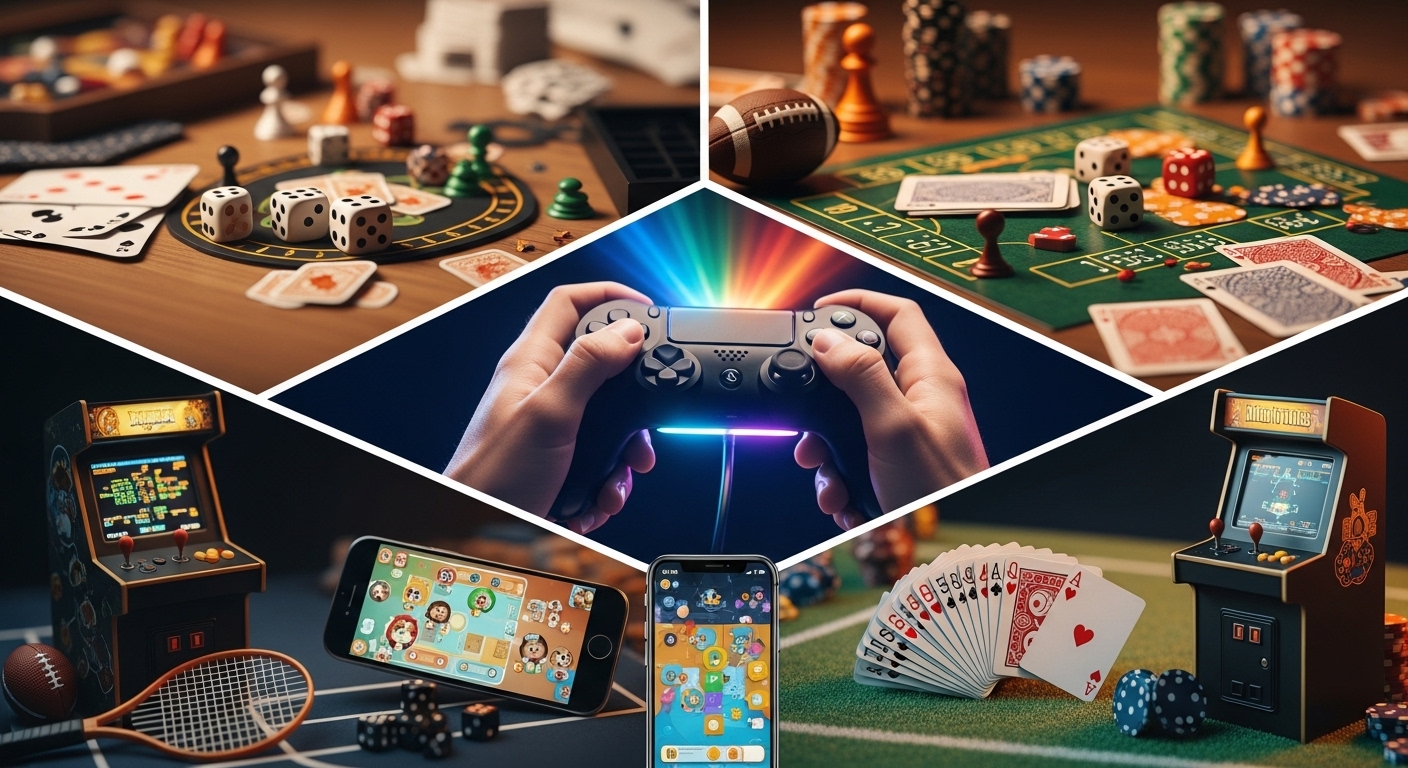
Games are woven into the fabric of human culture. From ancient rituals to modern virtual battles, the world of games has always offered a dynamic space for entertainment, competition, and social interaction. What started as simple pastimes has transformed into a multibillion-dollar industry, shaping how we spend our leisure time and even influencing the way we learn, work, and connect. Whether through physical games, intellectual puzzles, or immersive digital worlds, games offer more than just amusement—they challenge our minds, build social connections, and, in many cases, have become a lifestyle.
In this blog, we explore the evolution of games, their psychological impact, and how they continue to shape cultures and societies around the world. The world of gaming is vast, and its reach goes far beyond mere entertainment.
The Historical Origins of Games
Games have existed in various forms for centuries, deeply embedded in the cultures of ancient civilizations. Archaeological evidence suggests that early humans used games for both entertainment and education. Games like dice, board games, and early sports were often a part of societal rituals, teaching valuable skills such as strategy, teamwork, and coordination.
The earliest known board game, Senet, was played in ancient Egypt as early as 3100 BCE. It was believed to have religious significance, representing the journey of the soul in the afterlife. Similarly, in ancient China, the game of Go emerged over 2,500 years ago, challenging players to use strategic thinking and forward planning—skills that remain vital to this day.
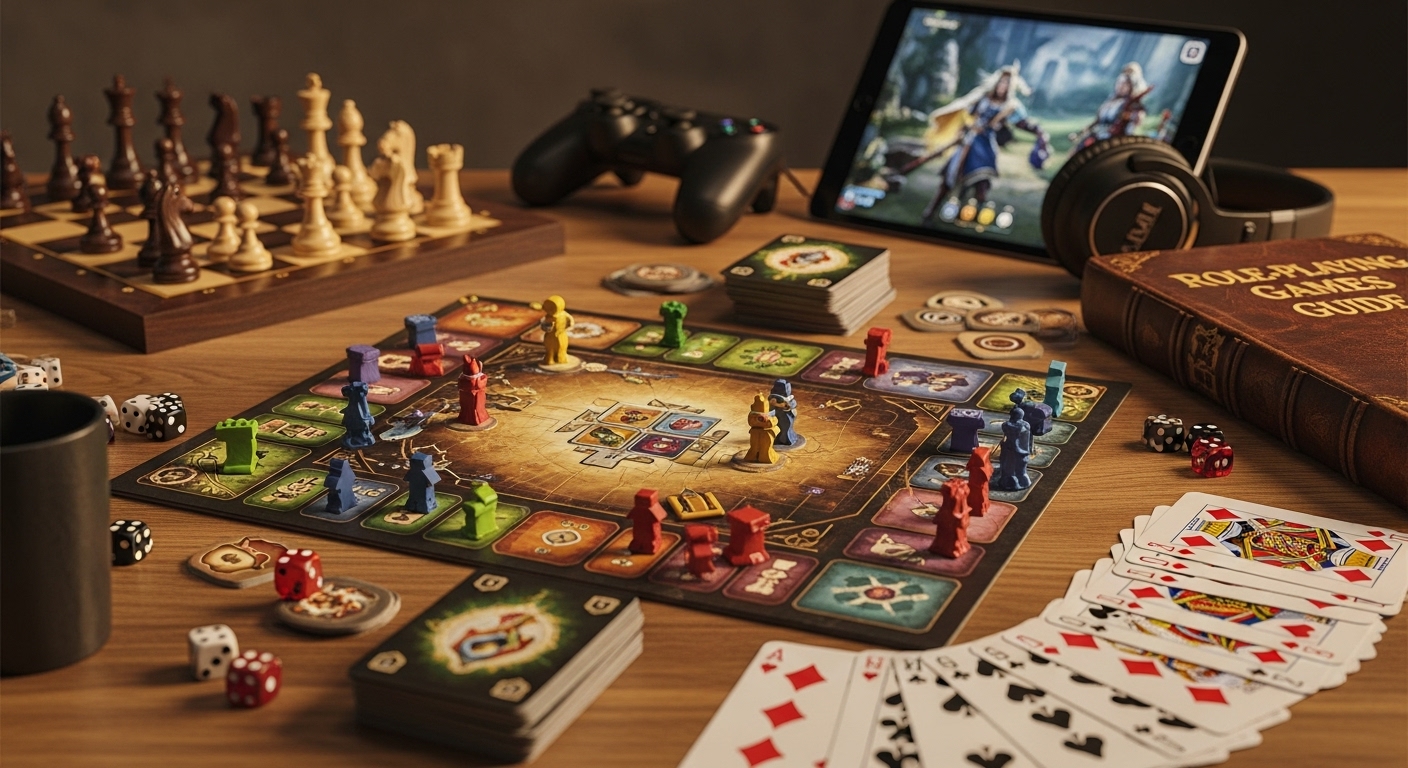
Chess, which originated in India in the 6th century, is another example of how games have evolved to reflect intellectual prowess. Over the centuries, it has become a symbol of strategy, war tactics, and personal skill, often seen as the “game of kings.”
The Golden Age of Board Games and Card Games
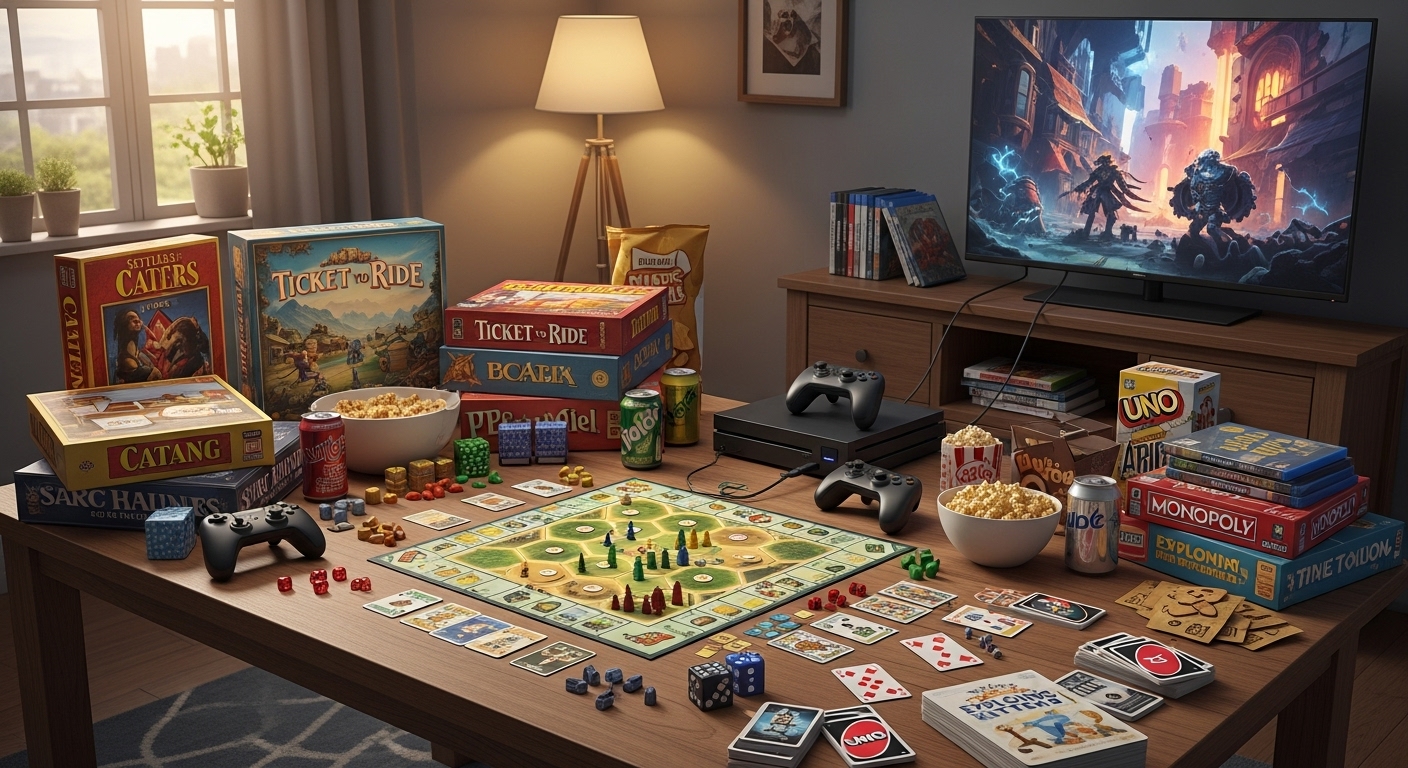
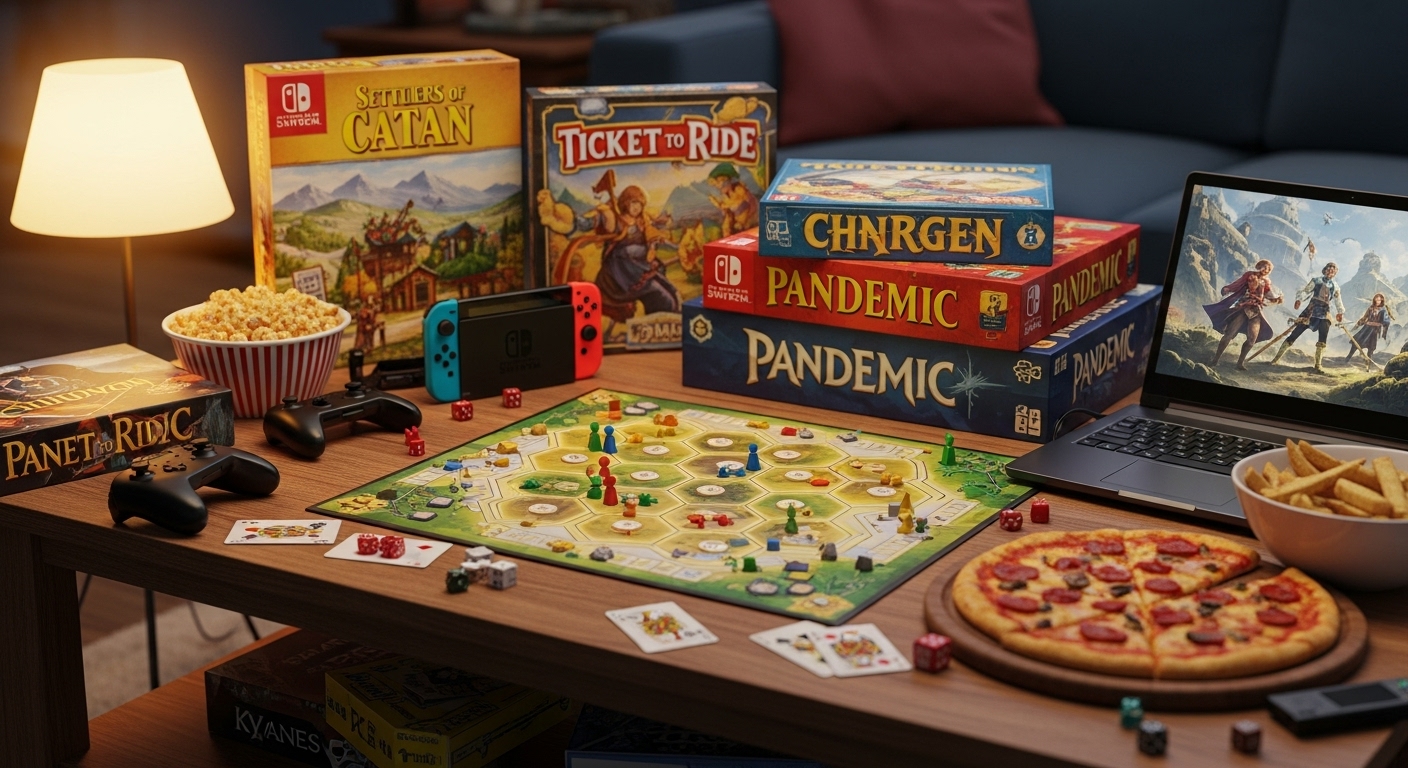
The 19th and early 20th centuries brought the popularization of various board and card games. Games such as Monopoly, Scrabble, Risk, and Poker became household staples. During this period, games were often family-oriented and played in the comfort of one’s home, fostering communication and bonding. These games provided opportunities for players to develop critical thinking skills, learn risk management, and engage in friendly competition.
Board games such as Scrabble required vocabulary and spelling skills, while games like Risk and Monopoly offered players the chance to practice strategy and decision-making. As urbanization grew and leisure time expanded, board games became a dominant form of entertainment. By the mid-20th century, the rise of television and film would shift attention away from traditional games, but they would still maintain their place in family rooms across the world.
The Digital Revolution: Video Games Enter the Scene
The real revolution in gaming began with the advent of computers and video game consoles in the late 20th century. The 1970s and 1980s marked the beginning of video games as we know them today. Iconic arcade games such as Pong, Pac-Man, and Space Invaders introduced interactive entertainment to a global audience. The simplicity of these early games captured the imaginations of millions, creating the foundation for what would become an ever-expanding digital universe of gaming.
In the early 1980s, home consoles like the Atari 2600 and Nintendo Entertainment System (NES) brought gaming to living rooms. This shift made video gaming accessible to the masses, setting the stage for the gaming industry to grow into the powerhouse it is today. Games like Super Mario Bros., The Legend of Zelda, and Tetris became cultural landmarks, influencing not just other games, but also movies, music, and fashion.
As technology continued to advance, so too did the sophistication of games. The 1990s saw the development of more complex and graphically advanced games like Doom and Quake, which introduced the world to first-person shooters (FPS) and set the stage for competitive multiplayer gaming. These games required precision, timing, and quick reflexes—skills that would be honed and tested in the years to come.
Online Gaming: Connecting the World Through Play
The turn of the millennium marked a significant shift in gaming, with the rise of online multiplayer games. The internet connected players across the globe, enabling them to join virtual worlds and compete in real-time. One of the first major online multiplayer games, EverQuest, allowed players to enter a vast, persistent virtual world and interact with others in ways never before possible.
In the early 2000s, games like World of Warcraft took online gaming to new heights. The game’s massive open world and player-driven economy allowed players to collaborate, compete, and socialize in a shared virtual universe. First-person shooters like Counter-Strike and Call of Duty also capitalized on the growing internet infrastructure, allowing players to test their reflexes and teamwork in fast-paced online battles.
Today, online gaming has become a global phenomenon, with millions of players connecting to servers in games like Fortnite, League of Legends, and Apex Legends. The rise of cloud gaming has also made gaming more accessible than ever, enabling people to stream games on devices that previously could not handle the computing power required for modern games. The democratization of gaming has opened new doors for both players and developers.
The Psychological Impact of Games
Games are not only about entertainment; they also have a significant psychological impact. The experience of playing games—whether they are physical, board-based, or digital—has been shown to improve various cognitive abilities. Strategy games like chess and Go challenge players to think several steps ahead and develop complex problem-solving strategies.
Video games, in particular, are effective at stimulating the brain in multiple ways. Studies have shown that action games improve hand-eye coordination, reaction times, and spatial awareness. Puzzle games, like Portal and Tetris, boost memory and visual-spatial skills, while role-playing games (RPGs) like The Elder Scrolls or Final Fantasy encourage creative thinking and decision-making.
Moreover, online multiplayer games foster collaboration and social interaction. Players must work as a team, developing communication and leadership skills. Social gaming platforms, such as Twitch and Discord, have created communities where players can interact and bond over shared interests.
The Role of Mobile Games in the Modern Era
The proliferation of smartphones has brought gaming to an even larger audience. Mobile gaming has become the most popular form of gaming worldwide, with millions of people playing games on their smartphones every day. Casual games such as Candy Crush Saga, Angry Birds, and Pokémon GO have attracted players from all walks of life, offering a fun and easily accessible way to pass the time.
The simplicity of mobile games has broadened the gaming demographic. Games are now designed for quick, bite-sized sessions, making them ideal for people on the go. The integration of augmented reality (AR) in games like Pokémon GO has also introduced a new dimension to gaming, allowing players to interact with their real-world environment.
While mobile games are often seen as casual entertainment, the rise of more complex games such as PUBG Mobile and Clash Royale has proven that mobile gaming can also provide depth and strategic gameplay, rivaling traditional console and PC gaming experiences.
Esports: Gaming as a Professional Career
The rise of esports has marked a major milestone in the evolution of games. Competitive gaming, where players compete in tournaments for large cash prizes, has turned gaming into a professional career for many. Esports players now train as athletes, refining their skills and competing in global competitions that attract millions of viewers.
Esports leagues, like the Overwatch League and League of Legends Championship Series, have established structured environments where players can compete for prestige and prizes. Teams of players now train and practice for hours every day, just like professional sports teams. Esports is not only a source of entertainment but has become a legitimate career path for those with the skill and determination to make it to the top.
In addition to professional gaming, content creation has become an integral part of the esports ecosystem. Streamers on platforms like Twitch and YouTube Gaming have gained massive followings, with some players earning significant income from sponsorships, advertising, and donations. The integration of gaming into mainstream media has turned it into a cultural powerhouse.
The Future of Gaming: Virtual Reality and Beyond
The future of gaming is incredibly exciting, with new technologies like virtual reality (VR) and augmented reality (AR) on the horizon. VR gaming, in particular, offers an immersive experience that blurs the line between the physical and virtual worlds. With devices like the Oculus Rift and HTC Vive, players can now step into digital worlds and interact with their environment in real time.
The next frontier in gaming is likely to involve artificial intelligence (AI), which will enable games to create dynamic, evolving environments that respond to player actions. AI could allow for more personalized gaming experiences, where each player’s journey is unique and shaped by their decisions.
Moreover, as internet speeds continue to increase, cloud gaming will become more mainstream, allowing players to access high-quality games on virtually any device, anywhere. The potential for cross-platform gaming—where players on different devices can play together—will further break down barriers in the gaming community.
Conclusion: The Enduring Power of Games
Games have come a long way since their humble beginnings, from ancient board games to the digital landscapes of today. They have remained an essential part of human culture, providing entertainment, education, and social connection. As technology continues to advance, the world of gaming will only become more immersive, innovative, and inclusive.