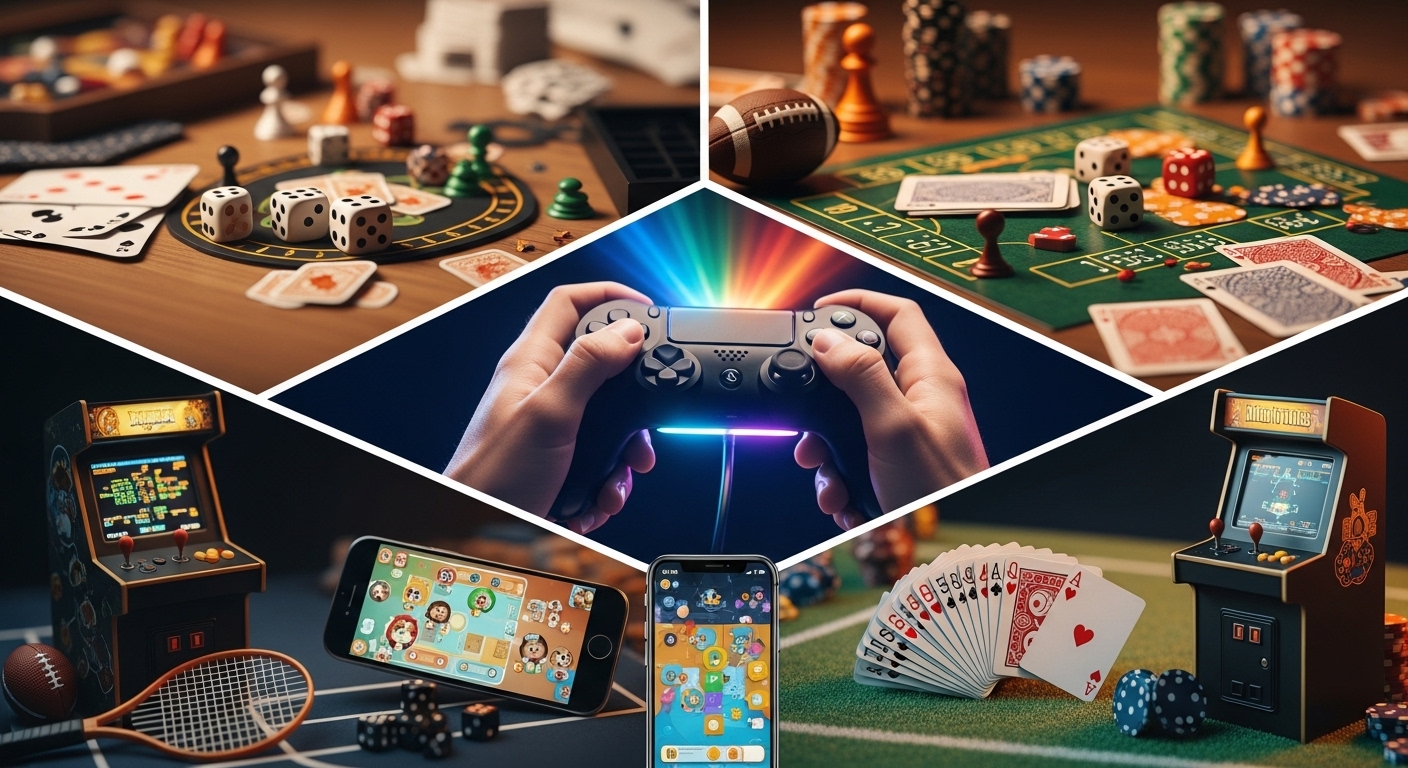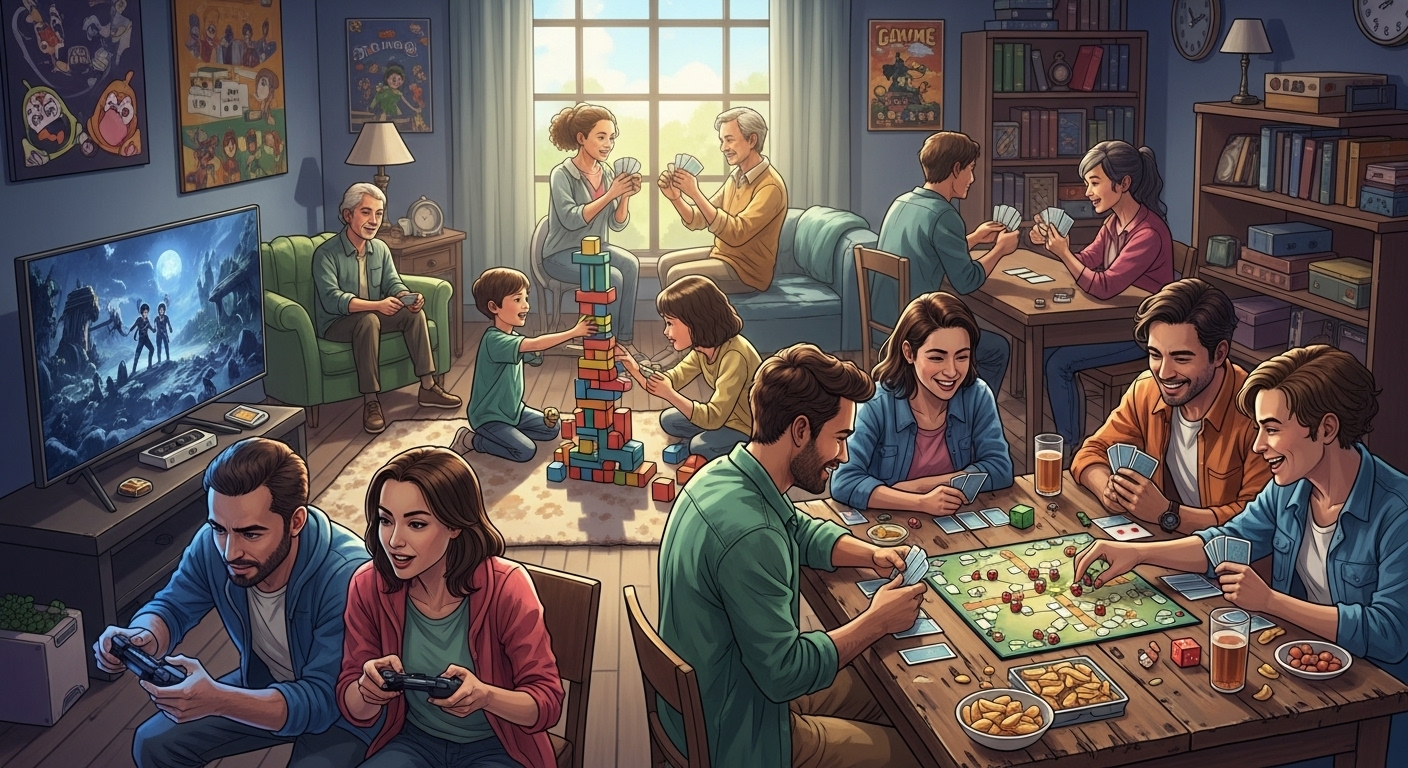
Games have been an integral part of human civilization for centuries, serving as sources of entertainment, education, and social interaction. From ancient board games and physical sports to digital video games, the concept of play has evolved alongside technology and culture. Today, games are more than just pastimes; they are immersive experiences that engage players intellectually, emotionally, and socially. The gaming industry has grown into a global phenomenon, creating communities, shaping culture, and influencing how people interact with technology.
This blog delves into the evolution of games, the various types of games, their cultural impact, technological advancements, and what the future holds for interactive entertainment.
The Evolution of Games
The history of games spans thousands of years, reflecting societal shifts and technological advancements. Early civilizations developed board games, card games, and physical competitions as methods of entertainment and social bonding. Games like chess, Go, and Mancala required strategic thinking, while sports and physical challenges encouraged teamwork and coordination.
With the invention of computers and the internet, games transitioned from physical spaces to digital realms. The first video games were simple pixelated experiences, but they ignited a revolution in interactive entertainment. Home consoles, PCs, and mobile devices have since expanded the gaming landscape, allowing millions of people to experience interactive play anytime, anywhere.
Video Games: The Heart of Modern Gaming
Video games have become the cornerstone of contemporary gaming. They combine storytelling, strategy, and interactivity to create immersive experiences.
Console Gaming
Consoles such as PlayStation, Xbox, and Nintendo Switch provide high-quality graphics, responsive controls, and a diverse range of games. Console gaming appeals to both casual and hardcore players, offering single-player adventures, multiplayer competitions, and family-friendly experiences. These devices have become entertainment hubs, connecting users to digital worlds, media, and online communities.
PC Gaming
PC gaming offers flexibility and customization, making it popular among competitive and enthusiast players. PCs allow users to upgrade hardware, install mods, and experience games with high graphical fidelity. This platform supports a variety of genres, from first-person shooters and strategy games to simulations and role-playing games, often with robust online communities.
Mobile Gaming
Smartphones have transformed gaming into an accessible, on-the-go activity. Mobile games cover a spectrum from casual puzzles to complex strategy titles, attracting a wide demographic. Free-to-play models with optional in-game purchases have made gaming more inclusive, allowing millions of new players to join the global community.
Popular Game Genres
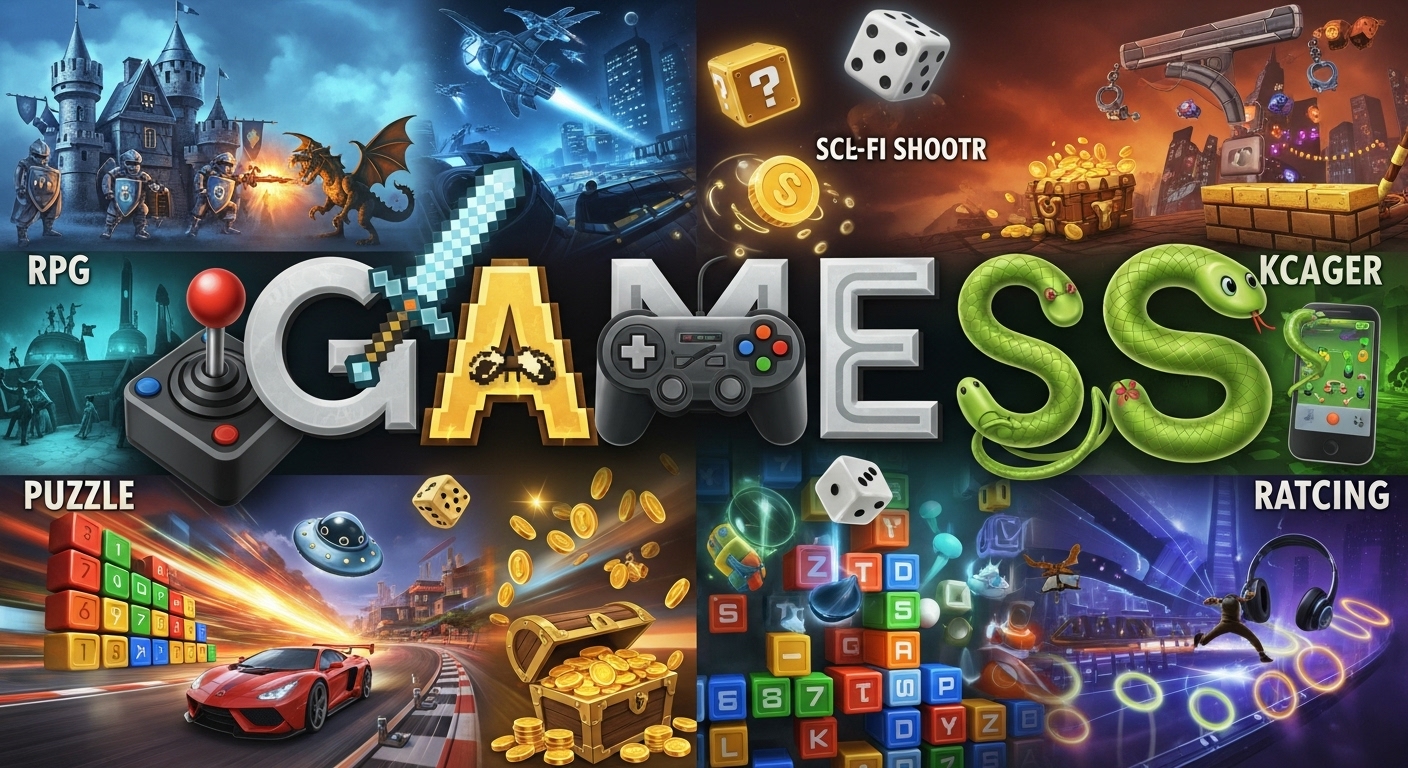
Games cater to a wide range of interests, with genres designed to challenge, entertain, and engage players in unique ways.
Action and Adventure Games
Action games test reflexes, coordination, and timing, while adventure games emphasize exploration, problem-solving, and narrative depth. Many modern titles blend these genres, creating cinematic experiences that captivate players for hours.
Role-Playing Games
Role-playing games allow players to step into characters’ shoes, make choices that affect storylines, and develop skills over time. RPGs emphasize immersive storytelling, strategic thinking, and emotional engagement, often set in expansive, richly detailed worlds.
Strategy Games
Strategy games challenge players to plan, manage resources, and make calculated decisions. Real-time and turn-based strategy games foster critical thinking and long-term planning. Competitive strategy gaming has grown into professional eSports, attracting global audiences.
Simulation and Sandbox Games
Simulation games replicate real-life activities such as city management, farming, or sports, while sandbox games allow players to explore open worlds and create freely. Both genres encourage creativity, problem-solving, and experimentation.
Casual and Puzzle Games
Casual and puzzle games focus on accessible, often relaxing gameplay. They are ideal for short sessions and mental stimulation. Popular on mobile platforms, these games engage broad audiences and encourage frequent, repeated play.
Competitive Gaming and eSports
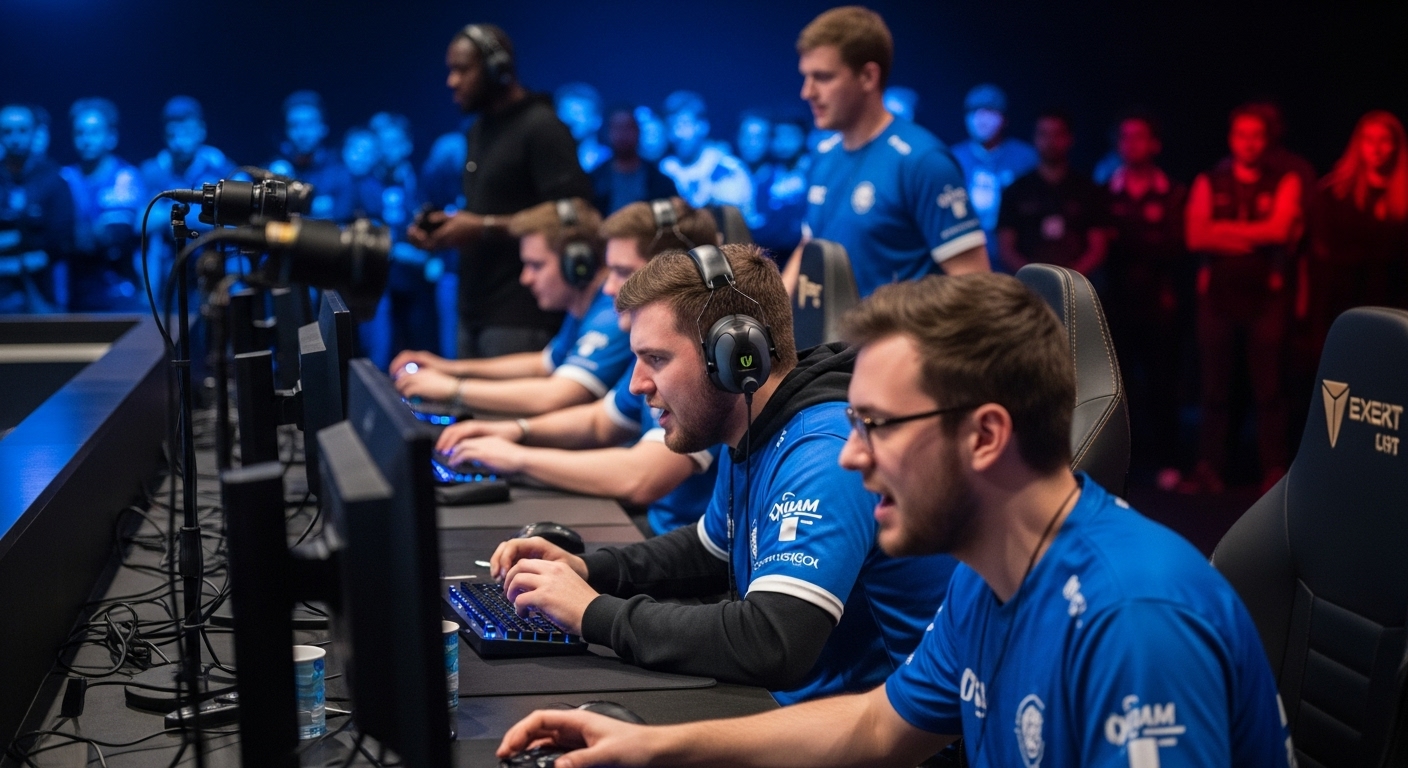
The rise of eSports has transformed gaming into a spectator sport. Players and teams compete professionally in popular games like League of Legends, Dota 2, Fortnite, and Counter-Strike, attracting millions of viewers worldwide.
Tournaments and Championships
Major tournaments feature organized competitions with international participation. These events are broadcast live, providing an experience similar to traditional sports. Fans engage with their favorite players and teams, creating excitement and community interaction.
Professional Gaming Careers
Top eSports players earn income through tournament prizes, sponsorships, and streaming revenue. Teams provide coaching, analytics, and management support, establishing a professional ecosystem for competitive gaming.
Streaming and Content Creation
Streaming platforms allow gamers to broadcast live gameplay to global audiences. Streamers entertain, educate, and engage viewers, building communities around their gameplay. Content creation has become a central aspect of gaming culture, influencing trends and inspiring new generations of players.
The Social and Cultural Impact of Games
Games influence culture, society, and human interaction far beyond entertainment.
Community and Socialization
Online multiplayer games foster collaboration, competition, and friendship. Players join guilds, teams, or clans, forming social networks and shared experiences. Games provide opportunities for socialization, teamwork, and cultural exchange.
Education and Cognitive Skills
Many games enhance cognitive abilities such as problem-solving, strategic thinking, and decision-making. Educational games provide interactive learning in subjects like mathematics, science, and history. Simulations and strategy games offer practical skills that can transfer to real-life problem-solving.
Cultural Influence
Games shape popular culture, inspiring movies, music, literature, and art. Iconic characters, immersive worlds, and narratives become shared cultural references, influencing trends and connecting audiences across generations.
Technological Innovations Driving Gaming
Technological advancements continue to redefine the gaming experience.
Graphics and Audio
Modern games use high-resolution graphics, dynamic lighting, realistic physics, and immersive sound design to create cinematic experiences. Enhanced visual and audio fidelity increases player engagement and emotional impact.
Artificial Intelligence
AI provides intelligent opponents, adaptive difficulty, and personalized gameplay. AI algorithms respond to player behavior, enhancing challenge and replayability.
Virtual Reality and Augmented Reality
VR and AR technologies create fully immersive environments, allowing players to interact naturally with digital elements. These technologies offer unique perspectives and experiences that merge physical and digital worlds.
Cloud Gaming
Cloud platforms enable high-quality games to be streamed without high-end hardware, expanding access and convenience. Cloud gaming supports cross-platform play and instant access, connecting players globally.
The Future of Gaming
The future of gaming promises innovation, inclusivity, and deeper immersion.
Personalized Experiences
Games are increasingly leveraging AI to deliver personalized gameplay tailored to individual preferences, skill levels, and interests. Customizable content and adaptive challenges enhance engagement and enjoyment.
Cross-Platform Play
Cross-platform gaming allows players on different devices to interact seamlessly, fostering inclusive communities and expanding multiplayer experiences.
Gamification Beyond Entertainment
Game mechanics are being applied to education, fitness, business, and social platforms. Gamification introduces challenges, rewards, and interactive elements to motivate and engage users in various aspects of life.
Emerging Technologies
Haptic feedback, next-generation VR/AR, AI-driven environments, and advanced graphics will redefine gaming experiences. These innovations will create more realistic, interactive, and immersive gameplay for players worldwide.
Conclusion
Games have evolved from simple recreational activities to complex, culturally significant forms of entertainment. They engage players intellectually, emotionally, and socially, offering experiences that range from casual fun to competitive eSports. From console and PC gaming to mobile apps, VR, and immersive simulations, games are shaping the way people play, interact, and connect.
As technology advances and players demand more personalized, interactive experiences, the world of games will continue to expand, influencing culture, education, and social dynamics. Gaming is no longer just a pastime; it is a global phenomenon that connects communities, inspires creativity, and defines modern entertainment.