Introduction
Games have always been a source of entertainment, learning, and social connection. From simple board games to complex video games, they provide players with a chance to challenge themselves, explore new worlds, and engage with others. In the modern era, gaming has grown into a global phenomenon, blending creativity, strategy, and technology like never before.
The History and Evolution of Games
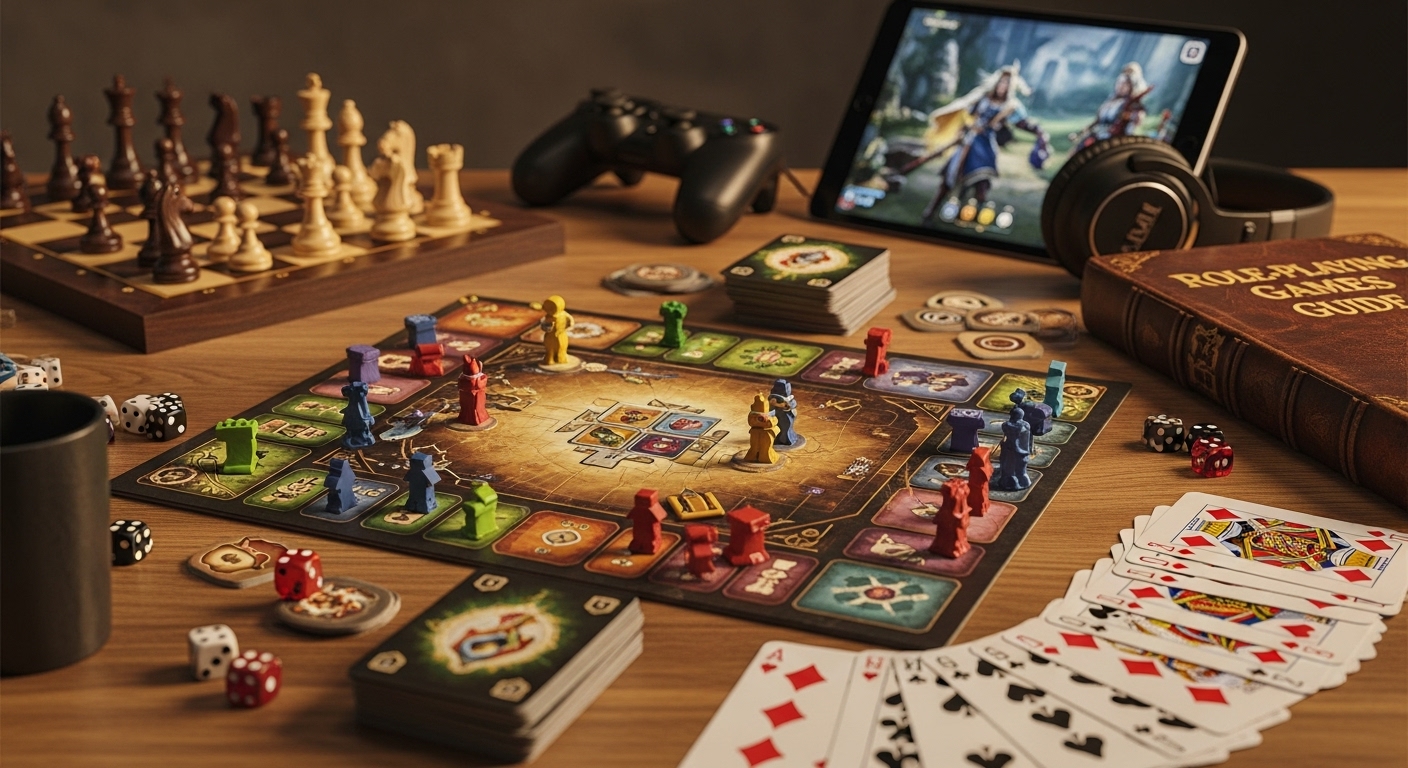
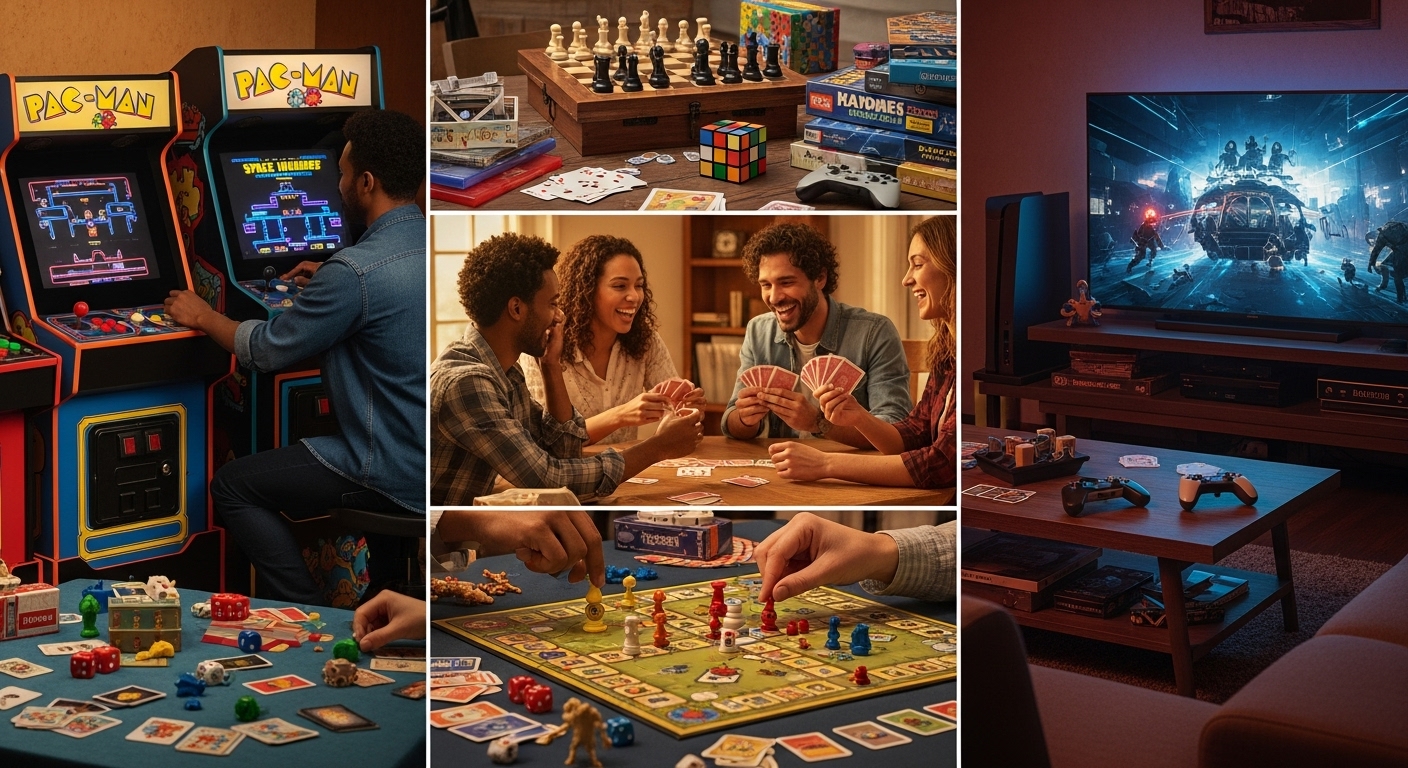
Games have existed for centuries in various forms. Traditional games like chess, checkers, and card games have long entertained people while sharpening strategic thinking. With the advent of video games in the late 20th century, gaming underwent a dramatic transformation. Consoles, personal computers, and mobile devices introduced interactive digital experiences, making gaming more immersive and accessible to a broader audience.
The Rise of Digital Gaming
Digital gaming has revolutionized the way people play. Titles like adventure games, first-person shooters, and strategy games allow players to experience new realities, develop problem-solving skills, and compete with others around the world. Online multiplayer games foster communities, encouraging teamwork, communication, and friendly competition. Streaming platforms and e-sports have further expanded the reach of gaming, making it a mainstream form of entertainment.
Games and Cognitive Development
Games are not only fun—they also enhance cognitive abilities. Strategic and puzzle games improve critical thinking, memory, and decision-making skills. Role-playing games encourage creativity and empathy, as players navigate diverse narratives and perspectives. Even competitive games develop focus, quick reflexes, and stress management, proving that gaming can have meaningful benefits beyond leisure.
Social Impact of Gaming
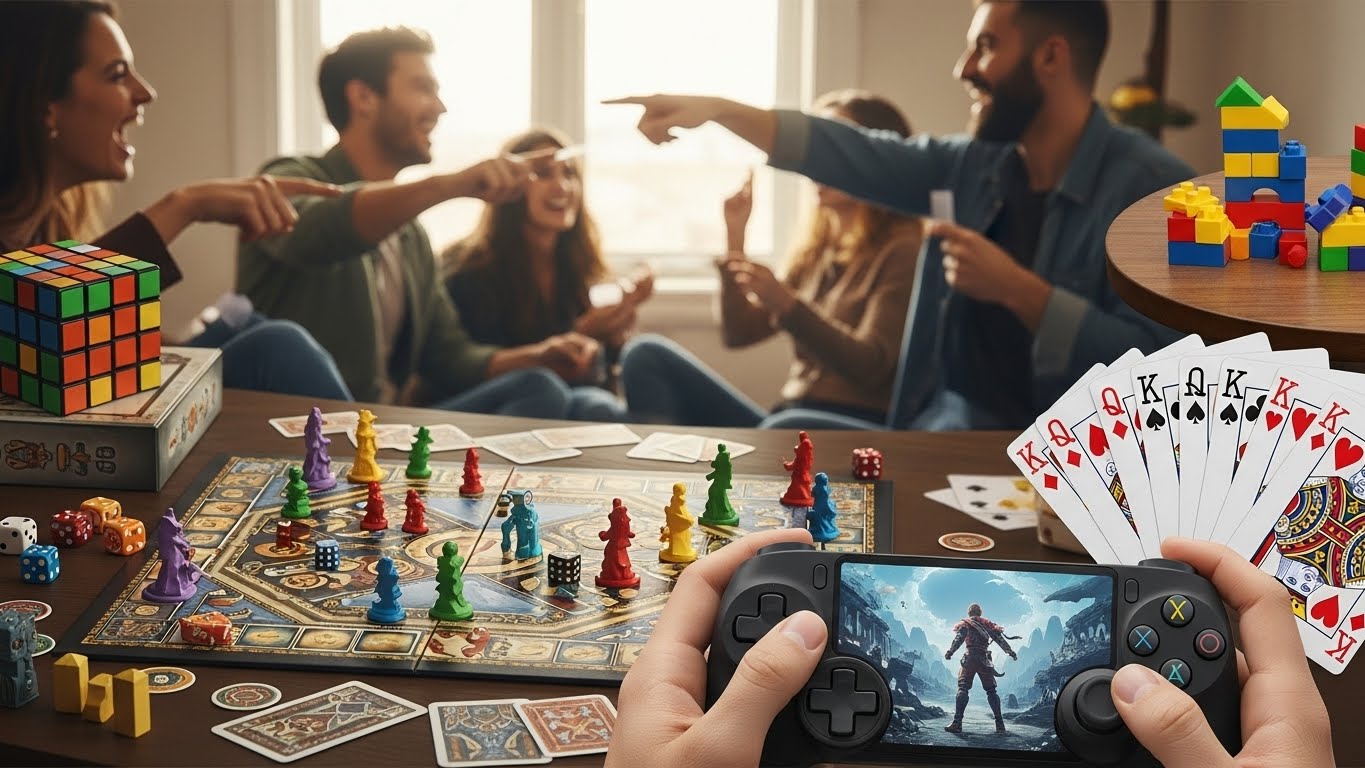
Gaming has created vibrant communities that connect players across the globe. Online multiplayer games and cooperative platforms foster collaboration, teamwork, and shared experiences. These digital communities provide a sense of belonging and encourage cultural exchange, as players from different backgrounds come together to achieve common goals. Gaming has become a social bridge, allowing friendships and collaborations that transcend geographical boundaries.
The Economic Influence of Gaming
The gaming industry is one of the fastest-growing sectors in the global economy. Game development, publishing, streaming, and e-sports generate billions of dollars annually. Careers in programming, game design, marketing, and content creation have expanded opportunities for professionals worldwide. Gaming has grown beyond entertainment into a full-fledged industry that drives innovation and employment.
The Future of Gaming
The future of gaming promises even greater innovation. Emerging technologies like virtual reality, augmented reality, and cloud gaming will provide more immersive and interactive experiences. Artificial intelligence and procedural generation are creating dynamic game worlds that adapt to players’ actions. The gaming landscape will continue to evolve, blending entertainment, education, and social interaction in unprecedented ways.
Conclusion
Games are more than just a pastime—they are a powerful tool for learning, social connection, and creative expression. As technology advances, gaming will continue to expand its influence on culture, society, and the economy. From traditional board games to cutting-edge digital experiences, gaming remains a universal form of play that inspires, challenges, and unites people around the world.