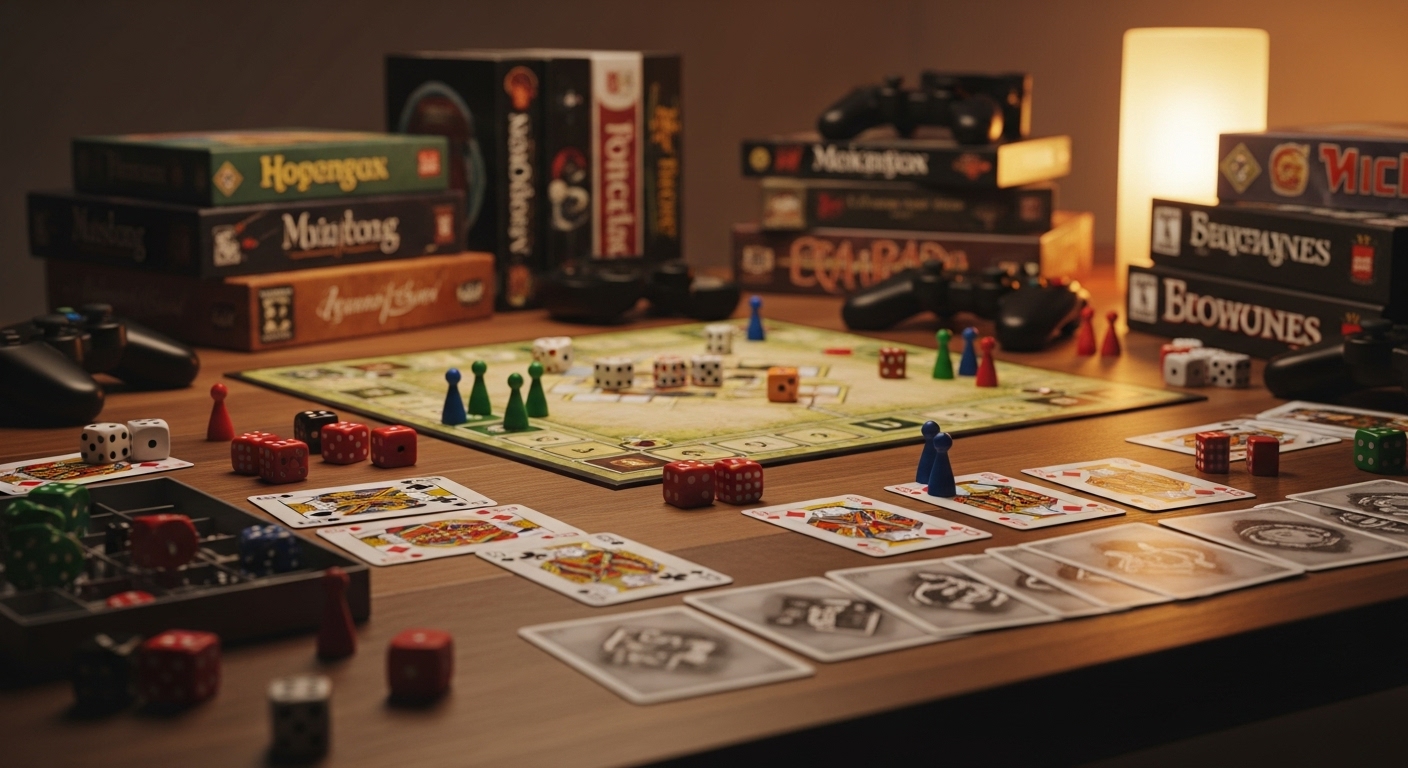
The world of video games is vast and diverse, with countless genres, styles, and experiences to offer. From action-packed shooters to immersive role-playing games, the gaming industry has something for every type of player. However, there is a particular subset of games that stands out for their unique concepts and approaches. These are the games that break away from conventional formulas and push the boundaries of what games can be. These titles often defy expectations, challenge established norms, and offer players experiences that are fresh, exciting, and thought-provoking. In this blog post, we will delve into the world of games with unique concepts, exploring what makes them special and how they have impacted the gaming landscape.
The Essence of Uniqueness in Video Games
When we talk about “unique” games, what do we really mean? At its core, a unique game is one that offers something new—whether it’s a fresh gameplay mechanic, an unconventional narrative structure, or an artistic vision that hasn’t been seen before. These games set themselves apart not by how they look or sound, but by how they make players feel or think. They challenge our assumptions of what video games can be, expanding the medium’s potential in ways that go beyond the typical “gameplay loop.”
While many games follow a proven formula—be it through role-playing, combat, puzzle-solving, or sports simulation—unique games often break the mold in ways that are unexpected. They may not always be commercially successful, but their influence on the industry can be profound. These games often inspire a new generation of developers to think outside the box and to create new experiences that push the boundaries of the medium.
Journey: A Masterpiece of Minimalism and Emotion
One of the most celebrated examples of a unique game is Journey, developed by Thatgamecompany and released in 2012. Journey is a third-person adventure game that places players in the shoes of a robed figure traveling through an expansive desert. The goal of the game is simple: reach the peak of a distant mountain. However, it’s not the gameplay mechanics that make Journey special; it’s the emotional experience it offers.
The game is entirely devoid of dialogue and traditional storytelling. Instead, it relies on stunning visuals, a powerful musical score, and environmental storytelling to convey its message. Journey is about solitude, discovery, and connection. As players explore the desert, they encounter other players on the same pilgrimage. However, communication is limited to simple gestures. This lack of direct communication fosters a sense of cooperation and emotional connection that is rarely seen in multiplayer games.
What makes Journey so unique is the way it evokes emotions without the need for complex narratives or dialogue. The game is a perfect example of how minimalism can be used to create a deeply moving experience. It reminds players that games can be more than just entertainment—they can be a medium for emotional expression and personal reflection.
The Stanley Parable: A Game That Questions Free Will
Another standout example of a unique game is The Stanley Parable. Developed by Davey Wreden and William Pugh, The Stanley Parable is an interactive narrative experience that explores the concept of choice and free will in video games. In The Stanley Parable, players control Stanley, an office worker who one day finds himself alone in his workplace. The game is narrated by an omnipresent voice that guides Stanley through various choices and pathways.
What makes The Stanley Parable so unique is its subversion of traditional game design. Players are not tasked with completing levels or defeating enemies. Instead, the game encourages them to make decisions and explore different paths, with each choice leading to different outcomes. The narrator adapts to the player’s choices, commenting on the decisions made and offering new insights into the nature of choice itself.
The game’s branching narrative structure is what makes it stand out. The player can choose to follow the narrator’s instructions or rebel against them, resulting in different storylines and endings. The Stanley Parable plays with the idea of free will in a way that is both humorous and thought-provoking. It asks players to consider how much control they really have over their actions, not just in the game, but in life itself.
Undertale: A Game That Challenges Morality
Toby Fox’s Undertale is another excellent example of a game that challenges players’ expectations and conventions. Released in 2015, Undertale is a role-playing game (RPG) that takes place in an underground world inhabited by monsters. The game’s core mechanic is its unique combat system, which allows players to either fight enemies or spare them through non-violent means.
What makes Undertale unique is its approach to morality. Most RPGs present combat as the default solution to conflict, but Undertale allows players to choose a more peaceful path. By talking to enemies, showing mercy, or even complimenting them, players can resolve conflicts without resorting to violence. This decision-making system leads to multiple endings, with each choice the player makes having a lasting impact on the story and its outcome.
The game also subverts traditional RPG tropes with its quirky humor, unforgettable characters, and emotional depth. Its story addresses themes of empathy, forgiveness, and the consequences of one’s actions. Undertale is a game that encourages players to think about their choices in a way that is rarely seen in video games, and it challenges the idea that games need to rely on combat or violence to tell a compelling story.
Papers, Please: A Bureaucratic Dystopia
Papers, Please, developed by Lucas Pope, is a game that challenges traditional notions of what a video game can be. Set in the fictional country of Arstotzka, players take on the role of a border control officer tasked with inspecting documents and deciding whether to allow people to enter the country. On the surface, it seems like a simple bureaucratic simulator, but the game’s deeper themes and moral dilemmas set it apart.
In Papers, Please, players are faced with a series of ethical choices. They must decide whether to follow the rules and deny entry to people who do not have proper documentation, or whether to bend the rules in order to help those in need. The game’s story develops based on the player’s decisions, and each choice has consequences that affect the larger narrative. The game explores themes of obedience, morality, and the human cost of bureaucracy, making it a unique and thought-provoking experience.
What makes Papers, Please so compelling is how it forces players to confront difficult moral questions. It asks whether it is right to follow orders without question or whether personal ethics should take precedence. Papers, Please is a rare example of a game that not only challenges players’ decision-making skills but also forces them to think critically about the real-world implications of their actions.
Outer Wilds: Exploration and Time Loops
Outer Wilds, developed by Mobius Digital, is an exploration-based game that blends science fiction with time-loop mechanics. Players take on the role of an astronaut exploring a mysterious solar system, but there’s a catch—the sun explodes every 22 minutes, resetting time and forcing the player to start over. The goal is to uncover the secrets of the solar system and understand the cause of the time loop.
What makes Outer Wilds unique is its emphasis on exploration and discovery rather than combat or traditional quest-based gameplay. Players are free to explore different planets, piece together the story through environmental clues, and use each time loop to gather new information. The game encourages experimentation and rewards players who take the time to explore every corner of the solar system.
The time-loop mechanic adds a layer of complexity to the game, as players must learn from each cycle and use their knowledge to uncover the mysteries of the world. Outer Wilds is a game that thrives on curiosity, offering a sense of wonder and discovery that is rarely seen in other games. Its combination of exploration, puzzles, and time manipulation makes it a truly unique experience.
The Witness: Puzzle Solving in a Beautiful World
The Witness, developed by Jonathan Blow, is a first-person puzzle game set on a mysterious island filled with intricate puzzles. What makes The Witness unique is its approach to puzzle-solving. Unlike most puzzle games, which provide players with explicit instructions or tutorials, The Witness expects players to learn through observation and experimentation.
The puzzles in The Witness are tied to the environment itself. As players explore the island, they encounter puzzles that are connected to different parts of the world, requiring them to pay attention to subtle clues and patterns in the environment. The game encourages players to think critically and creatively, using their surroundings to solve puzzles rather than relying on traditional puzzle mechanics.
The Witness is a game that challenges players’ perception and problem-solving skills. It’s a game that rewards patience, attention to detail, and creative thinking. Its minimalist design and complex puzzles make it one of the most unique puzzle games ever created.
Conclusion: The Future of Unique Games
The games discussed in this blog post are just a few examples of how the gaming industry continues to push the boundaries of what video games can be. These games are unique not only in their gameplay mechanics but also in their ability to evoke emotions, challenge moral decisions, and inspire critical thinking. They prove that games are not just about entertainment; they can be a form of art, a medium for storytelling, and a way to engage players on a deeper level.
As technology continues to advance and new ideas emerge, we can expect even more unique and innovative games to come. These games may not always be commercial blockbusters, but they will continue to influence the future of gaming, inspiring both developers and players to think outside the box. The future of gaming is bright, and it’s exciting to think about all the new and unique experiences that await us in the years to come.