The Origins of Games
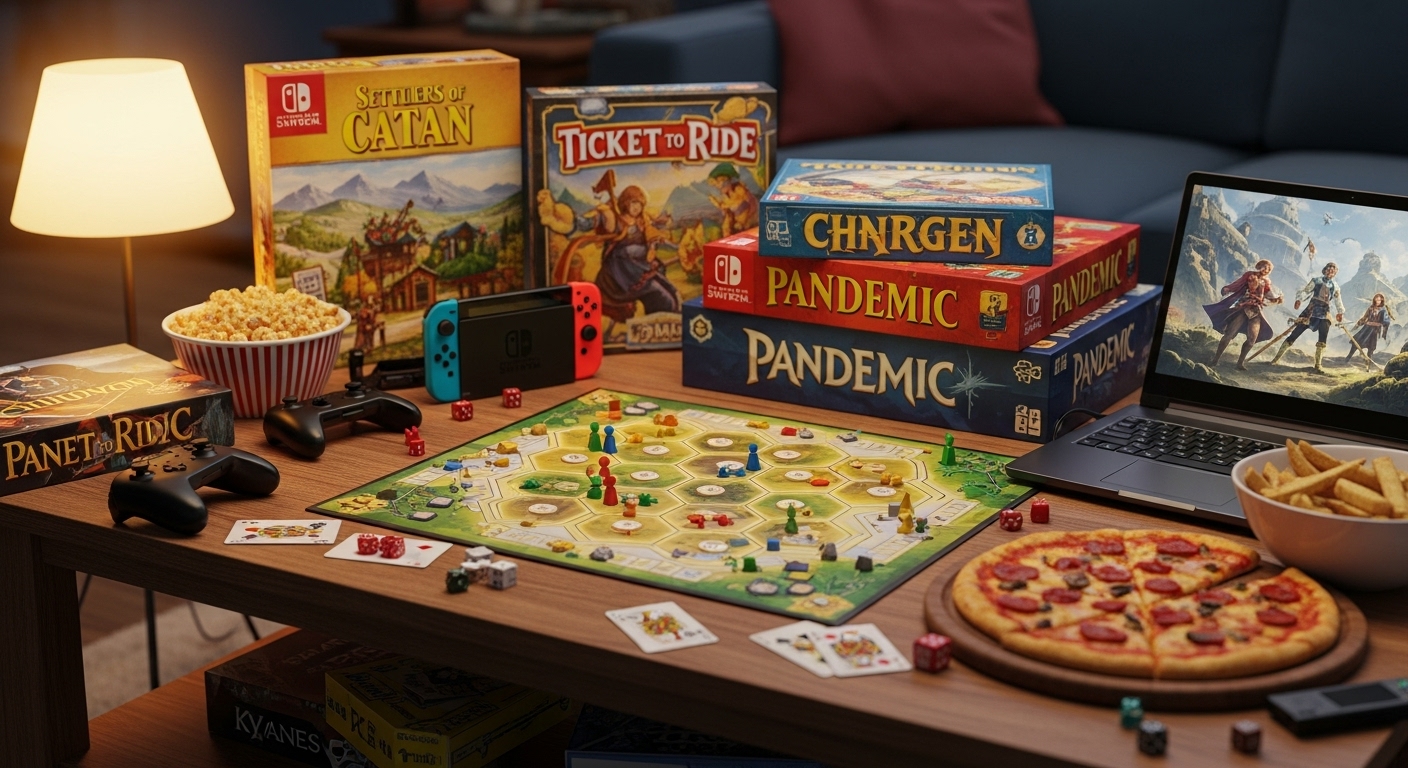
Games have been an essential part of human society for thousands of years. Before video games and digital platforms existed, humans engaged in board games, card games, and physical contests to entertain themselves, build skills, and strengthen social bonds. Ancient civilizations, including Egypt, Greece, and China, developed games that tested strategy, reflexes, and mental acuity. Games like Senet, chess, and Go served not only as entertainment but also as tools for education, competition, and socialization.
These early forms of gaming highlight humanity’s desire for challenge, problem-solving, and storytelling. The essence of play—whether through strategy, luck, or physical skill—formed the foundation for modern games, emphasizing creativity, critical thinking, and interaction.
The Evolution of Video Games
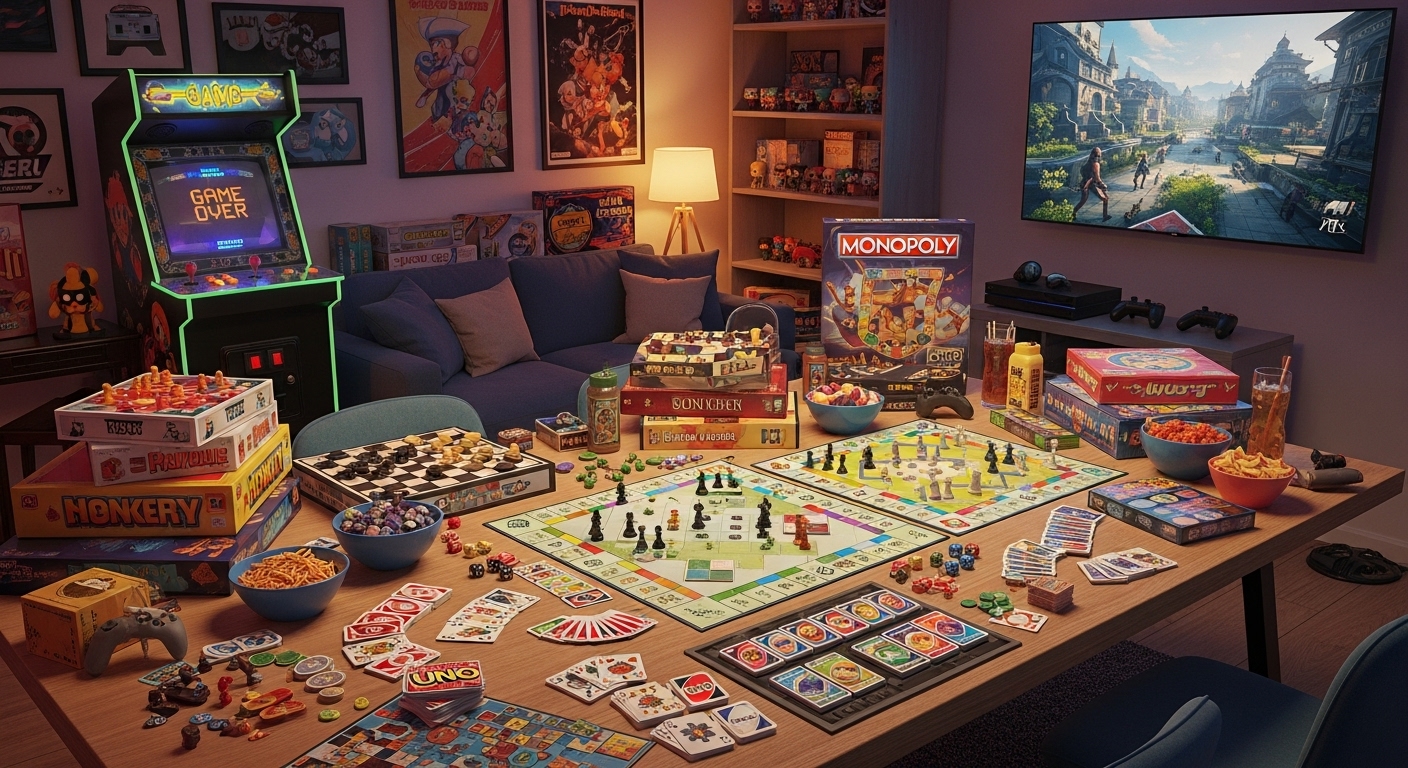
The late 20th century marked a revolution in gaming with the introduction of electronic and video games. The first wave of arcade games in the 1970s, including Pong, Space Invaders, and Pac-Man, brought interactive digital entertainment to the public. These simple yet engaging games captivated audiences and established gaming as a popular pastime.
The arrival of home consoles, like the Atari 2600 and Nintendo Entertainment System, made gaming accessible in households worldwide. Games became more complex, featuring characters, storylines, and immersive worlds. Iconic franchises like Super Mario, Zelda, and Metroid set the standard for engaging gameplay, inspiring generations of players and shaping gaming culture.
The Rise of PC Gaming
Parallel to consoles, personal computers became a platform for gaming innovation. PC games in the 1980s and 1990s, such as Doom, SimCity, and Warcraft, introduced more sophisticated mechanics and immersive experiences. PCs allowed for modding, creating new content, and multiplayer experiences that connected players across the globe.
Online gaming communities emerged, allowing players to collaborate, compete, and share strategies. Multiplayer games like Counter-Strike and StarCraft fostered competitive culture and built a foundation for eSports, highlighting the potential of gaming as a global social and professional phenomenon.
The Growth of Mobile and Casual Games
Mobile gaming has transformed the accessibility and reach of games. Smartphones and tablets allow millions of people to play anywhere, at any time, with games like Candy Crush, PUBG Mobile, and Pokémon Go appealing to casual and dedicated players alike. Mobile games offer quick, engaging experiences that often blend strategy, puzzle-solving, and social interaction.
Casual games have expanded the gaming audience, attracting players who might not traditionally engage with consoles or PCs. The accessibility of mobile gaming has democratized the industry, giving developers opportunities to innovate and players new ways to interact with games daily.
Games as Cultural Phenomena
Games influence culture as much as they entertain. Iconic franchises, characters, and storylines have permeated movies, television, and merchandise, shaping global popular culture. Games are not just activities but cultural touchstones, inspiring creativity, discussion, and community-building.
Gaming culture encourages collaboration, fan creation, and social interaction. Players share strategies, create fan art, and participate in online communities centered around their favorite games. This cultural aspect fosters a sense of belonging, identity, and engagement that extends beyond gameplay.
The Role of Storytelling in Games
Modern games often emphasize narrative and world-building, transforming gameplay into an immersive storytelling experience. Role-playing games (RPGs), adventure games, and open-world titles allow players to inhabit characters, make decisions, and experience branching storylines.
Narrative-driven games like The Witcher series, Red Dead Redemption, and The Last of Us demonstrate the potential of games as interactive storytelling mediums. Players engage emotionally with characters and worlds, experiencing consequences and moral dilemmas, which deepens the immersive quality of gameplay.
Multiplayer Games and Online Communities
Multiplayer games have redefined gaming by making it a social experience. Games like Fortnite, League of Legends, and Apex Legends allow players to compete or collaborate online, creating vibrant communities and global competitions.
Online multiplayer games foster teamwork, communication, and strategic thinking. Players form guilds, clans, and teams, building relationships and identities within gaming communities. These interactions create shared experiences, friendships, and even professional opportunities through competitive gaming and streaming.
The Impact of eSports
Competitive gaming, or eSports, has elevated gaming to a professional and spectator-driven industry. Tournaments for games like Dota 2, Counter-Strike, and Valorant attract millions of viewers and offer prize pools in the millions of dollars. eSports players dedicate hours to training, strategy, and teamwork, similar to traditional athletes.
The growth of eSports has created professional teams, leagues, sponsorships, and careers for players, commentators, and content creators. It has also legitimized gaming as a serious pursuit, demonstrating skill, discipline, and entertainment value on a global stage.
Gaming and Technology
Technology drives innovation in gaming, from graphics and processing power to artificial intelligence and virtual reality. High-performance hardware allows developers to create detailed worlds, realistic physics, and immersive audio. AI enhances gameplay by creating challenging opponents, adaptive narratives, and procedural content.
Virtual reality (VR) and augmented reality (AR) are transforming the way players experience games, creating immersive and interactive environments. These technologies offer unique gameplay experiences that engage players physically, cognitively, and emotionally, expanding the boundaries of traditional gaming.
The Psychology of Games
Games engage players cognitively, emotionally, and socially. Strategic games develop problem-solving skills and critical thinking, while action games improve reaction times and hand-eye coordination. Role-playing games encourage empathy, decision-making, and moral reasoning by allowing players to experience diverse perspectives.
Social interaction within games fosters communication, teamwork, and a sense of community. Gaming provides entertainment, stress relief, and cognitive stimulation, making it a multifaceted medium with benefits beyond simple amusement.
Games in Education
Games are increasingly used as educational tools. Gamification, the use of game elements in non-game contexts, enhances learning by motivating students, providing immediate feedback, and promoting engagement. Educational games teach problem-solving, strategic thinking, and collaboration, making learning interactive and enjoyable.
Simulations and interactive games are applied in professional training, such as flight simulators, medical practice tools, and engineering design programs. Games provide safe, controlled environments for experimentation, allowing learners to develop skills and knowledge effectively.
The Business of Games
The gaming industry is a global economic powerhouse, generating revenue from game sales, in-game purchases, subscriptions, merchandise, and competitive events. Companies invest in development, marketing, and technology to create immersive and engaging experiences.
Independent developers contribute innovation and creativity, expanding the diversity of gaming experiences. Platforms for digital distribution, mobile gaming, and streaming services have transformed how games reach audiences, making the industry dynamic and continuously evolving.
The Social Impact of Games
Games shape social interaction and community-building. Multiplayer and online games encourage cooperation, competition, and communication across cultures and geographies. Gaming communities offer spaces for friendship, mentorship, and shared experiences.
Games can also promote social awareness and inclusion. Titles addressing environmental issues, historical events, and ethical dilemmas encourage players to think critically and empathetically. By blending entertainment with education and social interaction, games serve as tools for engagement, awareness, and personal development.
The Future of Games
The future of gaming promises continued innovation and expansion. Cloud gaming will enable access to high-quality games without the need for expensive hardware. Artificial intelligence will create adaptive, personalized gameplay experiences. VR and AR will offer immersive, interactive environments that blur the line between physical and digital realities.
Games will continue to intersect with education, therapy, and professional development, broadening their role beyond entertainment. Competitive gaming, streaming, and online communities will expand, creating new opportunities for engagement, careers, and cultural influence. The future of gaming is one of limitless creativity, interaction, and possibility.
Conclusion: Games as a Cultural and Interactive Medium
Games have evolved from simple pastimes to a complex and influential form of entertainment. They combine technology, storytelling, social interaction, and cognitive engagement to create immersive experiences that shape culture and society.
From ancient board games to modern consoles, PCs, mobile devices, and virtual reality, gaming reflects human creativity, curiosity, and social connection. It offers entertainment, education, skill development, and professional opportunities, demonstrating its transformative power. Games are more than a hobby—they are a dynamic medium that connects people, challenges minds, and inspires creativity across generations.