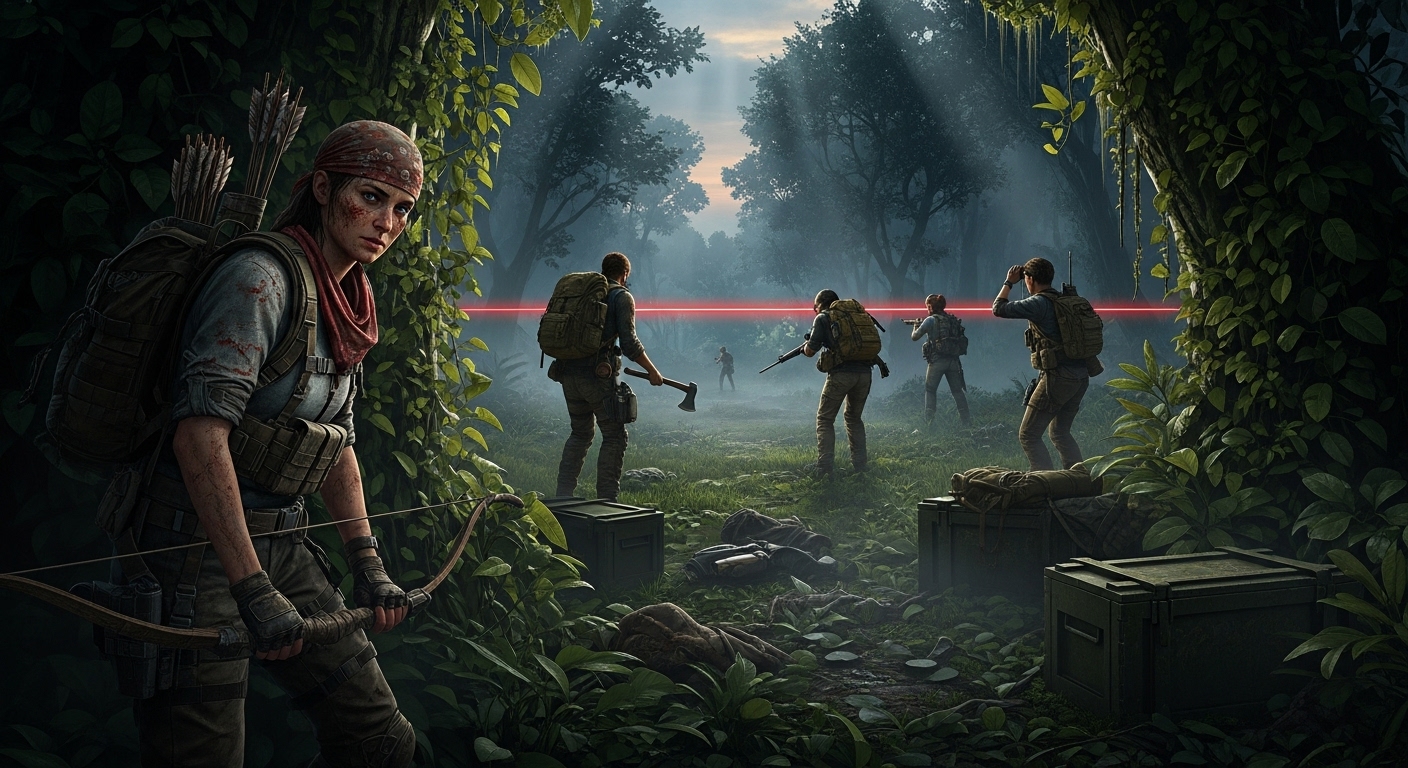
Open-world survival games have captured the imagination of gamers around the globe, offering vast landscapes to explore, countless challenges to overcome, and endless opportunities for creativity. Unlike linear games, survival titles place players in expansive environments where the main goal is not to follow a scripted path but to endure. Whether surviving against nature, hostile creatures, or other players, these games immerse players in worlds where resource management, exploration, and resilience are key.
The survival genre has grown rapidly over the past decade, with developers blending mechanics from action, role-playing, and crafting games to create unique experiences. Some emphasize realism and harsh survival mechanics, while others focus on fantasy or science fiction settings with imaginative twists. In this review, we will dive into the best open-world survival games, exploring what makes them stand out, their gameplay features, and why they continue to draw loyal players.
The Appeal of Open-World Survival Games
Survival games thrive on the thrill of vulnerability. Unlike traditional adventures where players are powerful heroes, survival titles begin by stripping players of advantages. Often starting with nothing but their hands, players must gather resources, craft tools, build shelters, and learn to adapt to a harsh environment. This sense of progression is deeply rewarding, as every small achievement—finding clean water, crafting a weapon, or building a home—feels hard-earned.
The open-world format enhances this appeal by offering freedom. Players can choose their path, whether that means venturing into dangerous territories, building elaborate bases, or forming alliances with others. The unpredictability of survival gameplay ensures no two playthroughs are exactly alike, giving the genre remarkable replayability.
Ark: Survival Evolved
One of the most well-known survival games, Ark: Survival Evolved combines prehistoric settings with science fiction elements. Players wake up on a mysterious island filled with dinosaurs and other creatures, and survival means learning to hunt, craft, and tame these beasts.
The highlight of Ark is its taming system, which allows players to domesticate dinosaurs for combat, transportation, or resource gathering. This feature gives the game a unique identity compared to other survival titles. With both solo and multiplayer options, Ark allows players to build tribes, wage wars, or simply construct massive bases.
While the game can be challenging with steep learning curves and demanding resource management, its scope and depth have cemented it as one of the genre’s defining titles.
Rust
Few games capture the raw brutality of survival better than Rust. Known for its unforgiving nature, Rust places players naked and alone in a hostile world where other players are often the greatest threat. Survival requires gathering resources, building shelters, and crafting weapons, but the social dynamics of player interactions truly define the experience.
Players must decide whether to cooperate, form clans, or fight for dominance. Betrayals, raids, and large-scale battles are common, creating a tense atmosphere where trust is rare. Rust may be punishing, but it rewards persistence, offering a survival experience that feels raw, unpredictable, and thrilling.
Its balance between crafting, combat, and player-driven storytelling makes it one of the most talked-about open-world survival games in the community.
The Forest
For players who enjoy horror mixed with survival, The Forest delivers a chilling experience. After a plane crash, players find themselves stranded in a dense forest inhabited by cannibalistic mutants. Surviving requires building shelters, hunting, and crafting weapons, but the true challenge lies in facing the horrors lurking in the shadows.
The Forest is praised for its atmosphere, blending survival mechanics with psychological tension. The open world is both beautiful and terrifying, with caves and forests filled with secrets. Building complex structures is satisfying, but players must always remain vigilant against enemy raids.
The game also tells a story through exploration, giving players a mystery to unravel alongside their struggle for survival. This combination of horror, survival, and narrative depth makes The Forest a standout in the genre.
Subnautica
Subnautica takes survival beneath the ocean’s surface, offering a refreshing twist on the genre. Stranded on an alien water-covered planet, players must explore vast underwater environments filled with alien flora and fauna. The game emphasizes exploration, crafting, and resource management, all while dealing with limited oxygen and the dangers of the deep.
Its colorful world and unique biome design set it apart from traditional survival settings. Players build underwater bases, craft submarines, and discover the planet’s mysteries through exploration. The balance between beauty and danger is striking, as tranquil environments often hide lurking predators.
Subnautica proves that survival does not always require post-apocalyptic or forest settings. By embracing the ocean’s wonder and fear, it creates one of the most immersive survival experiences available.
Don’t Starve
With its distinctive hand-drawn art style and darkly whimsical atmosphere, Don’t Starve offers a unique take on survival. The game strands players in a strange wilderness filled with bizarre creatures and supernatural forces. The challenge lies in maintaining health, hunger, and sanity, with gameplay that is as punishing as it is addictive.
Don’t Starve is notable for its permadeath system, forcing players to learn from each failure and adapt strategies. Its crafting system is deep, and the constant threat of bizarre enemies adds unpredictability. The expansion of Don’t Starve Together introduced multiplayer, allowing friends to struggle against the wilderness together.
Its blend of charm, difficulty, and originality ensures that Don’t Starve holds a permanent place among the best survival games.
Green Hell
For players seeking realism, Green Hell delivers one of the most authentic survival experiences available. Set in the Amazon rainforest, the game challenges players to endure the dangers of nature, from wild animals to disease and injuries. Unlike other games, Green Hell emphasizes psychological survival as much as physical. Players must manage their mental state while facing isolation and stress.
Crafting tools and building shelters are essential, but the game’s focus on realism means that even small mistakes can be deadly. Eating the wrong plant or neglecting wounds can lead to disaster. Green Hell stands out as a true test of patience, observation, and resilience, appealing to players who want survival mechanics grounded in reality.
Conan Exiles
Inspired by the Conan the Barbarian universe, Conan Exiles combines brutal survival mechanics with expansive world-building. Players must endure a harsh desert environment filled with enemies, build shelters, and craft weapons while engaging with lore from the Conan mythos.
The game emphasizes player freedom, allowing extensive character customization and large-scale base construction. Combat plays a major role, with players battling creatures and other humans. In multiplayer, large clans can wage wars and dominate the map, creating dynamic conflicts that add depth to survival gameplay.
Its mix of fantasy, survival, and sandbox elements make Conan Exiles a unique addition to the genre.
7 Days to Die
Blending survival with zombie horror, 7 Days to Die offers an experience that combines crafting, base-building, and wave-based survival. Players scavenge resources during the day and prepare for hordes of zombies that grow more dangerous as time progresses.
Its sandbox design allows for creativity, with players building elaborate fortresses to defend against the undead. The game also includes RPG elements, with character progression and skill systems that reward long-term play.
The tension of surviving each seven-day horde cycle creates urgency, ensuring that every decision matters. Despite being in development for years, it remains a favorite among survival fans for its depth and replayability.
Raft
Raft offers a minimalist but engaging survival experience set in the open sea. Starting on a small wooden raft, players must collect debris, expand their floating base, and fend off threats like sharks. The simplicity of the concept is balanced by the satisfaction of slowly turning a fragile raft into a massive mobile fortress.
The game emphasizes cooperation in multiplayer, where players must coordinate resource gathering and construction while exploring islands and ocean biomes. Its unique setting and steady progression make Raft one of the most charming hidden gems in the survival genre.
Minecraft
No list of survival games would be complete without mentioning Minecraft. While it has grown into one of the best-selling games of all time, its survival mode remains one of the purest and most beloved experiences in the genre. Players begin with nothing and must gather resources, craft tools, and build shelters to protect themselves from monsters.
Its procedurally generated worlds offer endless exploration, while its simple mechanics hide incredible depth. Players can pursue creativity in building or challenge themselves by surviving in harsher environments. The sheer freedom of Minecraft ensures it continues to inspire players more than a decade after its release.
Why These Games Stand Out
Each survival game brings something unique to the genre. Some emphasize realism, like Green Hell, while others focus on atmosphere, like Subnautica and The Forest. Multiplayer-focused titles like Rust and Ark thrive on social dynamics, while single-player gems like Don’t Starve challenge players with unforgiving mechanics.
What unites these games is their ability to immerse players in worlds that demand adaptability and resilience. They transform vulnerability into empowerment, rewarding creativity, perseverance, and strategy.
Conclusion
The survival genre has grown into one of the most diverse and innovative areas of gaming, offering experiences that range from realistic simulations to fantastical adventures. Whether battling hunger in Don’t Starve, taming dinosaurs in Ark, or exploring alien oceans in Subnautica, players are constantly tested in ways that feel personal and rewarding.
Open-world survival games thrive because they capture the essence of human resilience. They remind players of the thrill of exploration, the value of resourcefulness, and the joy of overcoming seemingly insurmountable odds. The games reviewed here represent the best of the genre, each offering its own unique spin on survival, exploration, and freedom.
As technology continues to advance, survival games will only grow more immersive and expansive. For now, these titles remain shining examples of how creativity and challenge can merge to create unforgettable experiences.