Introduction
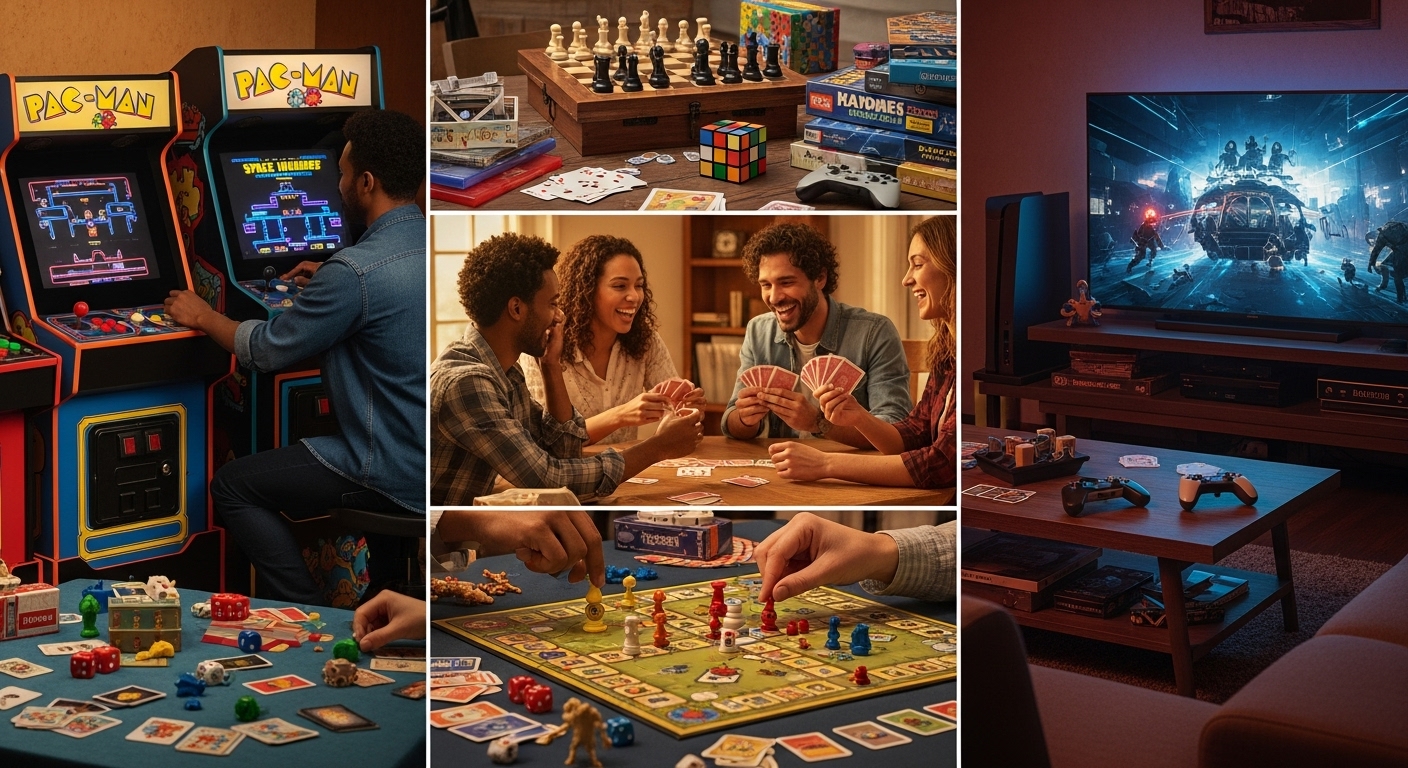
Games have been an integral part of human culture for centuries. From board games to outdoor sports and digital experiences, they entertain, challenge, and connect people. Beyond simple amusement, games teach strategy, patience, and problem-solving skills, making them a unique blend of fun and learning.
The Evolution of Games
Games have evolved significantly over time. Traditional games like chess, checkers, and hide-and-seek laid the foundation for modern gaming. Today, video games, mobile apps, and online multiplayer platforms offer immersive experiences with rich graphics, interactive storytelling, and complex strategies. This evolution has turned gaming into a global industry that entertains millions of people daily.
Games as a Social Activity
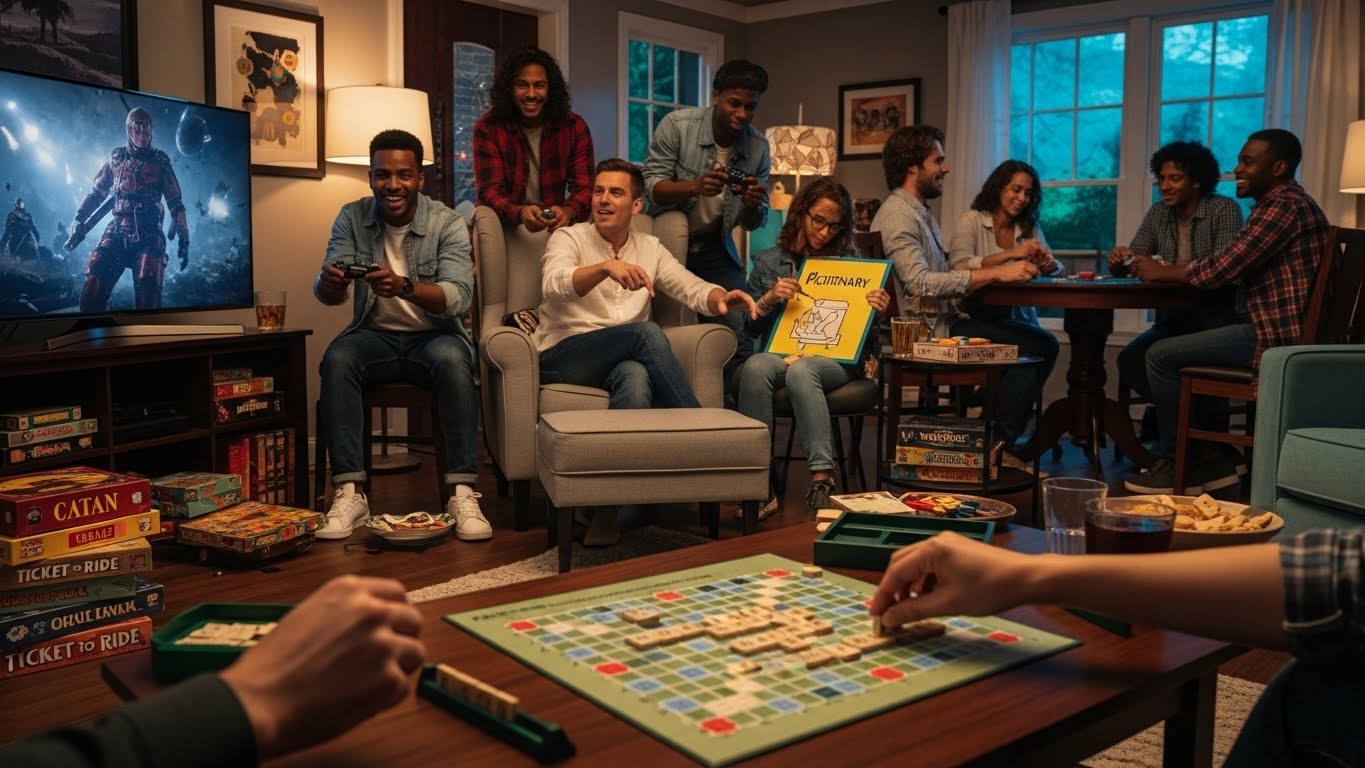
Games are a powerful way to bring people together. Board games, team sports, and online multiplayer games foster communication, teamwork, and friendly competition. Playing games encourages collaboration, strengthens relationships, and helps people develop social skills. Communities often form around games, creating bonds that extend beyond the playing environment.
Cognitive and Mental Benefits
Playing games sharpens the mind. Strategy games like chess improve problem-solving and planning skills, while puzzle games enhance critical thinking and memory. Fast-paced action games improve reflexes, focus, and decision-making under pressure. Games also provide a safe space for experimenting with strategies, learning from mistakes, and developing patience and resilience.
Games and Creativity
Many games encourage creativity and imagination. Role-playing games, simulation games, and sandbox experiences allow players to create stories, build worlds, and explore new ideas. Even traditional games can inspire creative thinking by requiring innovative strategies and unique approaches. Games provide an outlet for self-expression and innovative problem-solving.
Competitive Gaming and Esports
The rise of competitive gaming has transformed games into professional arenas. Esports tournaments attract global audiences, offering recognition and career opportunities for skilled players. Competitive gaming promotes dedication, practice, and strategic thinking. It also highlights the importance of teamwork, focus, and discipline, demonstrating that games can cultivate real-world skills.
Technology and Modern Gaming
Technology has revolutionized how games are played and experienced. Advanced graphics, virtual reality, augmented reality, and AI create immersive environments that engage players like never before. Online platforms allow players to connect globally, while game analytics help players improve their skills. Technology ensures that games continue to evolve and offer new challenges and experiences.
The Life Lessons of Gaming
Games teach more than entertainment—they teach life skills. Patience, perseverance, teamwork, and strategic thinking are all developed through playing games. Players learn to handle wins and losses gracefully, think critically, and adapt to changing circumstances. These lessons are valuable both in personal growth and professional development.
Conclusion
Games are a unique blend of fun, learning, and social connection. They challenge the mind, inspire creativity, and bring people together. Whether played on a board, in a sports field, or on a digital platform, games offer experiences that entertain and educate simultaneously. The world of games is a place where strategy, imagination, and human connection come together, making every play a chance to learn and grow.