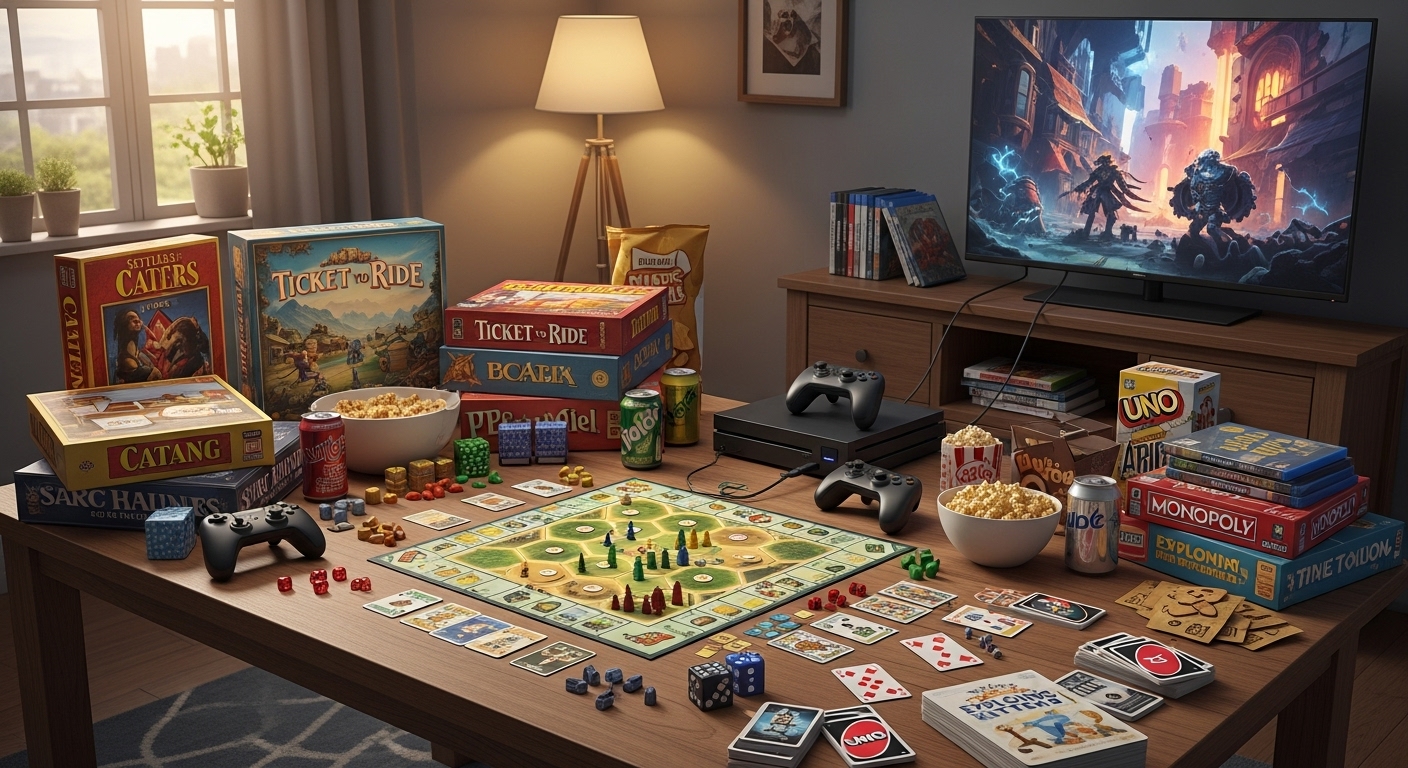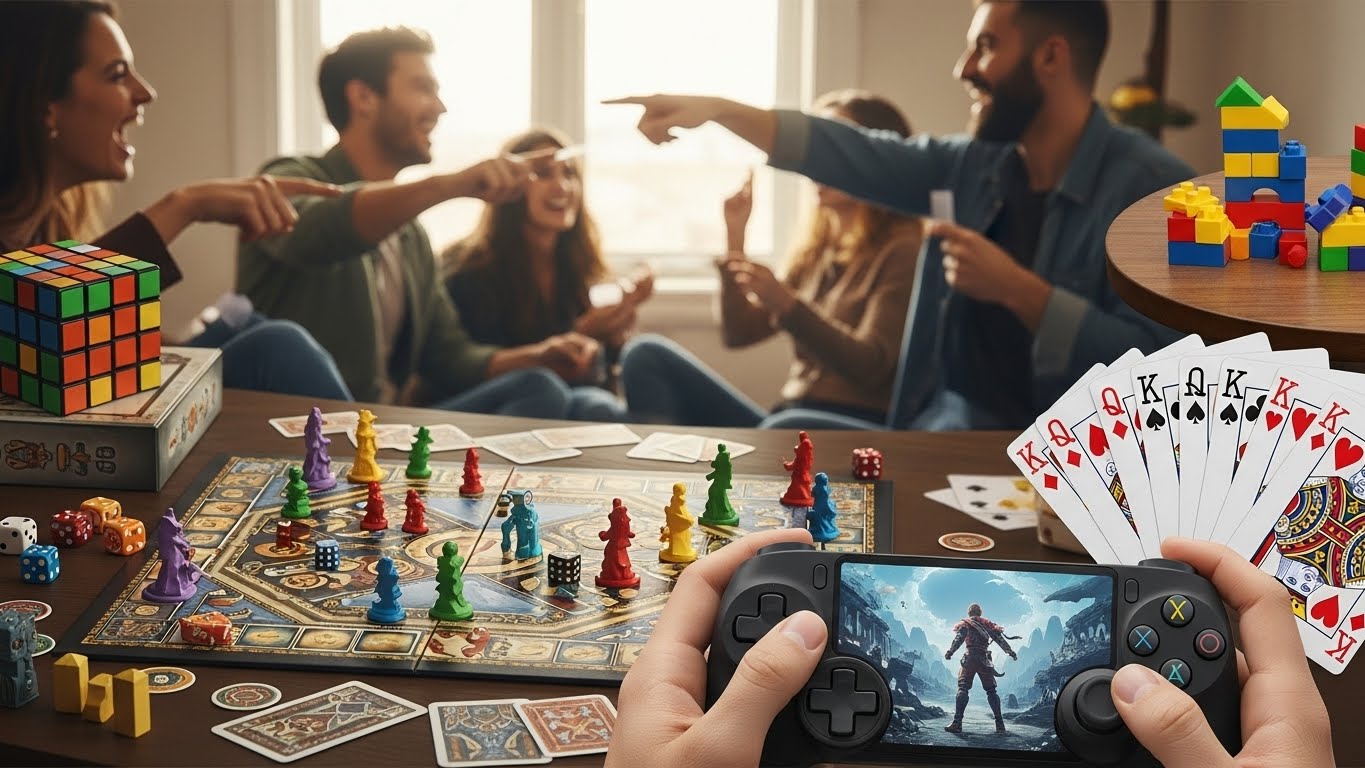
Games have always been more than just a way to pass time. They are a reflection of human creativity, competition, and the desire to explore new worlds. Whether it is ancient board games carved into stone, childhood playground favorites, or immersive digital worlds powered by cutting-edge technology, games have shaped human culture in countless ways. This blog explores the vast universe of games, their evolution, their impact on society, and why they continue to hold such a special place in our lives.
The Origins of Games
The concept of gaming is as old as civilization itself. Ancient humans engaged in simple contests of skill, chance, and strategy long before the invention of modern technology. Archaeologists have discovered board games dating back thousands of years, such as Senet from ancient Egypt and Go from China. These games were not just forms of entertainment; they carried spiritual and social significance.
In many early societies, games were also used to teach lessons, build social bonds, and simulate real-world challenges. For example, hunting games allowed children to practice survival skills, while strategy-based games prepared leaders for war and politics. The simplicity of these early games contrasts sharply with the complex digital systems of today, yet their purpose remains the same: to entertain, to teach, and to connect.
The Rise of Traditional Games
Before the digital era, people enjoyed a wide variety of traditional games that could be played with minimal equipment. Board games, card games, dice games, and sports dominated family gatherings and public arenas alike. Games like chess, checkers, backgammon, and poker became cultural staples. Chess, in particular, stood out as a symbol of intellect and foresight, challenging players to think several moves ahead and anticipate their opponent’s strategy.
Card games, on the other hand, brought a sense of unpredictability and luck. They were often played in social gatherings, offering both competition and conversation. Even simple games like hide and seek or tag played by children in the streets carried the essence of fun and togetherness. These traditional forms of gaming helped build communities and friendships that transcended social and economic barriers.
The Birth of Digital Gaming
The invention of computers in the 20th century marked a turning point in the history of games. What began as experimental programs created by scientists soon evolved into a new form of entertainment. The first known computer game, Spacewar!, developed in the early 1960s, paved the way for a new generation of creative exploration. By the 1970s, the first commercial video games began to appear, introducing the world to classics like Pong and Tetris.
The 1980s and 1990s saw the rise of home consoles, arcade machines, and personal computer games. This period is often called the golden age of gaming. Companies like Nintendo, Sega, and Atari became household names, and iconic characters like Mario, Sonic, and Pac-Man became part of popular culture. Children and adults alike found joy in pixelated worlds filled with challenges, secrets, and rewards.
The Expansion of Genres
As technology improved, so did the variety and depth of games. Developers began to experiment with new ideas, leading to the creation of distinct genres. Action games tested reflexes and coordination, while adventure games encouraged exploration and problem-solving. Strategy games challenged players to think critically, and simulation games allowed them to experience aspects of real life, from city building to farming.
Role-playing games (RPGs) became especially popular because they offered rich narratives and character development. Games like Final Fantasy and The Legend of Zelda allowed players to immerse themselves in fictional worlds, complete quests, and grow alongside their characters. The diversity of gaming genres meant that there was something for everyone—whether you wanted to race cars, build civilizations, solve mysteries, or simply relax with a puzzle.
The Evolution of Graphics and Sound
One of the most striking aspects of modern gaming is how far visuals and audio have come. Early games featured simple shapes and beeps, but today’s titles offer breathtakingly realistic graphics, cinematic storytelling, and orchestral soundtracks. Advances in hardware and software have made it possible for games to rival movies in visual quality and emotional depth.
3D rendering, motion capture, and virtual reality have taken immersion to new heights. Players can explore vast open worlds filled with lifelike environments, dynamic weather systems, and complex characters. The sound design in modern games enhances the experience, making every explosion, whisper, or musical cue feel authentic and emotionally charged. Gaming has become a form of art that combines storytelling, design, music, and technology in a unique and powerful way.
The Rise of Online and Multiplayer Games
The introduction of the internet transformed gaming forever. No longer confined to single-player experiences or local matches, players could now connect with others across the globe. Online gaming created virtual communities where people could compete, collaborate, and communicate in real time. Games like World of Warcraft, Counter-Strike, and League of Legends became cultural phenomena, attracting millions of players worldwide.
Multiplayer games also fostered the rise of esports—a form of competitive gaming where professional players compete for fame and fortune. Esports tournaments now fill stadiums and attract massive online audiences, blurring the line between traditional sports and gaming. The sense of community, teamwork, and rivalry found in these games mirrors real-world sports, proving that gaming is not just a solitary hobby but a social experience.
The Role of Storytelling in Games
As games evolved, storytelling became one of their most powerful elements. Modern games often feature complex narratives, memorable characters, and moral choices that influence the outcome of the story. This interactivity sets gaming apart from other media, as players are not just observers but active participants in the unfolding drama.
Titles like The Last of Us, Red Dead Redemption 2, and God of War are praised for their cinematic storytelling and emotional depth. Players form attachments to characters, experience moral dilemmas, and reflect on their decisions long after the game ends. In many ways, games have become a new form of literature, offering interactive stories that engage both the mind and the heart.
The Psychology of Gaming
Why do people love games so much? The answer lies in human psychology. Games provide a sense of achievement, challenge, and escapism. They reward effort, creativity, and persistence. When players overcome obstacles, complete missions, or achieve high scores, their brains release dopamine—a chemical associated with pleasure and satisfaction. This creates a powerful sense of motivation and joy.
Moreover, games offer an escape from the pressures of real life. They allow people to step into different roles, explore imaginary worlds, and temporarily forget their worries. For some, gaming is a way to relax; for others, it is a means of self-expression or competition. The social aspect of online games also fulfills the human need for connection and belonging.
Educational and Therapeutic Value of Games
Beyond entertainment, games have proven to be valuable tools for education and therapy. Educational games teach subjects like mathematics, history, and science in engaging ways that encourage active learning. Simulation games, for example, help students understand complex systems by allowing them to experiment and see the results of their actions.
In therapy, games are used to improve mental health, motor skills, and cognitive function. They help patients recover from injuries, manage anxiety, and develop problem-solving abilities. Games that promote mindfulness and relaxation can also reduce stress and improve emotional well-being. This demonstrates that gaming, when used responsibly, can have profound positive effects on individuals and society.
The Impact of Mobile Gaming
The advent of smartphones revolutionized the gaming industry once again. Mobile games made gaming accessible to billions of people around the world, regardless of age or background. Simple yet addictive titles captured global attention and turned gaming into a mainstream pastime.
Mobile gaming’s convenience allows people to play anytime and anywhere, transforming daily routines into moments of fun. It also opened the door for new business models, such as free-to-play games supported by in-app purchases. Although mobile games are often criticized for promoting microtransactions, they undeniably expanded the reach and influence of gaming culture.
The Future of Games
The future of gaming looks brighter than ever. Emerging technologies like virtual reality (VR), augmented reality (AR), and artificial intelligence (AI) are pushing boundaries and redefining what is possible. VR immerses players in fully interactive worlds, while AR blends digital elements with the real environment. AI enhances game design by creating smarter enemies, adaptive challenges, and more realistic interactions.
Cloud gaming is another innovation that allows players to stream games without needing expensive hardware. This makes high-quality gaming more accessible and sustainable. As developers continue to experiment with storytelling, design, and interactivity, we can expect games to become even more immersive, emotional, and diverse.
The Cultural Significance of Games
Games are now a central part of global culture. They influence fashion, music, art, and even language. Iconic soundtracks, character designs, and catchphrases from games have become cultural touchstones. Gaming conventions, cosplay events, and online fan communities celebrate the creativity and diversity of the gaming world.
Moreover, games have become a powerful medium for exploring social issues and human experiences. Developers use interactive storytelling to address topics like mental health, identity, and morality, sparking conversations that extend beyond the screen. This cultural impact shows that games are not just entertainment—they are a form of expression that reflects and shapes the world we live in.
The Balance Between Gaming and Life
While gaming offers many benefits, balance is essential. Excessive gaming can lead to physical strain, social isolation, and neglect of responsibilities. Setting healthy boundaries ensures that gaming remains a positive and enriching activity. Like any form of entertainment, moderation and mindfulness are key to maintaining a balanced lifestyle.
Parents and educators play an important role in guiding young players, helping them develop healthy gaming habits and critical thinking skills. When approached responsibly, gaming can coexist harmoniously with education, work, and family life.
Conclusion: The Endless Game
From ancient board games to futuristic virtual worlds, games have evolved alongside humanity, reflecting our curiosity, creativity, and desire for connection. They are a bridge between imagination and reality, between individuals and communities, between competition and cooperation. Whether played on a field, a board, or a screen, games continue to unite people across generations and cultures.
The world of games is infinite, constantly evolving and expanding. It challenges our minds, inspires our creativity, and brings joy to our hearts. In every game, there is a story waiting to be told, a challenge waiting to be conquered, and a world waiting to be explored. And as long as humans continue to dream, the game will never truly end.