Introduction
Games have been an essential part of human culture for centuries. From board games and outdoor sports to digital adventures, games entertain, challenge, and bring people together. They are more than just pastimes—they develop skills, foster creativity, and build social bonds. In today’s world, games continue to evolve, blending technology with imagination to create experiences that captivate players of all ages.
The Evolution of Games
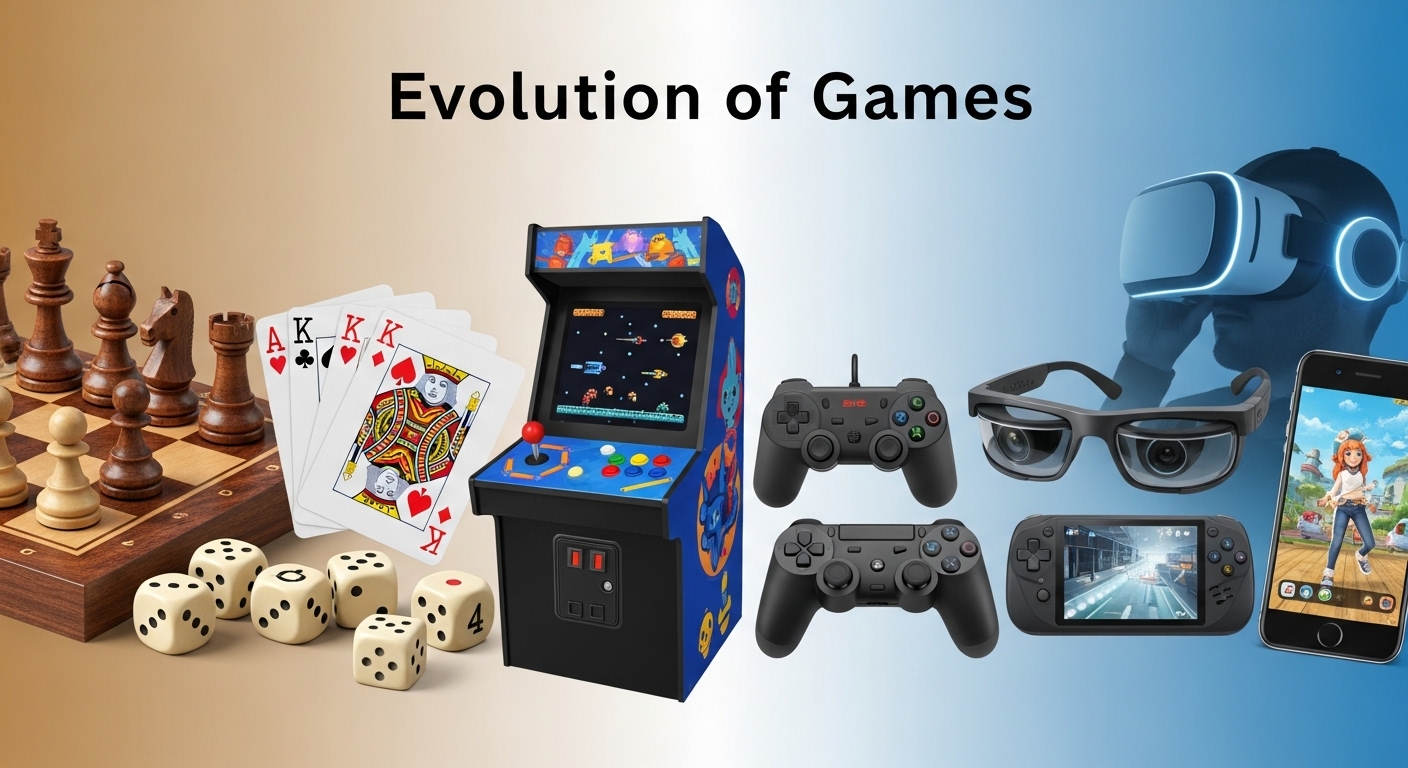
The history of games reflects human creativity and innovation. Traditional games like chess, hide-and-seek, and card games have long been used for recreation, learning, and social interaction. With the rise of video games, the landscape expanded dramatically. Digital games now offer immersive worlds, complex storylines, and interactive gameplay, combining entertainment with cognitive development. This evolution demonstrates how games adapt to technology while maintaining their core purpose of fun and engagement.
Games as a Social Experience
Games have the unique ability to bring people together. Multiplayer games, whether physical or digital, promote teamwork, strategy, and communication. Friends and families bond over shared victories, while online platforms create global communities. The social aspect of games strengthens relationships, encourages collaboration, and provides a sense of belonging for players of all ages.
Educational and Cognitive Benefits
Beyond fun, games are powerful tools for learning and personal growth. Strategy games enhance critical thinking and problem-solving skills. Puzzle and logic games improve memory and focus. Role-playing games encourage creativity, storytelling, and decision-making. Many educators now use games in classrooms to make learning more engaging and interactive, proving that games can be both entertaining and educational.
Games and Mental Health
Playing games also supports mental well-being. They provide a safe space to relax, de-stress, and enjoy a sense of achievement. Games that challenge players mentally or require strategy can boost confidence and improve cognitive flexibility. When approached responsibly, gaming is a healthy outlet for creativity, focus, and social interaction.
Challenges in Modern Gaming
Despite the benefits, gaming comes with potential challenges. Overindulgence can lead to excessive screen time, social isolation, and physical inactivity. Online games may expose players to toxic behavior or cyberbullying. Maintaining balance, setting boundaries, and promoting fair play are essential for ensuring that gaming remains a positive experience.
The Future of Games
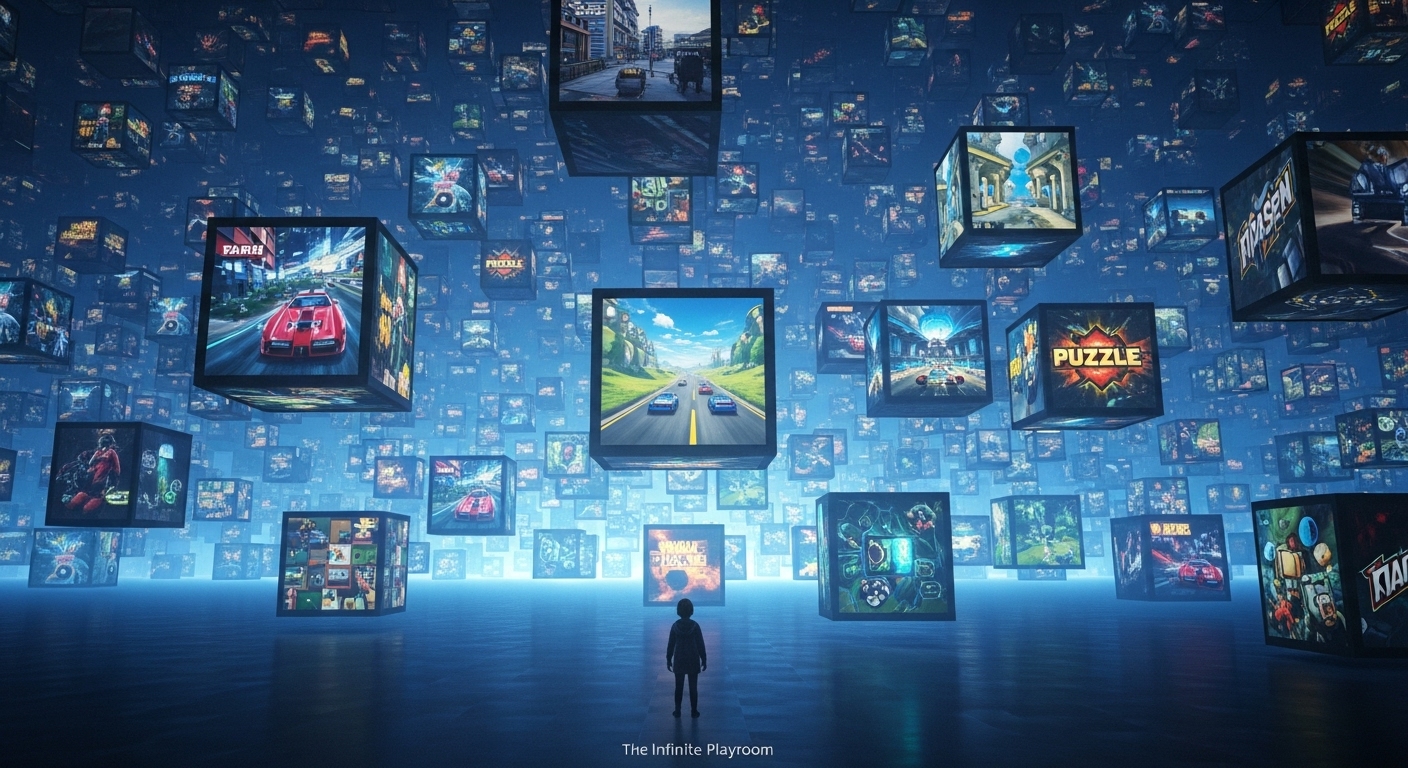
The future of games is exciting and transformative. Virtual reality, augmented reality, and artificial intelligence are creating immersive experiences that blend reality with imagination. Games are becoming increasingly interactive, social, and educational, offering players new ways to explore, compete, and connect. As technology continues to advance, games will remain a central part of entertainment, learning, and culture.
Conclusion
Games are more than entertainment—they are a reflection of human creativity, strategy, and social connection. From traditional board games to cutting-edge digital adventures, they engage minds, foster relationships, and provide joy. In every challenge and every victory, games teach valuable lessons about perseverance, collaboration, and imagination. As the world continues to evolve, games will remain a timeless way to play, learn, and connect.