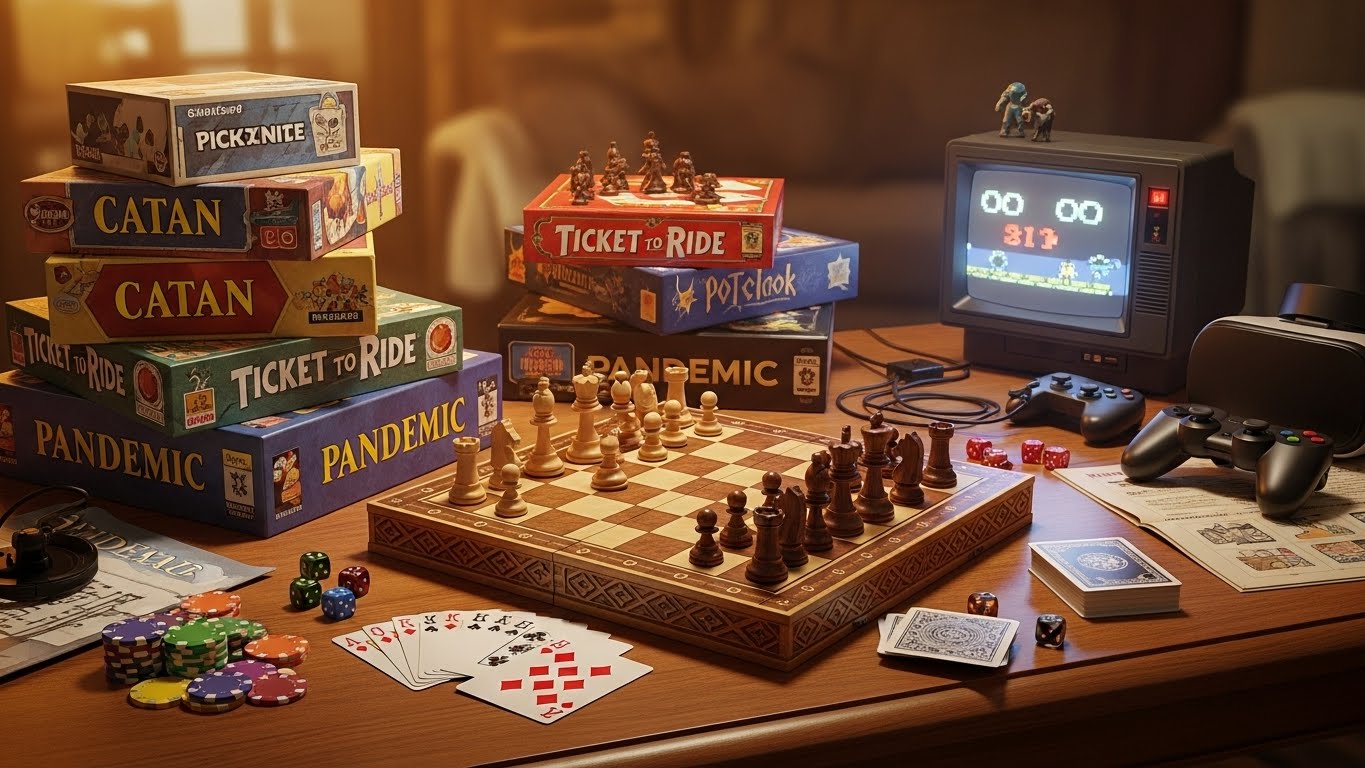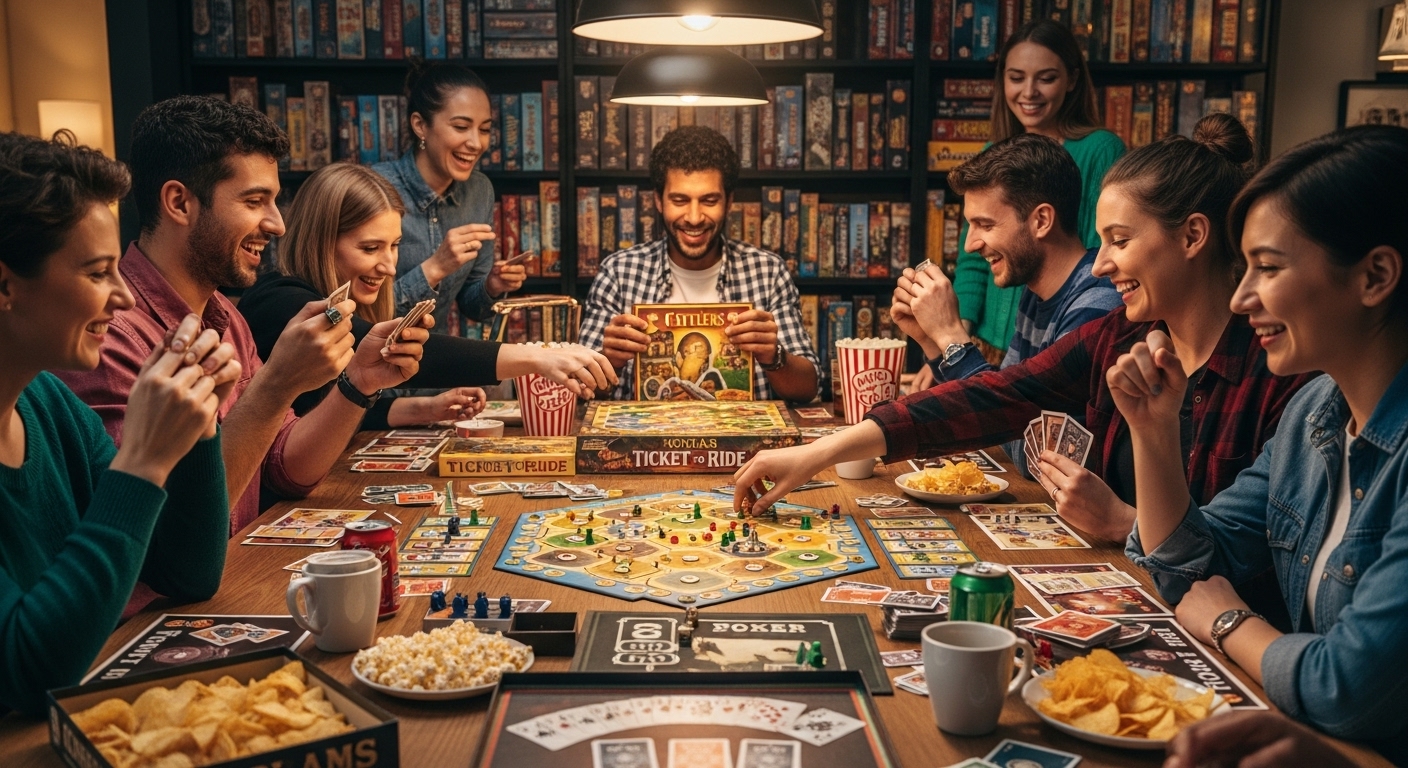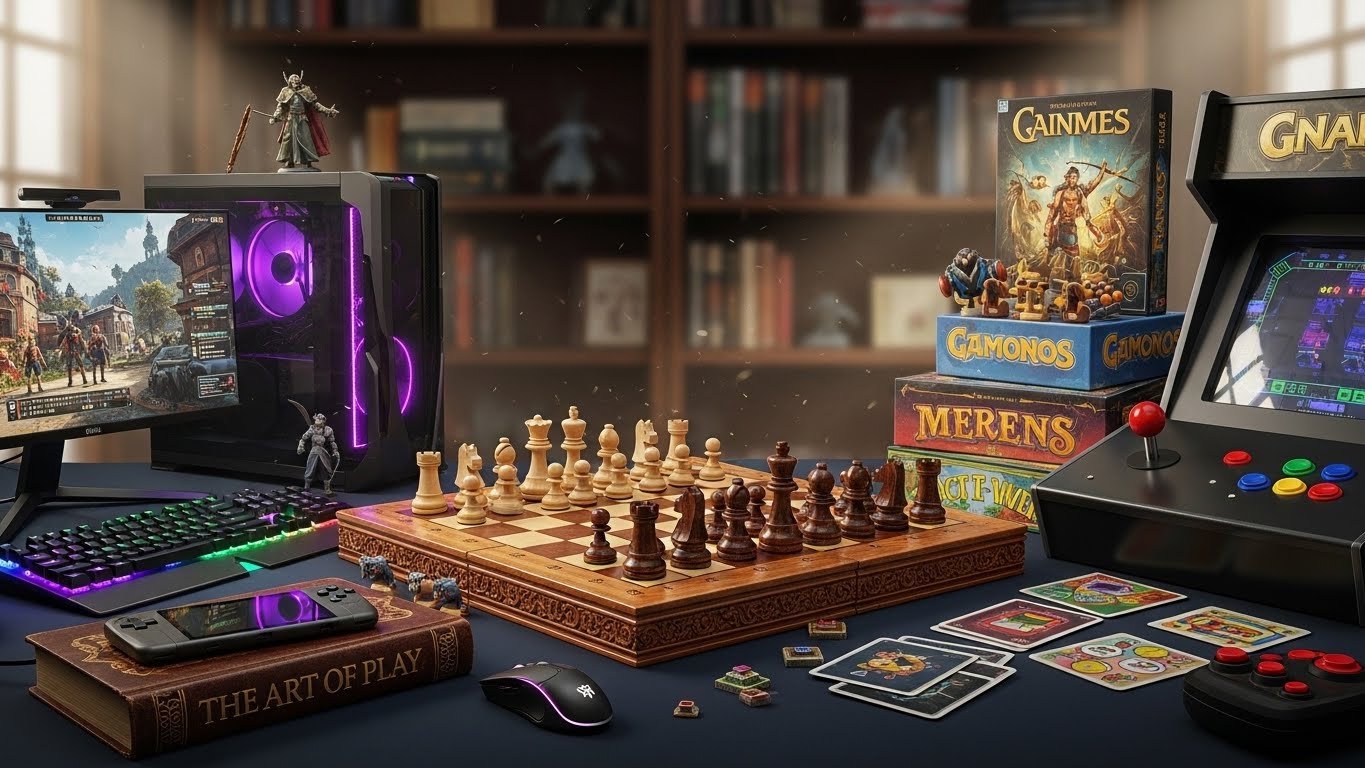
Games have been an integral part of human culture for thousands of years. From the simple, board-based games of ancient civilizations to the complex, immersive digital experiences of today, games have not only entertained but also challenged our minds, connected us socially, and even shaped entire industries. This blog delves into the fascinating evolution of games, examining their history, impact, and the future of gaming in a world where technology continues to evolve at a rapid pace.
The Origins of Games: From Simple Entertainment to Social Rituals
The earliest known games date back to ancient civilizations. One of the oldest recorded board games is Senet, which dates back to around 3100 BCE in ancient Egypt. It was played on a grid-like board with pieces that moved in a specific pattern, and while the rules are unclear today, it’s believed to have held religious significance, possibly symbolizing the journey of the soul after death. Games like Mehen, also from Egypt, and Royal Game of Ur, from Mesopotamia, served not only as pastimes but also as ways to socialize, teach strategy, and pass down traditions.
In these early societies, games were often part of religious ceremonies, festivals, and royal court entertainments. They were a way to foster social interaction, bond communities, and display intellectual prowess. In fact, it wasn’t just about playing to win, but about the meaning and context behind each move or roll of the dice. These ancient games laid the groundwork for the role games would continue to play in human culture over the millennia.
The Rise of Board Games and Card Games: A New Age of Strategy and Skill
As civilizations advanced, so did the complexity of games. The Greeks and Romans enjoyed games that required skill, such as dice games and chess-like strategy games. Chess, believed to have originated in India in the 6th century, spread to Persia and eventually to Europe. It became an important intellectual game, symbolizing strategy, power, and warfare. This shift marked the beginning of competitive gaming, where people began to challenge each other not just for fun, but to demonstrate their strategic thinking and skill.
The Middle Ages also saw the proliferation of card games, particularly in Europe. Card games likely originated in China in the 9th century and spread to the Islamic world, eventually making their way to Europe by the 14th century. Games like tarot and pinochle gained popularity, serving as forms of leisure and social bonding during long winters or festive gatherings. These games were more than just simple pastimes—they were a way for people to interact, build relationships, and even challenge social norms in a setting that was free from the pressures of everyday life.
The Birth of Modern Gaming: The Industrial Revolution and the Monopoly of Fun
By the late 19th century, the industrial revolution had transformed the way games were produced and played. The mass production of toys and games made entertainment more accessible to a broader audience. In the early 20th century, board games like Monopoly began to emerge, capturing the imagination of families across the globe. Monopoly, for example, was originally conceived as a lesson in economics but soon became a symbol of competitive family entertainment.
In the 1920s and 1930s, with the advent of penny arcades and mechanical gaming devices, the foundation for modern gaming was further established. Early coin-operated games like pinball started to gain popularity in bars and arcades, laying the groundwork for the video game industry that would emerge in the following decades.
The Digital Revolution: From Pong to the PlayStation
The 1970s and 1980s ushered in the digital age of gaming. The invention of the first video games—like Pong—revolutionized the entertainment landscape. Video games went from simple, text-based designs to visually rich and interactive experiences. Early arcade games such as Space Invaders and Pac-Man introduced gamers to entirely new worlds where reflexes, patterns, and coordination were as important as strategy. These games brought a new level of excitement and challenge, and arcades quickly became popular hangouts for children, teens, and even adults.
By the mid-1980s, home gaming consoles like the Nintendo Entertainment System (NES) began to take the world by storm. The NES introduced iconic franchises like Super Mario Bros., The Legend of Zelda, and Metroid, which became staples in the gaming world. Gaming moved from being a niche activity to a household pastime. This period also saw the rise of personal computers as a gaming platform, with games like Prince of Persia and Warcraft captivating players with their storylines and innovative gameplay mechanics.
The 1990s saw the birth of 3D graphics in games, transforming the gaming experience from a 2D world into fully immersive virtual environments. This was the era when Sony’s PlayStation became a major force in gaming, with landmark titles like Final Fantasy VII, Gran Turismo, and Metal Gear Solid. The PlayStation made gaming even more accessible, bringing high-quality gaming experiences to living rooms all over the world.
Online Gaming: A New Era of Connectivity
As internet technology advanced in the late 1990s and early 2000s, online gaming began to take off. Games like EverQuest, World of Warcraft, and Counter-Strike ushered in a new form of gaming that allowed people to play with and against others from across the globe. The concept of a massively multiplayer online role-playing game (MMORPG) became a cultural phenomenon, where people not only played games but also forged friendships, formed guilds, and participated in global communities.
The growth of multiplayer online battle arenas (MOBAs) like League of Legends and Dota 2 further expanded the scope of online gaming. Competitive gaming also gave rise to esports, where professional gamers now compete in tournaments with large cash prizes, sponsorships, and global fanbases. What started as a niche hobby for a few tech enthusiasts quickly transformed into a professional sport, with esports tournaments filling stadiums and streaming to millions of viewers worldwide.
Mobile Gaming: Gaming on the Go
The advent of smartphones in the late 2000s opened up an entirely new frontier for gaming: mobile gaming. With the rise of app stores and mobile platforms like Apple’s iOS and Google Play, games like Angry Birds, Candy Crush, and Clash of Clans reached millions of players who may have never considered themselves “gamers.” Mobile gaming made it possible to play anytime, anywhere, and with the advent of augmented reality (AR), games like Pokémon Go introduced innovative new ways to blend the physical and digital worlds.
Mobile gaming’s accessibility made it possible for virtually anyone with a smartphone to engage in gaming. In many ways, this democratized the gaming experience, making it not only a form of entertainment but also an interactive way to connect with others in our increasingly digital world.
Virtual Reality and the Future of Gaming: Immersive Worlds
As technology continues to evolve, one of the most exciting developments in gaming is the emergence of virtual reality (VR) and augmented reality (AR). With devices like the Oculus Rift, PlayStation VR, and HTC Vive, gamers are now able to step into fully immersive 3D environments. VR has the potential to transform gaming from a passive experience into an active one, where players can move around, interact with the environment, and feel like they are truly part of the game.
Similarly, AR has allowed games to extend beyond the screen and into the real world. Games like Pokémon Go and Ingress blend the digital world with the physical, encouraging players to explore their surroundings while interacting with virtual elements.
The future of gaming looks poised to incorporate artificial intelligence (AI), machine learning, and cloud gaming to create even more personalized and engaging experiences. As AI continues to advance, we can expect smarter NPCs (non-playable characters), more complex storylines, and ever-evolving worlds that react to players’ actions in real time.
Conclusion: Games as a Reflection of Our Society
Games have come a long way from their humble beginnings in ancient civilizations. Today, they are not just entertainment—they are a cultural force that shapes how we interact, learn, and experience the world. Whether we are playing a strategy game on our phones, competing in an online battle, or exploring a vast virtual world in VR, games offer an escape from reality, a challenge for our minds, and a way to connect with others.
As technology continues to evolve, the world of gaming will only grow more immersive and exciting. It’s clear that games will continue to play a central role in shaping our entertainment landscape for generations to come. Whether you’re a casual gamer, a competitive player, or someone just looking for a bit of fun, the world of games is more expansive than ever before, offering endless possibilities for anyone ready to dive in.