Introduction: The World of Gaming
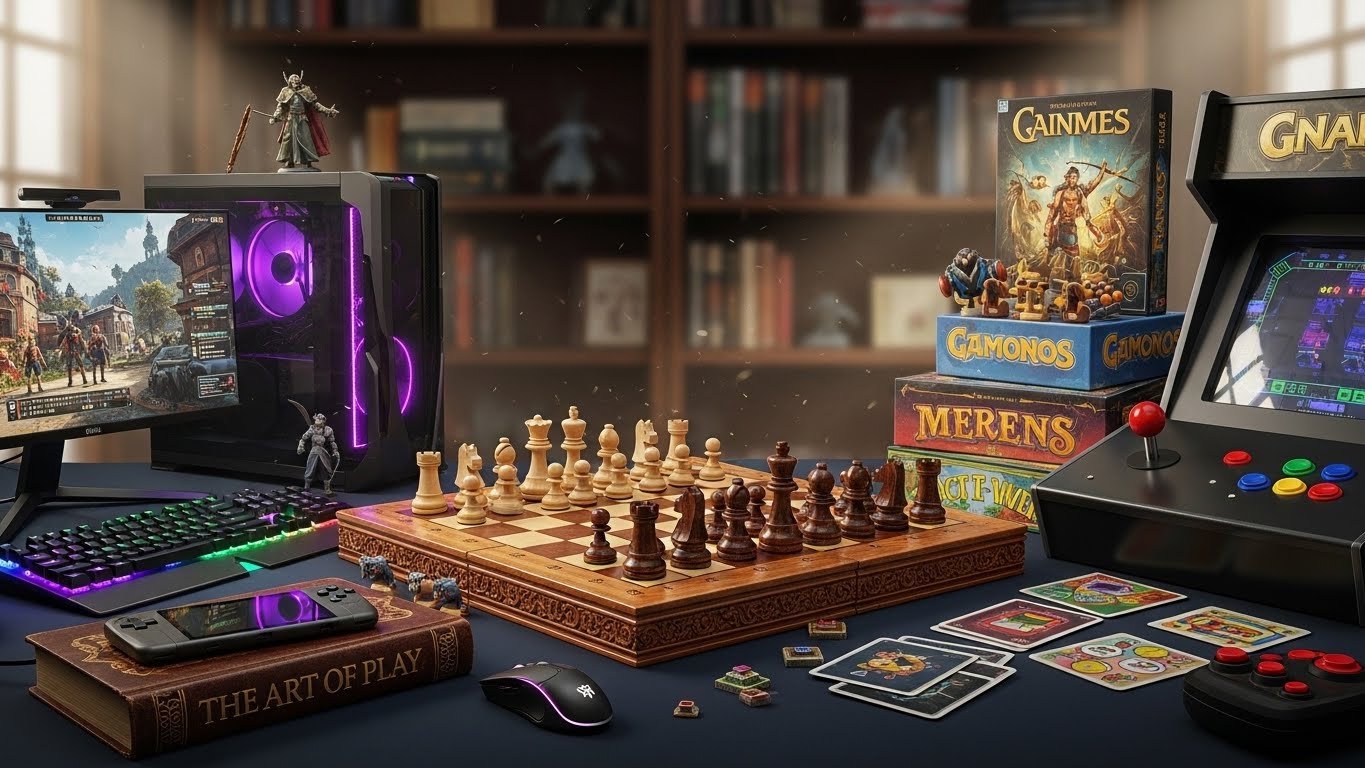
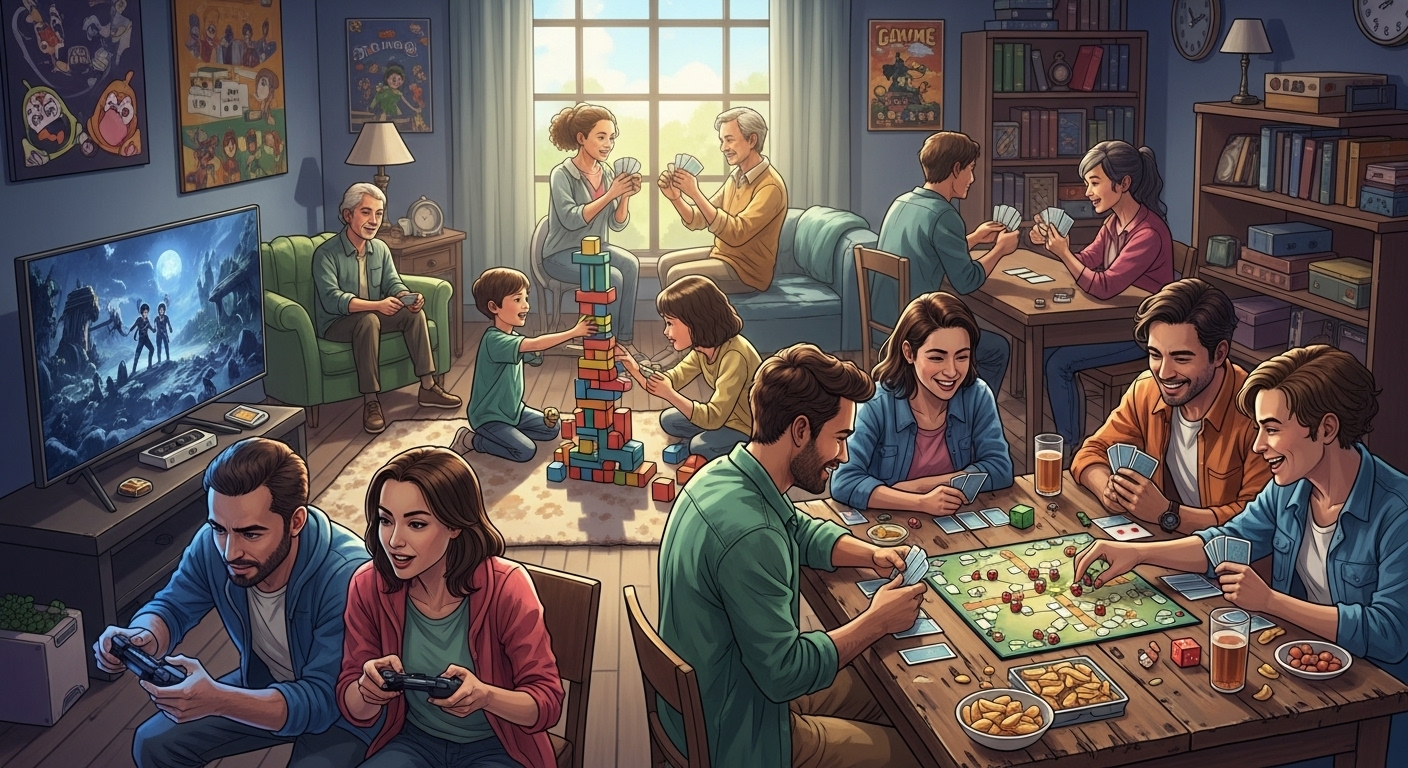
Games have evolved far beyond simple pastimes. From ancient board games to the complex digital universes of today, gaming has become a cultural, social, and even educational phenomenon. People of all ages engage with games to entertain themselves, challenge their minds, and connect with others. Games are no longer just hobbies; they are platforms that influence creativity, learning, and social interaction. This blog explores the impact of gaming on our lives, its cultural significance, and the reasons it continues to captivate millions worldwide.
A Brief History of Games
Gaming is as old as civilization itself. Early humans invented games like dice, chess, and mancala to pass time, develop strategic thinking, and socialize. The 20th century brought video games, starting with simple arcade machines, which quickly became global sensations. Iconic titles like Pac-Man, Tetris, and Super Mario laid the foundation for the gaming industry we know today. With the rise of personal computers and gaming consoles, games transitioned from niche entertainment to mainstream culture. Today, online multiplayer worlds and mobile games have made gaming accessible to virtually everyone.
The Psychological Appeal of Games
Games captivate people for several psychological reasons. They provide challenges, rewards, and a sense of achievement that keeps players engaged. The concept of progression, whether through leveling up characters, unlocking new abilities, or completing missions, satisfies the human desire for accomplishment. Games also offer escapism, allowing players to immerse themselves in alternative worlds where they can explore, create, and control outcomes. This combination of challenge, reward, and immersion explains why games can be so addictive and satisfying.
Gaming and Skill Development
Contrary to some stereotypes, gaming is not purely recreational. Many games require critical thinking, problem-solving, and strategic planning. Puzzle games improve logic and cognitive skills, while strategy games enhance decision-making under pressure. Multiplayer and cooperative games foster teamwork, communication, and leadership. Studies have also shown that certain games can improve spatial awareness, hand-eye coordination, and reaction times. Gaming, therefore, is not only entertaining but also a tool for mental development and skill acquisition.
Social Connections in Gaming
Modern games are inherently social. Online multiplayer games allow players to connect with friends and strangers worldwide, forming communities centered around shared interests. Gaming can help people build friendships, collaborate on challenges, and even develop social skills. Many gamers report that their online friends are as meaningful as those in real life. Competitive esports tournaments bring together millions of viewers and players, creating global networks and shared experiences. Games have become a unique way to connect, bridging distances and cultural differences.
The Rise of Esports
Esports, or competitive gaming, has grown from a niche hobby into a global phenomenon. Professional players compete in games like League of Legends, Dota 2, and Fortnite for large prizes and worldwide recognition. Esports events attract thousands of spectators and millions of online viewers, rivaling traditional sports in popularity. The industry has created new career paths, including professional players, coaches, analysts, and content creators. Esports demonstrates how games have evolved into a serious, skill-based form of competition that combines entertainment, strategy, and spectacle.
Gaming and Storytelling
Many games today are not just about winning or scoring points; they are rich storytelling mediums. Role-playing games and narrative-driven titles immerse players in complex worlds with deep characters and meaningful choices. Games like The Witcher, Red Dead Redemption, and The Last of Us are celebrated for their storytelling, rivaling films and novels in emotional impact. Players become active participants in these narratives, shaping the story through their actions. This interactive form of storytelling makes gaming a unique art form that engages players on multiple levels.
Mobile Gaming and Accessibility
Mobile gaming has transformed how people interact with games. Smartphones allow players to enjoy games anywhere, anytime, making gaming more accessible than ever before. Casual games, puzzle challenges, and social games appeal to a broad audience beyond traditional gamers. Mobile games have also introduced innovative mechanics such as augmented reality and location-based gaming, creating immersive experiences on the go. This accessibility has expanded the gaming audience, turning millions of ordinary people into regular players.
Gaming as a Learning Tool
Games are increasingly used as educational tools. Educational games teach subjects such as mathematics, language, and science in engaging and interactive ways. Simulation games allow students to experiment in realistic virtual environments, developing practical skills and problem-solving abilities. Even mainstream games can foster learning indirectly by encouraging strategic thinking, creativity, and collaboration. By blending entertainment and education, games have the potential to make learning more enjoyable and effective.
Gaming and Creativity
Games are not just about following rules; they often encourage creativity. Sandbox games like Minecraft, Roblox, and Animal Crossing give players freedom to design, build, and experiment. Players can construct virtual worlds, create art, and tell their own stories. Even game mods and custom content allow users to express themselves creatively while contributing to the community. Gaming, in this sense, becomes a platform for imaginative exploration, blurring the line between player and creator.
Gaming and Mental Health
While excessive gaming can be problematic, moderate gaming can positively impact mental health. Games can provide stress relief, emotional support, and social interaction. Immersive gameplay allows players to experience different perspectives, practice empathy, and develop coping skills. Multiplayer games encourage teamwork and belonging, which can reduce feelings of loneliness. As with any activity, balance is key, but gaming can be a powerful tool for relaxation, personal growth, and emotional well-being.
The Business of Gaming
The gaming industry is a multibillion-dollar global enterprise. From AAA titles produced by major studios to indie games developed by small teams, the industry combines creativity with business acumen. Marketing, in-game purchases, subscriptions, and merchandising all contribute to its profitability. The industry also fosters innovation, pushing technology forward with advanced graphics, artificial intelligence, and immersive experiences. As gaming continues to grow, it shapes not only entertainment but also the economy, technology, and culture.
The Future of Gaming
The future of gaming promises even more innovation and immersion. Virtual reality and augmented reality are creating fully immersive experiences where players can interact with virtual worlds in realistic ways. Artificial intelligence will enable smarter, more dynamic game worlds that respond to player actions. Cloud gaming and streaming will make high-quality games accessible without expensive hardware. Despite technological changes, the core of gaming—challenge, creativity, and social connection—will remain at the heart of the experience.
Gaming as a Cultural Phenomenon
Games have become an integral part of modern culture. They influence fashion, language, music, and even lifestyle choices. Gaming conventions, online communities, and fan art reflect the cultural impact of games. Popular games inspire memes, cosplay, and discussions that extend beyond the screen. Games have transformed from niche hobbies to cultural milestones, shaping how people interact, express themselves, and understand the world.
Conclusion: More Than Just Play
Gaming is no longer a simple pastime; it is a multifaceted phenomenon that shapes culture, fosters skills, and creates connections. Whether through storytelling, competition, creativity, or social interaction, games enrich lives in countless ways. They challenge us, inspire us, and bring people together across borders and generations. As technology evolves, games will continue to grow in influence, offering new experiences and opportunities. Ultimately, gaming is a reflection of human curiosity, imagination, and the universal desire to play, learn, and connect.