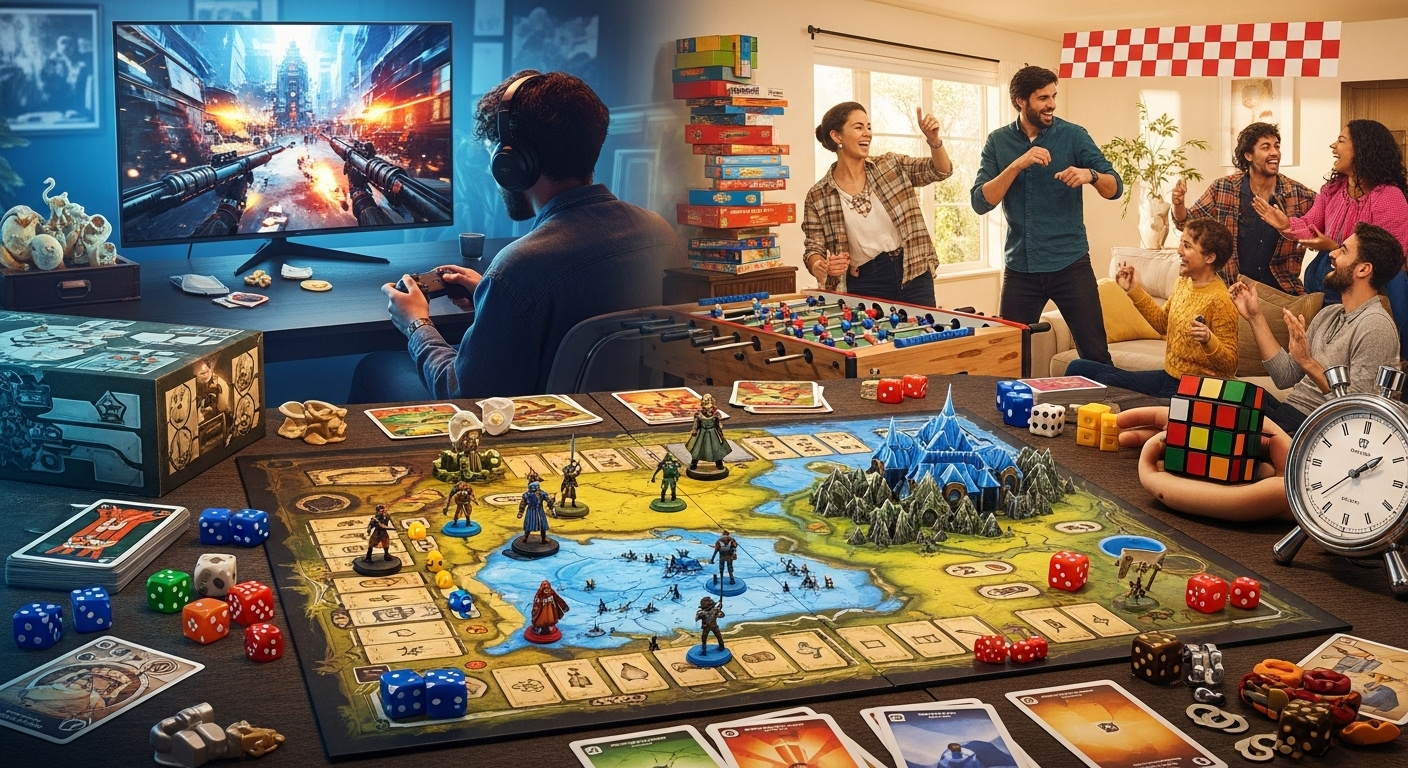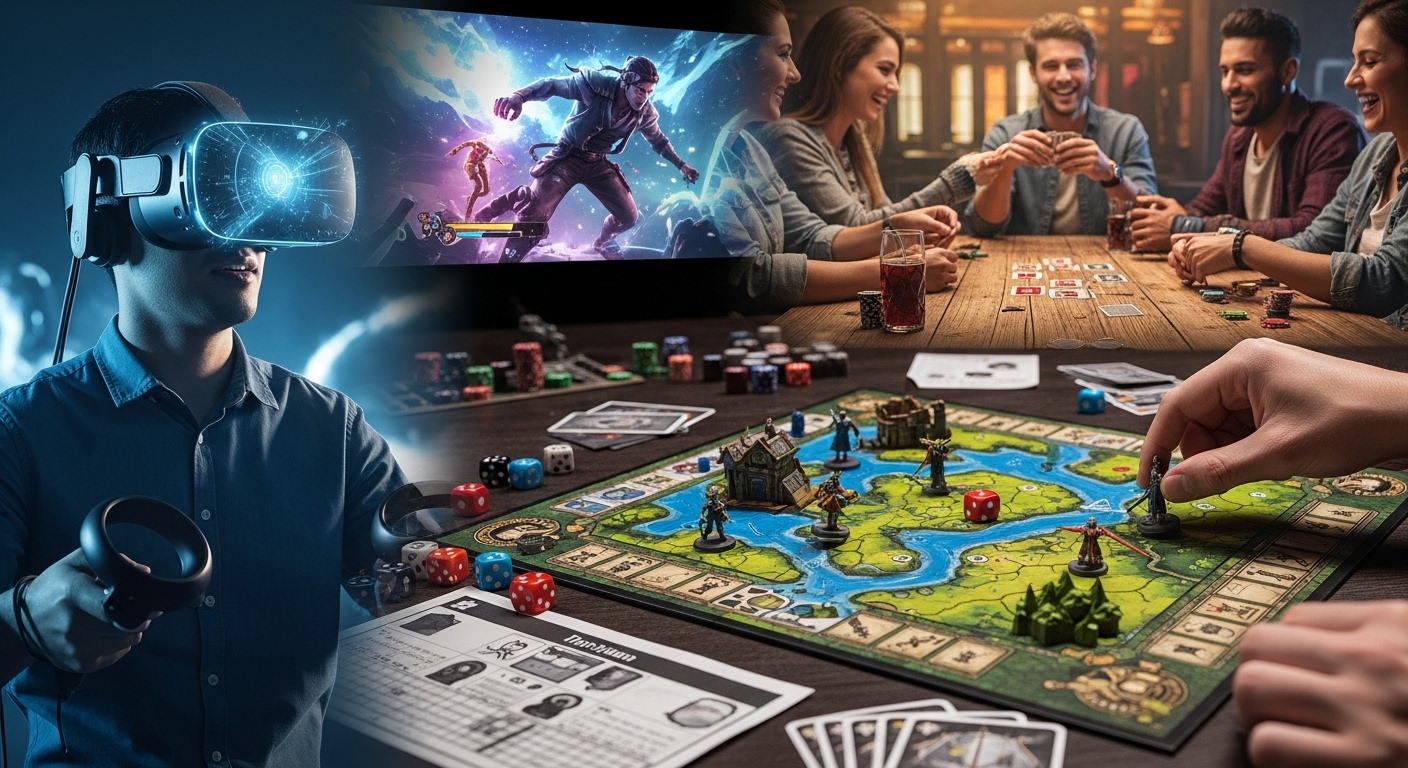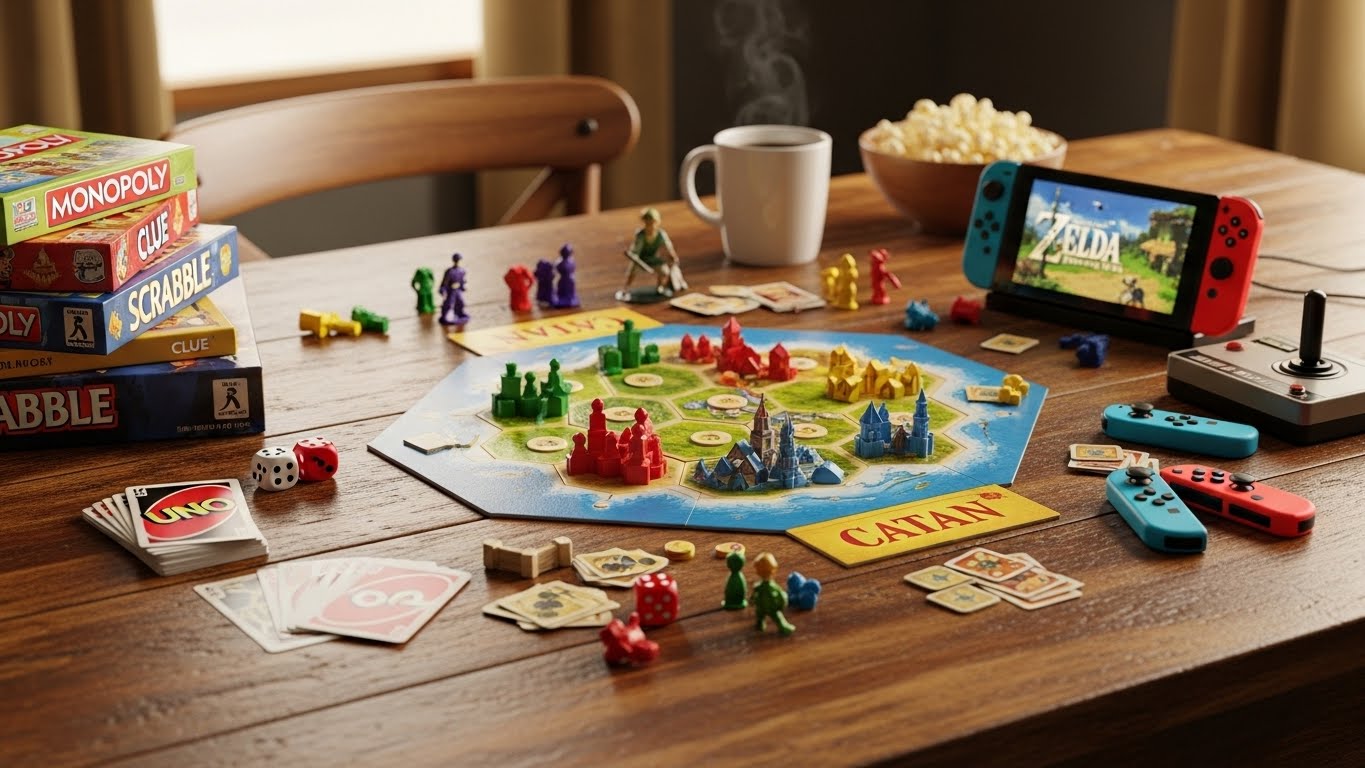
Games have always been part of human history, long before technology transformed them into digital experiences. From ancient board games carved into stone to expansive virtual worlds rendered in stunning detail, games have evolved alongside humanity itself. Today, games are not just a form of entertainment; they are a powerful medium for storytelling, learning, social interaction, and innovation. They influence how people think, communicate, and even understand the world around them.
This blog explores the journey of games from their origins to their modern forms, examining their cultural importance, psychological impact, technological evolution, and the role they play in shaping the future.
The Origins of Games in Human Civilization
Games existed long before electricity, screens, or computers. They emerged naturally from human curiosity, competition, and creativity.
Ancient Games and Early Play
Archaeological evidence shows that early civilizations played games as far back as five thousand years ago. Board games like Senet in ancient Egypt and strategy-based games in Mesopotamia were not only forms of entertainment but also reflections of spiritual beliefs and social structures. These games encouraged strategic thinking and were often associated with status and education.
Traditional and Cultural Games
Across different cultures, games became part of traditions and celebrations. Physical games tested strength and endurance, while mental games challenged intelligence and patience. Many of these traditional games are still played today, passed down through generations as cultural heritage.
The Social Role of Early Games
Games helped people connect, resolve conflicts, and build relationships. They created shared experiences that strengthened communities, making play a fundamental human activity rather than a luxury.
The Evolution into Modern Games
As societies advanced, games evolved in form, complexity, and purpose.
The Rise of Board and Card Games
With the development of printing and manufacturing, board and card games became widely accessible. Games like chess, checkers, and later family board games encouraged logical thinking, planning, and social interaction. These games became staples in households, schools, and social gatherings.
Sports as Organized Games
Sports emerged as structured games with rules, competitions, and professional systems. Football, cricket, basketball, and other sports created global communities of fans and athletes. Sports games introduced discipline, teamwork, and national identity into the concept of play.
The Digital Game Revolution
The introduction of computers and consoles changed gaming forever. Early digital games were simple, but they laid the groundwork for a massive industry. Over time, digital games evolved into complex systems with detailed graphics, immersive sound, and rich storytelling.
Types of Games in the Modern World
Games today exist in many forms, offering something for everyone regardless of age or interest.
Video Games and Interactive Worlds
Video games allow players to explore virtual worlds, take on different roles, and experience stories interactively. Genres range from action and adventure to simulation and role-playing. These games often combine visual art, music, writing, and technology into a single experience.
Mobile and Casual Games
Mobile games have made gaming more accessible than ever. They are designed for short sessions and appeal to a wide audience. These games fit seamlessly into daily life, offering entertainment during breaks or travel.
Board Games and Tabletop Experiences
Despite digital dominance, board games have seen a resurgence. Modern board games offer deep strategies, cooperative gameplay, and creative themes. They encourage face-to-face interaction and shared problem-solving.
Educational and Puzzle Games
Educational games blend learning with play. They help develop skills such as memory, logic, and creativity. Puzzle games challenge the mind, offering satisfaction through problem-solving and achievement.
Games as a Cultural Influence
Games play a significant role in shaping modern culture.
Storytelling Through Games
Many games tell complex stories with emotional depth. Unlike movies or books, games allow players to influence the narrative. Choices matter, and outcomes can change based on player decisions, creating a personal connection to the story.
Representation and Identity
Games increasingly feature diverse characters and perspectives. Players can see themselves represented in game worlds, which fosters inclusion and empathy. This representation helps games become a platform for cultural expression.
Influence on Art and Media
Game aesthetics influence fashion, music, film, and digital art. Iconic characters and game soundtracks have become part of popular culture, inspiring creativity across multiple industries.
The Technology Behind Games
Technological advancements are the driving force behind the evolution of games.
Graphics and Realism
Modern games use advanced graphics technology to create realistic environments and characters. Lighting, textures, and animations enhance immersion, making virtual worlds feel alive.
Artificial Intelligence in Gameplay
Artificial intelligence controls non-player characters and adapts gameplay to player behavior. Smarter AI creates more challenging and engaging experiences, ensuring that games remain interesting over time.
Virtual and Augmented Reality
Virtual reality allows players to step inside a game world, while augmented reality blends digital elements with the real world. These technologies are redefining what it means to play a game, offering deeper immersion and new forms of interaction.
Cloud-Based Gaming
Cloud technology allows players to access games without powerful hardware. This increases accessibility and reduces barriers, making gaming more inclusive for people around the world.
The Social Impact of Games
Games are powerful tools for social connection and personal development.
Building Communities
Multiplayer games bring people together across borders and cultures. Players form teams, friendships, and communities that extend beyond the game itself. These connections often become meaningful social bonds.
Communication and Teamwork
Many games require cooperation and communication. Players learn to work together, strategize, and support each other, developing skills that are valuable in real-life situations.
Mental Health and Emotional Benefits
Games can provide relaxation, stress relief, and emotional expression. They offer a sense of achievement and control, which can be beneficial for mental well-being when balanced responsibly.
The Economic Power of the Gaming Industry
The gaming industry has grown into a major global economic force.
Industry Growth and Revenue
Games generate revenue through sales, subscriptions, in-game purchases, and events. The industry continues to grow rapidly, driven by innovation and expanding audiences.
Careers and Opportunities
Gaming has created careers beyond playing. Developers, artists, writers, designers, marketers, and content creators all contribute to the ecosystem. Independent creators also have opportunities to share their ideas with global audiences.
Competitive Gaming and Events
Competitive gaming has transformed play into professional competition. Large-scale tournaments attract audiences worldwide, creating new forms of entertainment and career paths.
Challenges in the World of Games
Despite its success, the gaming world faces several challenges.
Balancing Play and Responsibility
Excessive gaming can lead to health issues and social isolation. Encouraging moderation and balance is essential for maintaining a healthy relationship with games.
Online Behavior and Safety
Negative behavior in online games remains a concern. Creating safe, respectful environments is an ongoing effort involving developers and communities.
Accessibility and Inclusion
Ensuring that games are accessible to players with different abilities and backgrounds is an important goal. Inclusive design helps make games enjoyable for everyone.
The Future of Games
The future of games is full of possibility and innovation.
More Immersive Experiences
Games will continue to blur the line between reality and imagination. Advanced technology will create experiences that feel more personal and interactive than ever before.
Personalized Gameplay
Games will adapt more closely to individual players, offering customized challenges, stories, and experiences based on preferences and behavior.
Games Beyond Entertainment
Games will increasingly be used in education, training, and social development. Their ability to engage and motivate makes them powerful tools beyond traditional entertainment.
Conclusion: Games as a Reflection of Humanity
Games are more than a way to pass time. They reflect human creativity, curiosity, and the desire to connect. From ancient board games to digital universes, games have evolved into a language that transcends age, culture, and geography.
They teach, entertain, challenge, and inspire. As technology continues to advance, games will remain a central part of human expression, shaping how people learn, communicate, and imagine the future.
In a world that is constantly changing, games offer a space where creativity thrives and connections are formed. They remind us that play is not just for fun, but a fundamental part of what makes us human.