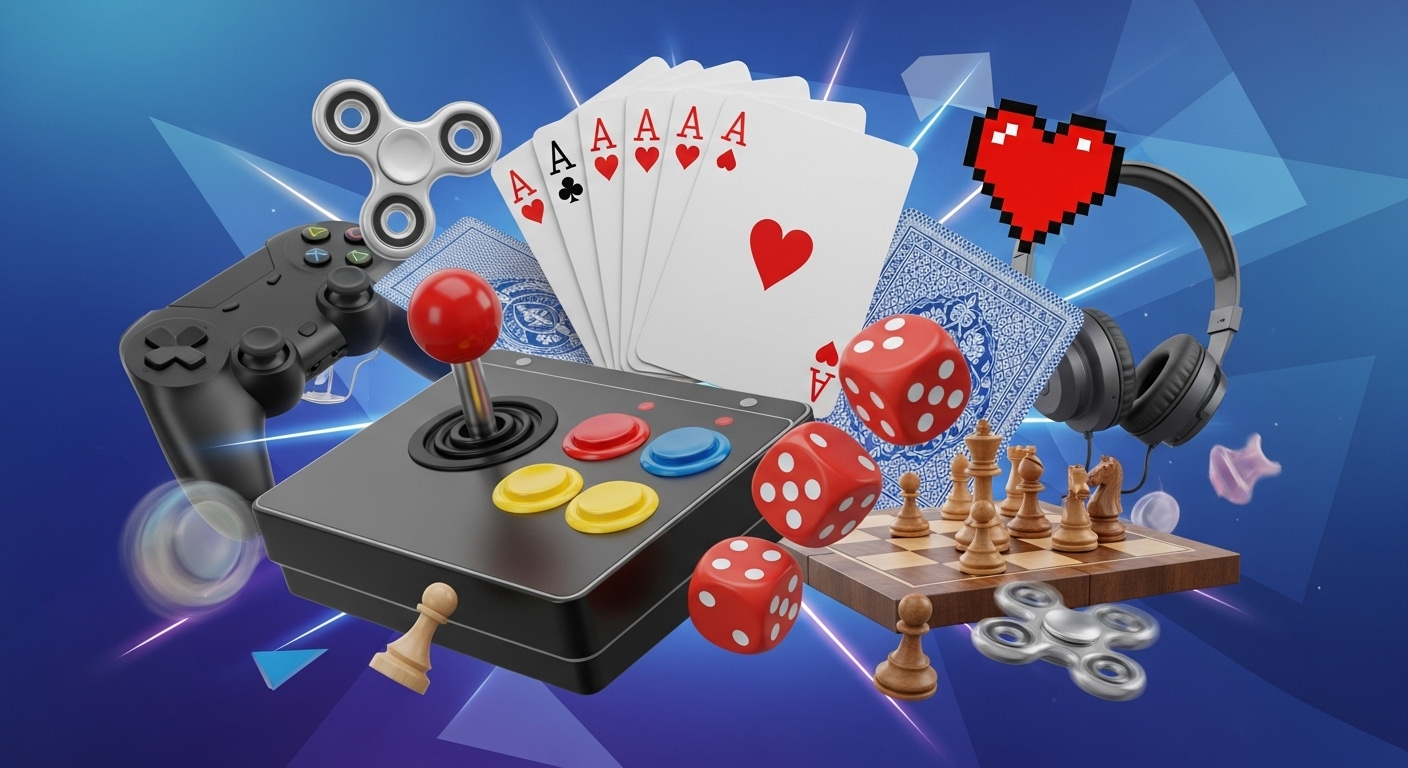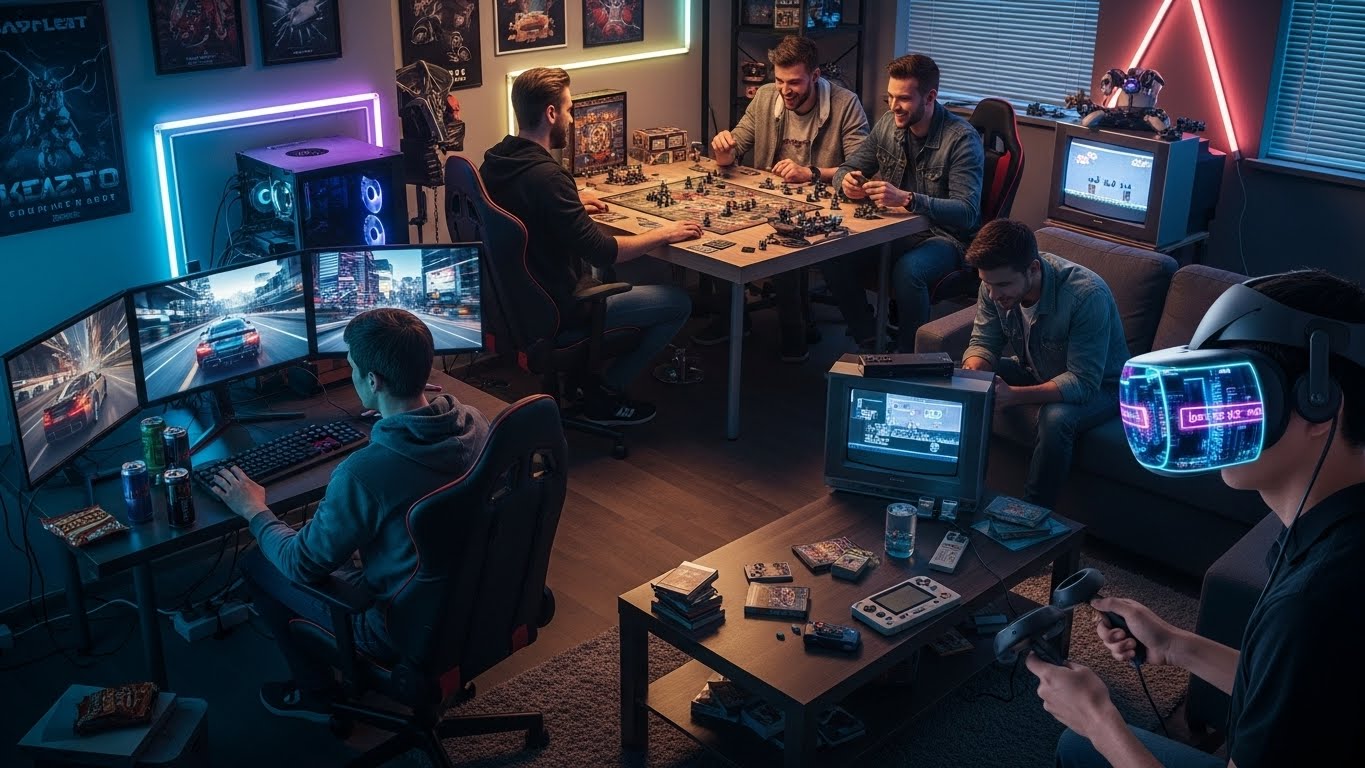
Games have always been more than mere pastimes. They are a reflection of human creativity, strategy, competition, and social interaction. From traditional board games and sports to modern video games and immersive digital experiences, games occupy a central role in culture, entertainment, and technology. They entertain, challenge, educate, and even unite people across the globe.
In today’s fast-paced world, games have evolved into a multifaceted industry that influences economies, inspires innovation, and shapes communities. This blog explores the history of games, their cultural impact, technological evolution, economic significance, social benefits, challenges, and the future of gaming.
The Historical Evolution of Games
Games have a rich history spanning centuries, reflecting both social customs and technological progress.
Ancient and Traditional Games
Long before digital entertainment, humans engaged in games to socialize, strategize, and compete. Ancient civilizations created board games like Senet in Egypt and Go in China, which combined strategy, skill, and cultural significance. Traditional sports such as wrestling, archery, and ball games fostered teamwork and physical fitness while serving ceremonial and recreational purposes.
Medieval and Renaissance Games
During medieval times, games such as chess gained popularity across Europe and the Middle East. Chess, originating in India, spread globally and became a symbol of intellectual skill and strategy. Card games and early dice games also emerged, blending chance and strategy in recreational settings.
The Birth of Modern Games
The industrial era introduced mass-produced board games and the first organized sports leagues. Monopoly, Scrabble, and card-based games became household staples, while football, cricket, and baseball evolved into professional sports that entertained communities and inspired national pride.
Types of Modern Games
Modern games are incredibly diverse, offering experiences for a wide range of audiences.
Video Games and Digital Entertainment
Video games are a cornerstone of modern gaming. They include genres like action, role-playing, simulation, adventure, and strategy. Titles such as The Legend of Zelda, Final Fantasy, and Fortnite offer immersive worlds, challenging gameplay, and opportunities for social interaction. Online multiplayer games connect millions globally, fostering teamwork, competition, and creativity.
Board Games and Card Games
Despite technological advancements, traditional board and card games remain popular. Monopoly, chess, Catan, and poker engage players intellectually and socially, offering tactile experiences that digital games cannot replicate.
Sports and Physical Games
Physical games continue to captivate audiences worldwide. Soccer, basketball, tennis, and track and field encourage physical fitness, discipline, and competition. Sports foster community, teach teamwork, and provide platforms for professional achievement and national pride.
Puzzle and Educational Games
Puzzle games, both digital and traditional, enhance critical thinking, problem-solving, and cognitive skills. Educational games teach concepts in a fun, interactive way, combining learning with entertainment for children and adults alike.
Cultural and Social Impact of Games
Games do more than entertain—they influence culture, social structures, and interpersonal relationships.
Building Community
Games create communities where players connect over shared interests. Online forums, gaming clans, and local board game groups foster friendships, collaboration, and mentorship. Social interaction through gaming builds bonds and strengthens communication skills.
Influencing Pop Culture
Games shape trends in music, fashion, and media. Iconic characters, in-game events, and game-inspired content influence movies, television, merchandise, and art, making gaming a central element of modern culture.
Education and Skill Development
Games develop cognitive, strategic, and social skills. Strategy games teach planning and decision-making, cooperative games encourage teamwork, and puzzle games improve logic and reasoning. Educational games make learning interactive, reinforcing concepts in enjoyable ways.
Promoting Diversity and Inclusion
Modern games increasingly reflect diverse characters, narratives, and perspectives. Inclusive game design encourages representation, allowing players from different backgrounds to see themselves reflected in the games they play.
Technological Advancements in Gaming
Technology has propelled games into new realms of possibility, transforming how they are played, experienced, and shared.
Graphics and Immersive Environments
High-definition graphics, realistic physics, and lifelike animations create immersive gaming experiences. Advanced visual and audio design engages players emotionally and cognitively, making games feel more realistic and interactive than ever.
Virtual and Augmented Reality
Virtual reality (VR) and augmented reality (AR) bring new dimensions to gaming. VR allows players to enter fully interactive digital worlds, while AR integrates digital elements into the real world. These technologies enhance gameplay and open possibilities for education, training, and social interaction.
Cloud Gaming and Accessibility
Cloud gaming enables high-quality gaming on low-spec devices, removing hardware barriers and allowing wider access. Players can stream games on consoles, PCs, and mobile devices, creating a more flexible and inclusive gaming ecosystem.
Artificial Intelligence
AI enhances non-player characters, adapts difficulty levels, and generates dynamic narratives. Smart AI creates challenging, responsive, and personalized experiences that keep players engaged over time.
Economic Significance of Gaming
The gaming industry is a major global economic driver, generating revenue, creating jobs, and stimulating technological innovation.
Market Growth
Gaming is a multi-billion-dollar industry, surpassing other entertainment sectors in revenue. Sales come from video games, board games, merchandise, downloadable content, and subscriptions, contributing to sustained growth.
Professional Gaming and Esports
Esports has transformed gaming into a professional career path. Major tournaments offer substantial prize pools, sponsorships, and international recognition. Professional gamers, coaches, analysts, and broadcasters form a growing sector comparable to traditional sports.
Game Development and Employment
The industry provides employment in programming, design, animation, writing, marketing, and sound engineering. Game studios, publishing companies, and independent developers drive innovation while supporting a wide range of professional roles.
Supporting Industries
Gaming fuels ancillary sectors, including hardware manufacturing, streaming platforms, media production, and online content creation. This economic ecosystem sustains innovation, employment, and technological progress.
Social and Psychological Benefits of Gaming
Games contribute to mental, emotional, and social development, offering benefits beyond entertainment.
Cognitive Development
Games enhance problem-solving, memory, multitasking, and spatial reasoning. Strategic and puzzle games challenge the brain, improving analytical and logical thinking skills.
Emotional and Stress Relief
Playing games provides a safe outlet for stress, frustration, and emotional expression. Engaging with immersive worlds or social gameplay helps players relax and unwind.
Teamwork and Social Skills
Cooperative games teach collaboration, communication, and leadership. Players develop social skills and learn to work effectively in group settings, both virtually and in-person.
Motivation and Goal Setting
Games provide clear objectives, challenges, and rewards. This structure encourages perseverance, goal-setting, and strategic thinking, fostering resilience and focus.
Challenges in the Gaming Industry
While gaming offers numerous benefits, it also faces challenges that require careful attention.
Addiction and Overuse
Excessive gaming can lead to physical and mental health issues, including eye strain, poor posture, disrupted sleep, and social isolation. Encouraging balance is crucial for maintaining health and well-being.
Toxicity and Online Harassment
Online multiplayer games sometimes host toxic behaviors, including bullying, cheating, and harassment. Developers and communities are implementing tools and policies to promote safe and inclusive environments.
Intellectual Property and Piracy
Unauthorized game distribution threatens revenue and innovation. Protecting intellectual property while ensuring accessibility remains a delicate balance.
Representation and Diversity
Despite progress, the industry still faces challenges in representing diverse characters, narratives, and creators. Efforts continue to make gaming more inclusive for all audiences.
The Future of Gaming
The gaming industry is poised for further innovation, with exciting possibilities on the horizon.
Immersive Experiences
Virtual and augmented reality will become more mainstream, offering deeply immersive gameplay experiences that blend digital and physical worlds.
Artificial Intelligence Integration
AI will create smarter, more adaptive gameplay, offering personalized challenges and unique storylines that evolve with player choices.
Expansion of Esports
Esports will gain broader recognition, with professional leagues, sponsorships, and mainstream media coverage expanding opportunities for players and organizations.
Cross-Platform and Cloud Gaming
Cloud-based and cross-platform gaming will remove hardware limitations, uniting communities and allowing players to engage seamlessly across devices.
Cultural and Global Impact
Gaming will continue to influence culture, storytelling, and social interaction worldwide. It will remain a platform for creativity, learning, and global collaboration, connecting people across borders.
Conclusion: Games as a Force for Innovation and Connection
Games are more than entertainment—they are a cultural, technological, and social phenomenon that influences the way people think, interact, and innovate. From ancient board games to modern video games and esports, gaming has evolved into a dynamic industry with economic, educational, and cultural significance.
The future of gaming promises deeper immersion, more diverse experiences, and stronger global communities. By embracing responsible gaming practices, inclusivity, and technological innovation, the industry can continue to enrich lives, inspire creativity, and connect people worldwide.
Gaming is not just a hobby; it is a transformative force that combines strategy, storytelling, technology, and social connection. It challenges the mind, nurtures creativity, and entertains billions, proving that the world of games is as impactful as it is engaging.