Introduction: The Allure of Games
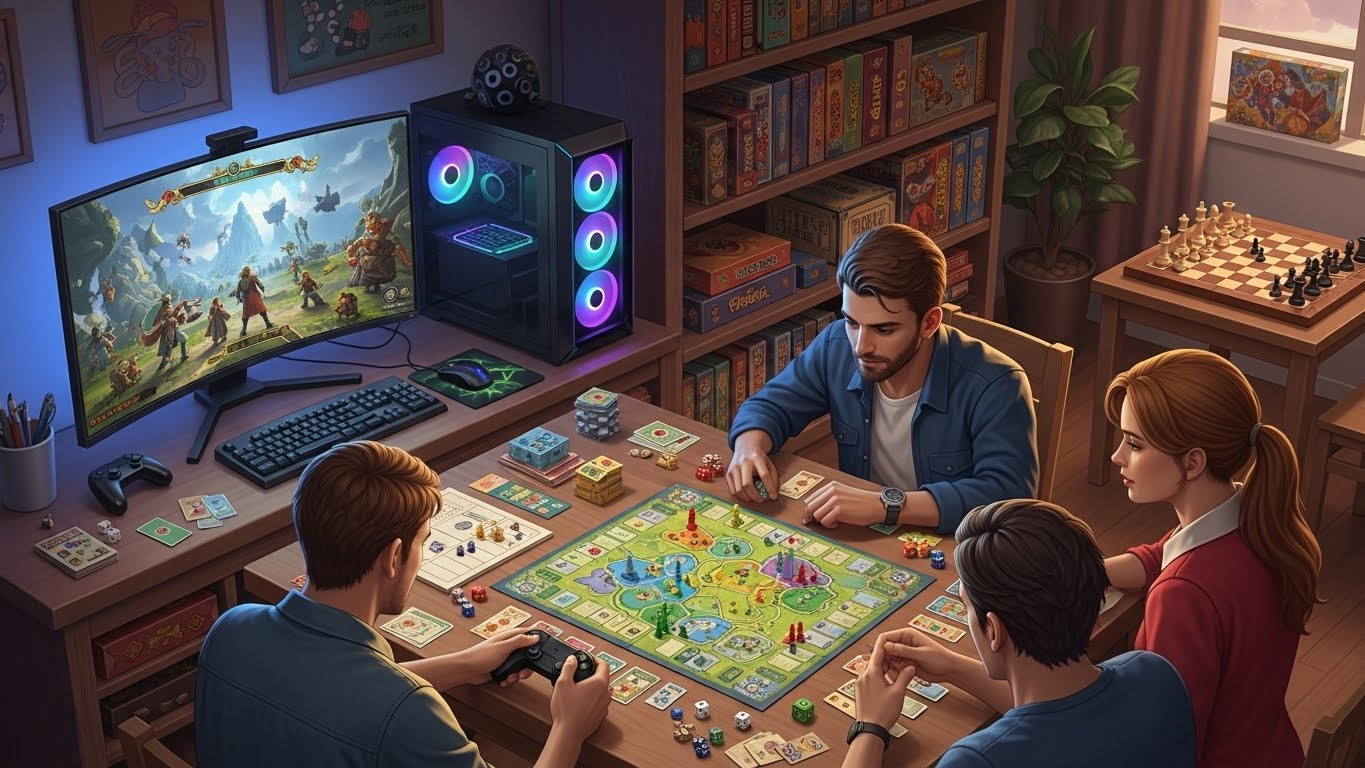
Games have been an integral part of human culture for centuries. They provide more than mere entertainment; they challenge the mind, foster social interaction, and spark creativity. From traditional board games to modern video games, the scope and variety of games are vast, catering to every age group and interest. Games are not just pastimes—they are experiences that push players to think strategically, act quickly, and collaborate effectively.
The diversity in games today is extraordinary. Some are designed to relax and entertain, while others stimulate cognitive skills or test physical endurance. With technological advancements, games have transcended physical boundaries and now thrive in digital spaces, offering immersive experiences that were once unimaginable.
The Evolution of Games
Games have evolved alongside human civilization. In ancient times, games like chess, Go, and backgammon were developed not just for fun but as exercises in strategy and intellect. These games required careful planning, foresight, and tactical thinking, shaping the way players approached problem-solving.
As societies progressed, recreational games expanded into outdoor sports such as football, cricket, and basketball. These games promoted teamwork, coordination, and physical fitness while becoming cultural phenomena in their own right. The essence of gaming remained unchanged: challenge, enjoyment, and engagement.
The modern era introduced electronic gaming, changing the landscape dramatically. Video games offered dynamic storytelling, realistic graphics, and interactive gameplay. They created entirely new worlds for players to explore, often blending elements of adventure, strategy, and role-playing into single experiences. Today, the gaming industry is a global powerhouse, captivating millions of players worldwide and fostering communities that transcend geographical boundaries.
Categories of Games
Understanding the different types of games helps appreciate their unique contributions to human experience. Games can be broadly categorized into several types based on their mechanics, objectives, and platforms.
Board Games
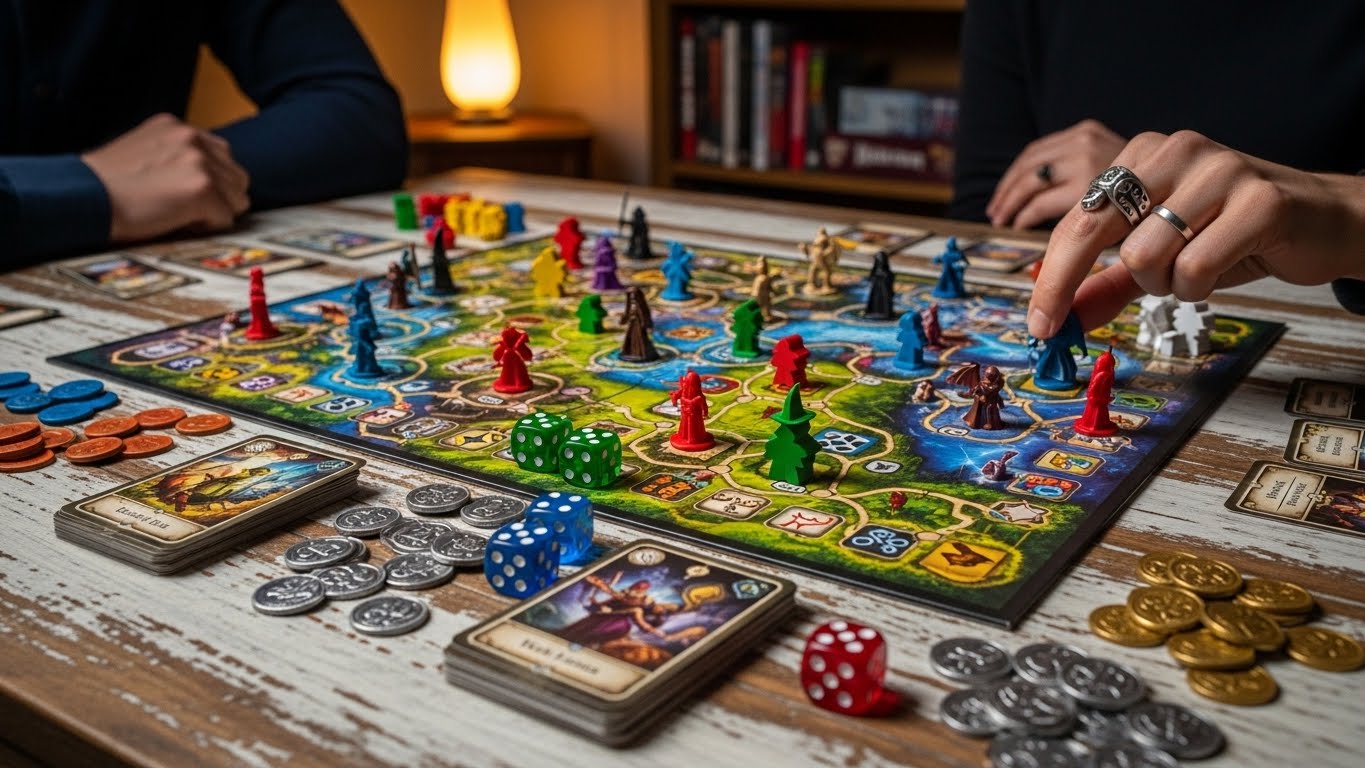
Board games are one of the oldest forms of structured play. Classic games like Monopoly, Scrabble, and Risk have stood the test of time. These games focus on strategy, negotiation, and resource management, offering players mental stimulation and social interaction. Modern board games have evolved to include cooperative gameplay, storytelling, and thematic adventures, providing richer and more immersive experiences.
Card Games
Card games, such as poker, bridge, and Magic: The Gathering, combine strategy, luck, and skill. They challenge players to analyze probabilities, predict opponents’ moves, and make strategic decisions under pressure. The compact nature of card games makes them accessible and portable, contributing to their enduring popularity.
Video Games
Video games encompass a vast range of genres, from action-packed shooters to contemplative puzzle games. Role-playing games allow players to step into fictional worlds, adopting characters and navigating complex narratives. Adventure games emphasize exploration and problem-solving, while simulation games replicate real-world scenarios, from running a city to managing a farm. Video games are unique in their ability to merge storytelling, art, and interactivity, offering experiences that are both entertaining and intellectually engaging.
Sports and Physical Games
Sports games combine physical skill with strategic thinking. Football, basketball, tennis, and countless other sports require not just athletic ability but also teamwork, tactical planning, and adaptability. These games foster discipline, perseverance, and camaraderie among players. Physical games are also crucial for promoting health and well-being, making them a vital part of education and community life.
Puzzle and Brain Games
Puzzle games, such as crosswords, Sudoku, and escape room challenges, stimulate cognitive function and enhance problem-solving abilities. These games encourage logical thinking, pattern recognition, and attention to detail. They are particularly popular among individuals seeking mental stimulation and stress relief. The appeal of puzzle games lies in their ability to provide a sense of accomplishment upon solving a challenging problem.
Multiplayer and Online Games
The rise of the internet revolutionized gaming by enabling multiplayer experiences across the globe. Online games allow players to collaborate, compete, and communicate in real time, creating vibrant virtual communities. Massive multiplayer online role-playing games offer expansive worlds with intricate storylines and cooperative objectives. Online gaming has also introduced esports, turning competitive gaming into a professional pursuit, with tournaments attracting millions of spectators.
Why Games Matter: The Benefits Beyond Fun
Games are much more than entertainment; they offer numerous cognitive, emotional, and social benefits.
Mental Stimulation and Problem Solving
Many games require players to strategize, plan ahead, and adapt to changing situations. Chess, for example, is celebrated for enhancing critical thinking and foresight. Puzzle games challenge the mind to find solutions, promoting creativity and analytical reasoning. Regular engagement in such games can improve memory, concentration, and decision-making skills.
Social Interaction and Teamwork
Multiplayer games and team sports cultivate collaboration, communication, and leadership skills. Players learn to coordinate their efforts, anticipate others’ actions, and manage conflicts. Online communities provide a sense of belonging, where players share strategies, achievements, and experiences, forming bonds that often extend beyond the virtual world.
Stress Relief and Emotional Well-Being
Games offer an escape from daily stressors, providing relaxation and emotional satisfaction. Engaging in immersive gameplay or solving challenging puzzles triggers positive emotions, enhancing mood and reducing anxiety. Games also encourage a healthy sense of competition and achievement, boosting self-esteem and confidence.
Creativity and Imagination
Certain games, particularly role-playing and sandbox games, foster creativity by allowing players to design worlds, craft stories, and experiment with ideas. These games nurture imaginative thinking and encourage players to approach problems in innovative ways. Creative gaming experiences often translate into enhanced creativity in real-life problem-solving and artistic expression.
The Future of Gaming
The gaming industry continues to evolve at a remarkable pace. Emerging technologies, such as virtual reality, augmented reality, and artificial intelligence, are transforming how players experience games. Virtual reality immerses players in three-dimensional worlds, offering unparalleled realism and interactivity. Augmented reality blends digital elements with the physical environment, creating hybrid experiences that expand the boundaries of traditional gameplay. Artificial intelligence enhances game design by creating adaptive opponents, personalized experiences, and dynamic storylines.
The future of gaming also emphasizes inclusivity and accessibility. Developers are increasingly designing games that cater to diverse audiences, including individuals with disabilities. Games are becoming more inclusive in representation, narrative themes, and gameplay mechanics, ensuring that everyone can enjoy and benefit from interactive experiences.
Conclusion: More Than Just Play
Games are a reflection of human creativity, intelligence, and social nature. They entertain, challenge, and inspire players while fostering cognitive growth, social connections, and emotional well-being. From ancient board games to cutting-edge virtual experiences, games have always held a special place in our lives.
The beauty of games lies in their universality. They transcend age, culture, and background, uniting people through shared experiences and challenges. Whether through the thrill of competition, the satisfaction of problem-solving, or the joy of storytelling, games continue to captivate hearts and minds. They are not just pastimes but powerful tools that shape our thinking, behavior, and imagination.
In a world that is constantly changing, games remain a constant source of entertainment, education, and connection. They remind us that learning, growth, and fun can coexist in harmony. As technology advances and creativity flourishes, the world of games promises to offer even more immersive, exciting, and meaningful experiences for generations to come.