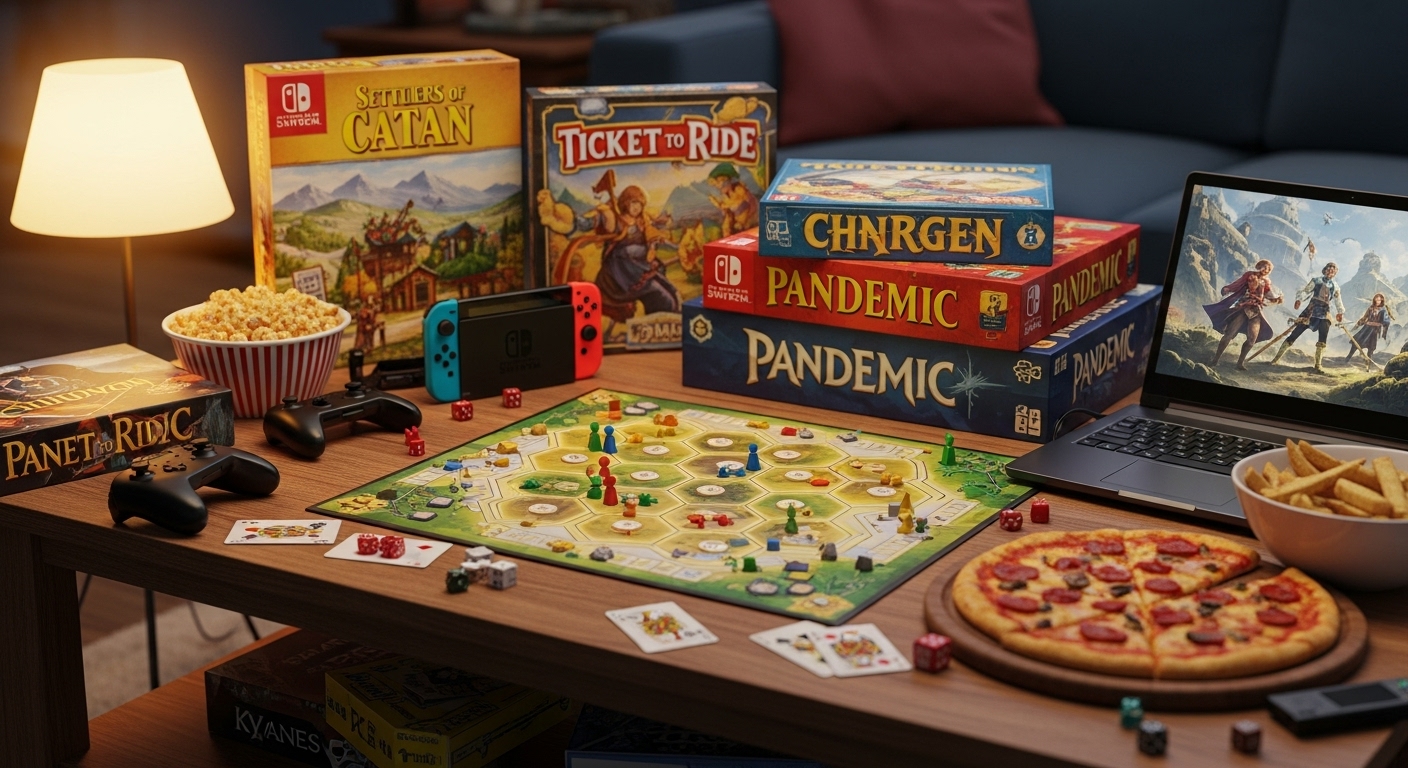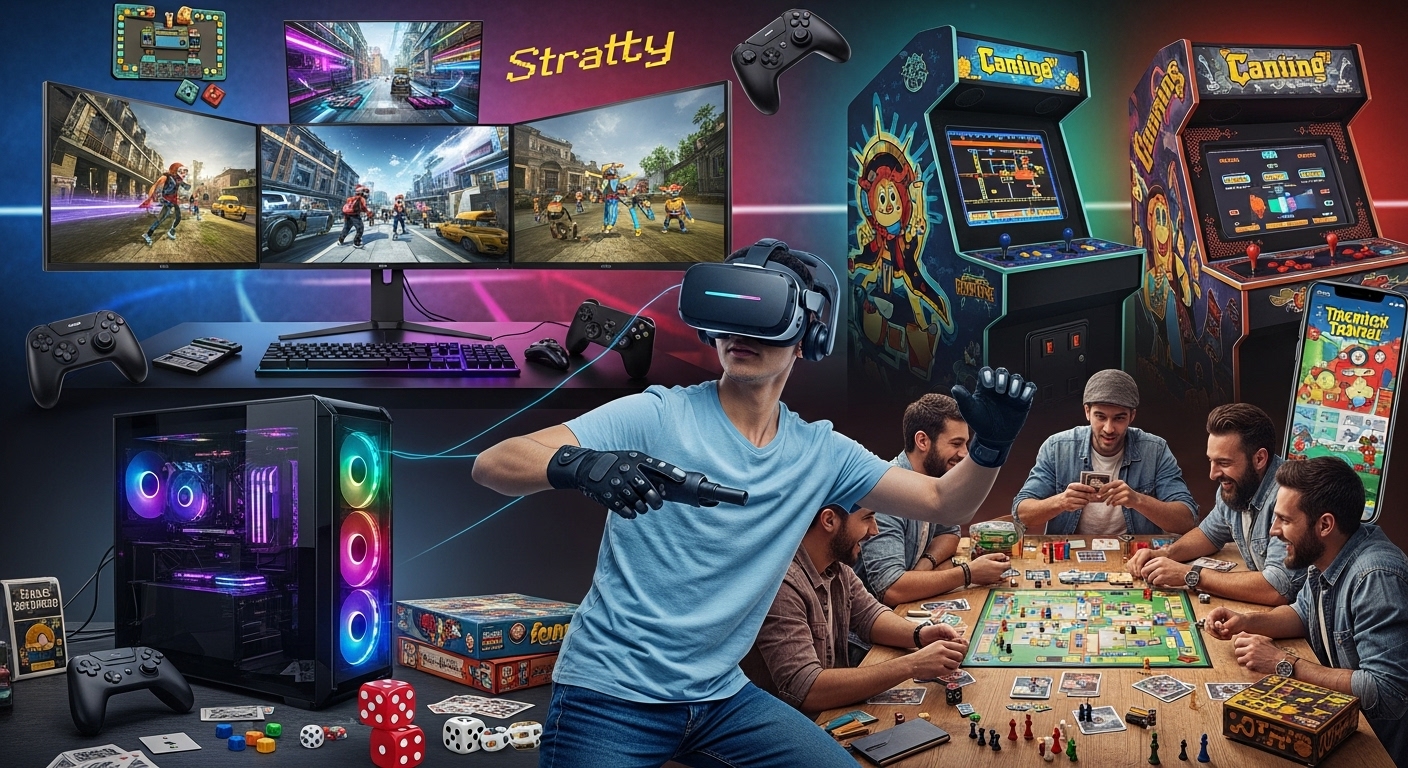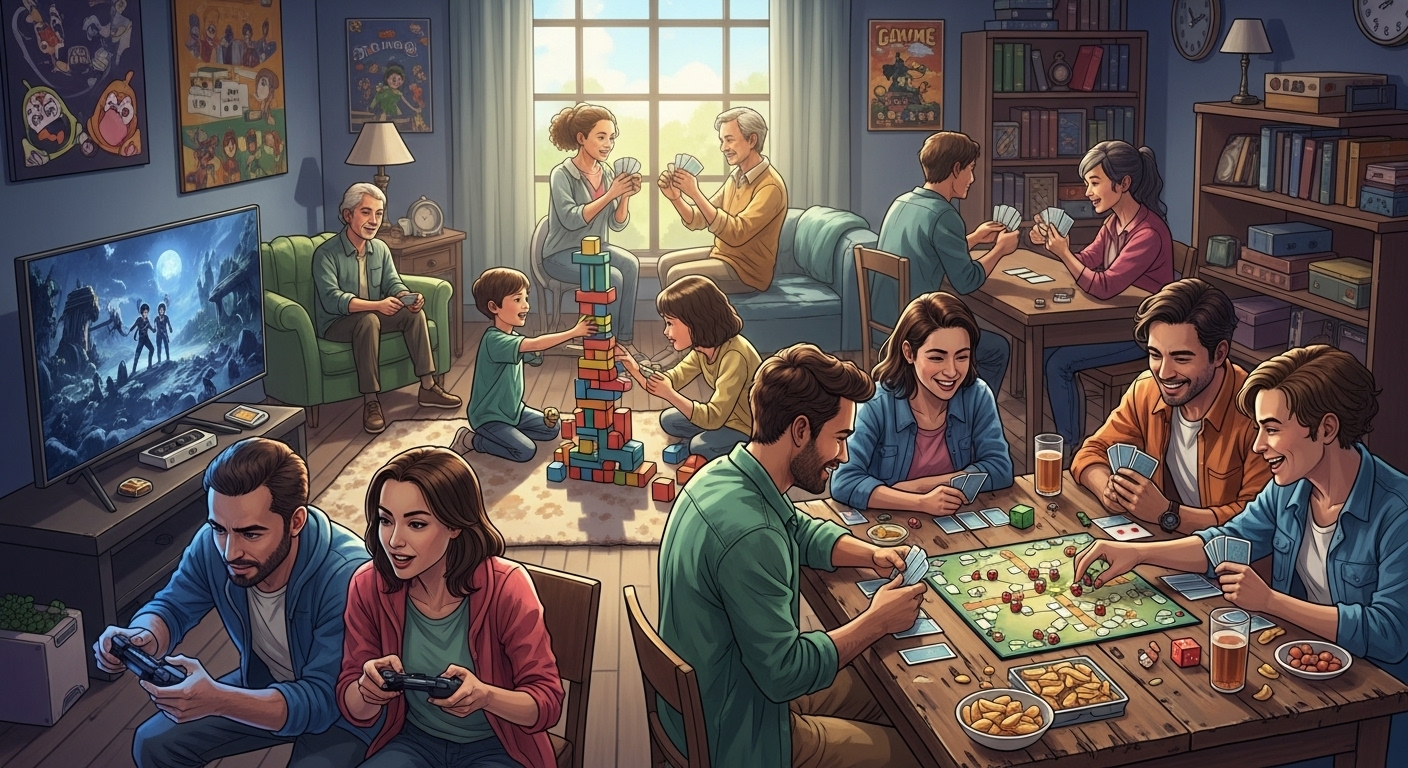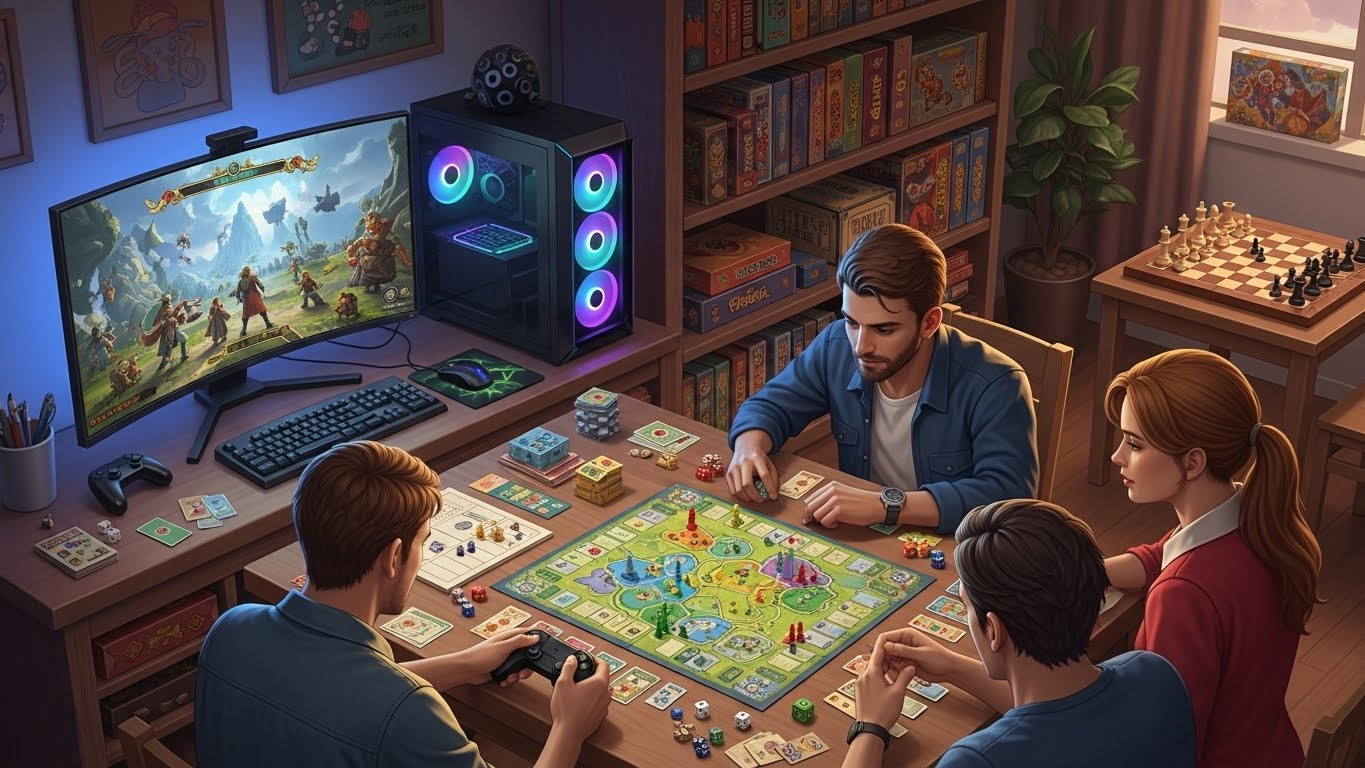
The world of games has evolved far beyond its humble beginnings. From early childhood pastimes like board games and card games to the immersive, interactive worlds of modern-day video games, the concept of play has taken on new dimensions. Today, gaming is not just a form of entertainment, but a dynamic and ever-evolving industry, offering experiences that range from casual mobile apps to competitive eSports. This blog post will explore the rich history of games, the types of games that define the landscape today, and how the gaming world continues to shape culture, technology, and human interaction.
The Origins of Games: From Board Games to Early Video Games
The history of games dates back thousands of years, with early evidence suggesting that humans have always sought to engage in playful activities. Board games such as Senet, an ancient Egyptian game dating back to 3100 BCE, and Go, a game that originated in China over 2,500 years ago, laid the foundation for structured play. These early games provided not just entertainment, but also a means of socialization, competition, and strategy.
The transition from traditional games to digital games began in the mid-20th century. In the 1950s and 1960s, computer scientists began experimenting with simple interactive games to showcase the potential of early computers. One of the first examples was Tennis for Two (1958), which was displayed on an oscilloscope. However, it was Pong (1972), a rudimentary ping-pong simulation developed by Atari, that truly introduced video games to the mainstream.
By the late 1970s and early 1980s, arcade games like Space Invaders, Pac-Man, and Donkey Kong dominated the entertainment landscape. These games were simple yet addictive, relying on fast-paced action, easy-to-understand mechanics, and the drive for high scores. They laid the foundation for the video game industry, turning games into a cultural phenomenon.
The Rise of Consoles and Personal Computers
In the 1980s, home gaming consoles like the Nintendo Entertainment System (NES) and the Sega Genesis brought video games into living rooms across the world. These systems were equipped with cartridges containing a variety of games, allowing players to experience arcade-quality gaming without leaving their homes. Iconic franchises like Super Mario Bros., The Legend of Zelda, and Sonic the Hedgehog were born during this era, becoming pillars of the gaming industry.
Personal computers also played a significant role in the growth of gaming. In the 1990s, as PCs became more affordable, titles like Doom (1993) and Warcraft (1994) introduced players to the world of PC gaming, offering more complex and immersive experiences. The development of 3D graphics technology and faster processors allowed game developers to create ever more detailed and expansive virtual worlds. By the mid-90s, gaming had firmly cemented itself as a global entertainment industry.
The Internet Revolution: Online Multiplayer Gaming
The 2000s marked a pivotal shift in the gaming world with the rise of online multiplayer gaming. Broadband internet became widely accessible, and developers started to build games that allowed players to connect and compete with one another across vast distances. One of the earliest success stories of online gaming was StarCraft (1998), a real-time strategy game that enabled players to compete in massive, global tournaments. But it was the release of World of Warcraft (2004) that truly revolutionized online gaming.
World of Warcraft introduced the concept of persistent online worlds, where players could create characters, complete quests, and interact with thousands of others simultaneously. This opened the door for a new era of massively multiplayer online role-playing games (MMORPGs), and the social aspects of gaming became just as important as the gameplay itself. The ability to team up with friends or even strangers to accomplish shared goals has since become one of the defining features of modern gaming.
The rise of platforms like Steam, Xbox Live, and PlayStation Network allowed gamers to connect with friends, join communities, and download new games directly onto their devices. This made gaming more social, accessible, and convenient than ever before.
The Mobile Revolution: Gaming on the Go
The introduction of smartphones in the late 2000s marked the beginning of another major shift in the gaming industry. Suddenly, gaming was no longer confined to consoles and PCs. With the launch of the iPhone in 2007 and the subsequent boom in mobile app stores, casual games became the dominant force in the gaming world. Titles like Angry Birds (2009), Candy Crush Saga (2012), and Clash of Clans (2012) attracted millions of players who could enjoy bite-sized gaming experiences on their phones, whether at home or on the go.
Mobile gaming transformed the way people engaged with games. Many of these titles were free-to-play, relying on in-app purchases to generate revenue. This shift to mobile also brought with it a new approach to game design, focusing on simple, intuitive gameplay that could be enjoyed in short bursts. However, mobile gaming’s success also led to some challenges, such as concerns over addiction, microtransactions, and the impact of “pay-to-win” mechanics on the gaming experience.
Despite these challenges, mobile gaming continues to thrive, with the industry projected to generate billions in revenue each year. It has also opened up the gaming world to a wider audience, with people from all walks of life now engaging in games that were once the domain of dedicated enthusiasts.
eSports: The Competitive Gaming Phenomenon
One of the most exciting developments in the gaming world in recent years has been the rise of eSports, or competitive gaming. What started as informal tournaments among friends and local communities has grown into a multi-billion-dollar global industry. eSports now includes professional leagues, international tournaments, sponsorships, and even college scholarships for top players.
Games like League of Legends, Dota 2, Counter-Strike: Global Offensive, and Overwatch have become the center of competitive gaming, with top players earning salaries, endorsement deals, and prize money that rival traditional sports. Major tournaments such as The International (for Dota 2) and the League of Legends World Championship attract millions of viewers, both in person and through streaming platforms like Twitch.
The appeal of eSports is multifaceted. On one hand, it offers a high level of skill and strategy that attracts dedicated fans who want to see the best players in the world compete. On the other hand, it also provides a sense of community and camaraderie, as fans can interact with players, discuss strategies, and share in the excitement of live broadcasts. eSports has become a legitimate form of entertainment, with a global fanbase that continues to grow.
Virtual Reality and Augmented Reality: The Future of Gaming
Looking forward, the future of gaming seems poised for even greater transformation, with virtual reality (VR) and augmented reality (AR) emerging as the next frontier. VR gaming offers players the opportunity to immerse themselves fully in virtual worlds, experiencing games in a way that was previously unimaginable. Platforms like the Oculus Rift, HTC Vive, and PlayStation VR allow players to explore 3D environments, interact with objects, and even engage in physical movement within the game.
On the other hand, AR technology overlays digital content onto the real world, creating hybrid experiences that blur the lines between the virtual and the physical. Games like Pokémon GO (2016) showed just how powerful AR can be in creating an interactive and social gaming experience. The potential for AR in gaming is vast, allowing for interactive scavenger hunts, location-based games, and entirely new types of gameplay.
Both VR and AR are still in the early stages of development, but the potential for these technologies to reshape the gaming landscape is enormous. As hardware becomes more affordable and software more sophisticated, we can expect immersive and innovative gaming experiences to become increasingly common.
Gaming as a Cultural Phenomenon
While gaming has always been a form of entertainment, its impact on culture has grown exponentially in recent years. Video games are now influencing not just popular culture, but also art, education, and even politics. Games like Minecraft (2011) have become a global cultural phenomenon, allowing players to create their own virtual worlds and share them with others. The Last of Us (2013) and Red Dead Redemption 2 (2018) have been hailed as examples of storytelling in the gaming medium, with rich narratives that rival the best films and novels.
Gaming has also become a form of social interaction, with players forming friendships, alliances, and rivalries that extend beyond the games themselves. Online communities, fan art, and gaming conventions have turned gaming into a shared cultural experience. The rise of streaming platforms like Twitch and YouTube has allowed gamers to showcase their skills, entertain audiences, and even make a living from playing games.
Moreover, gaming is increasingly being used as an educational tool. Games like Minecraft have been used in classrooms to teach subjects such as math, history, and design. The gamification of education has made learning more engaging and interactive, with students gaining new skills through gameplay.
Conclusion: Gaming’s Endless Possibilities
The world of gaming has come a long way since the early days of arcade machines and simple computer programs. Today, gaming is an ever-expanding industry that offers a diverse range of experiences, from casual mobile games to complex online worlds and competitive eSports. As new technologies like VR, AR, and AI continue to evolve, the future of gaming promises even more exciting and immersive experiences.