Introduction: Understanding the Role of Games
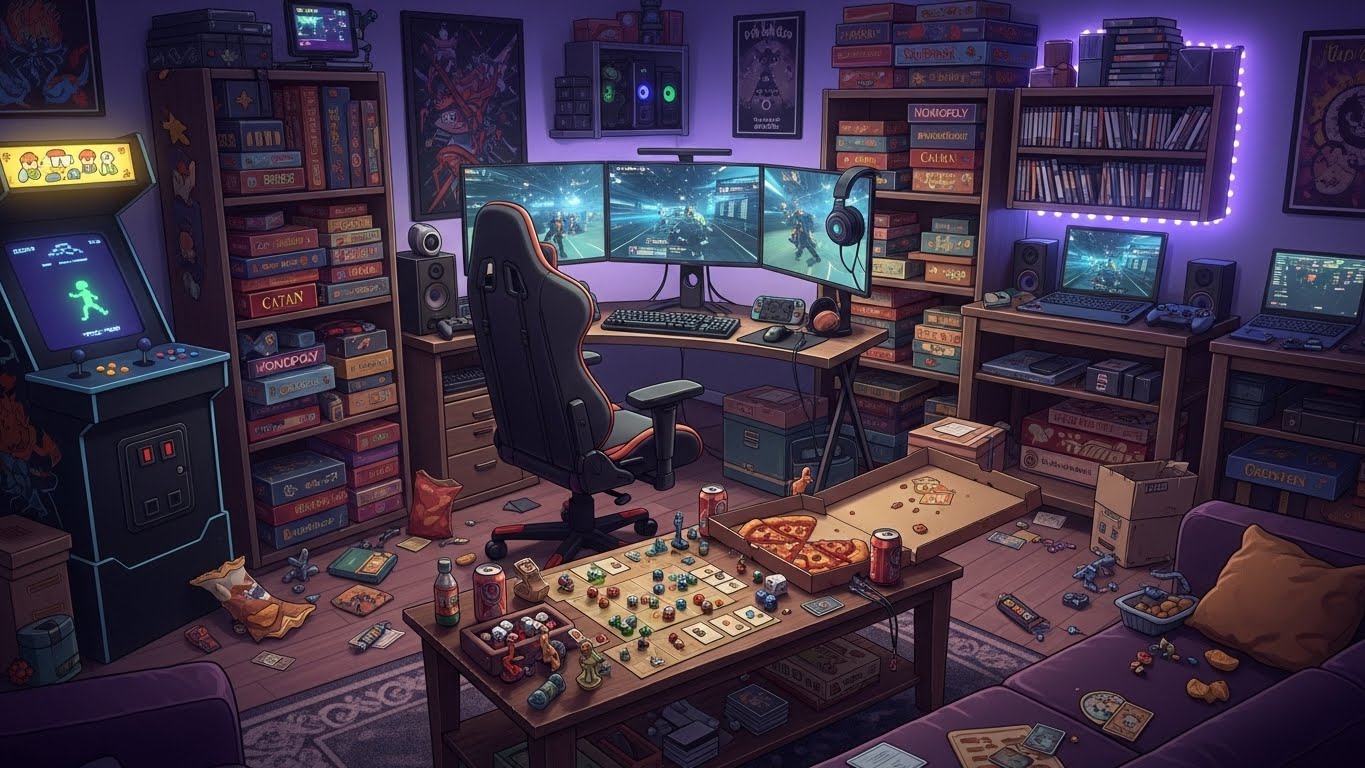
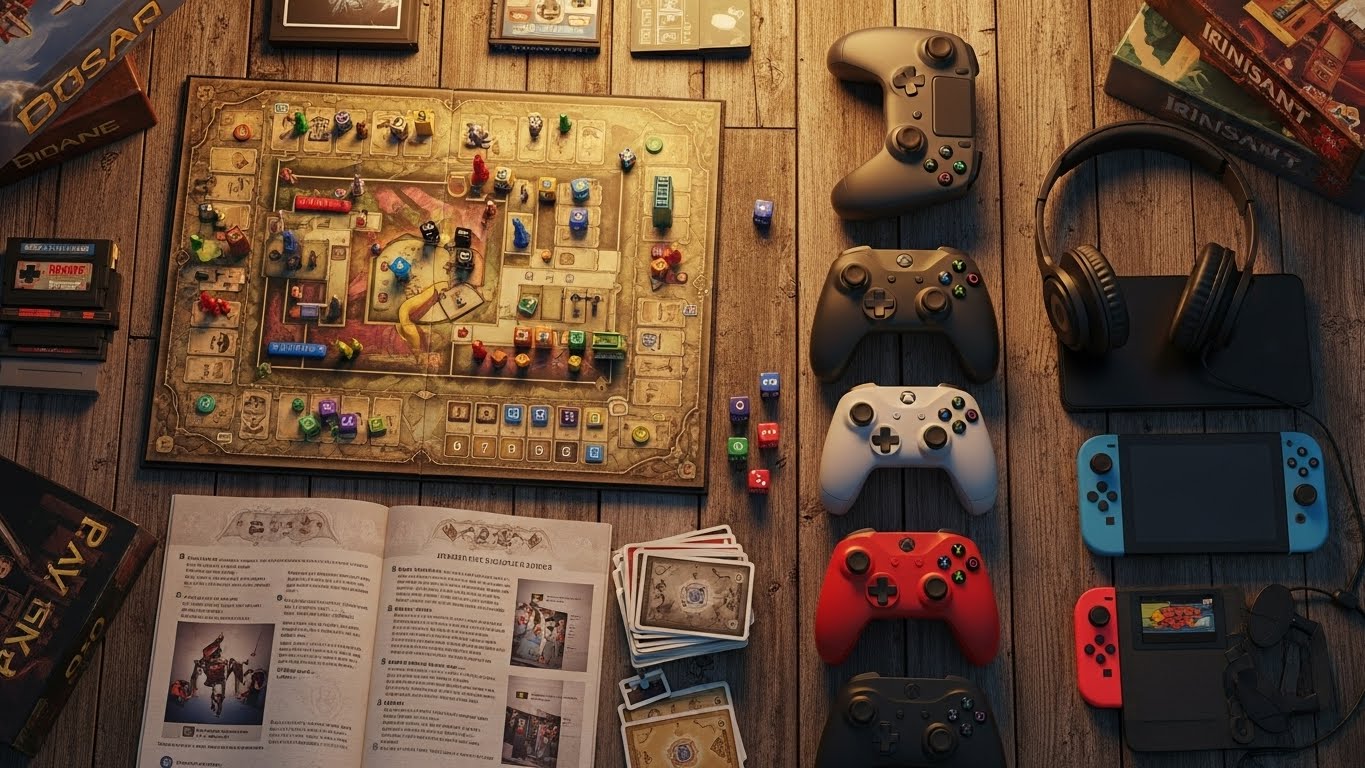
Games are more than just entertainment; they are a reflection of human creativity, problem-solving, and social interaction. From simple childhood board games to complex digital universes, games have evolved alongside society, shaping the way people interact, think, and experience challenge. They provide an avenue for competition, cooperation, imagination, and learning. Today, games are not only a pastime but a global cultural phenomenon with economic, educational, and social significance.
The History of Games: From Ancient Times to Modern Play
The history of games stretches back thousands of years. Ancient civilizations engaged in board games, dice games, and physical challenges to entertain and educate. Games like Senet in Egypt and Go in China served both recreational and intellectual purposes. They fostered strategy, planning, and social engagement.
As societies progressed, games evolved to reflect cultural changes. In Europe, chess became a symbol of strategy and intellect, while sports and card games became popular forms of social entertainment. The invention of digital technology revolutionized gaming, creating opportunities for interactive, immersive experiences that transcend physical limitations.
Board Games and Traditional Games: Timeless Appeal
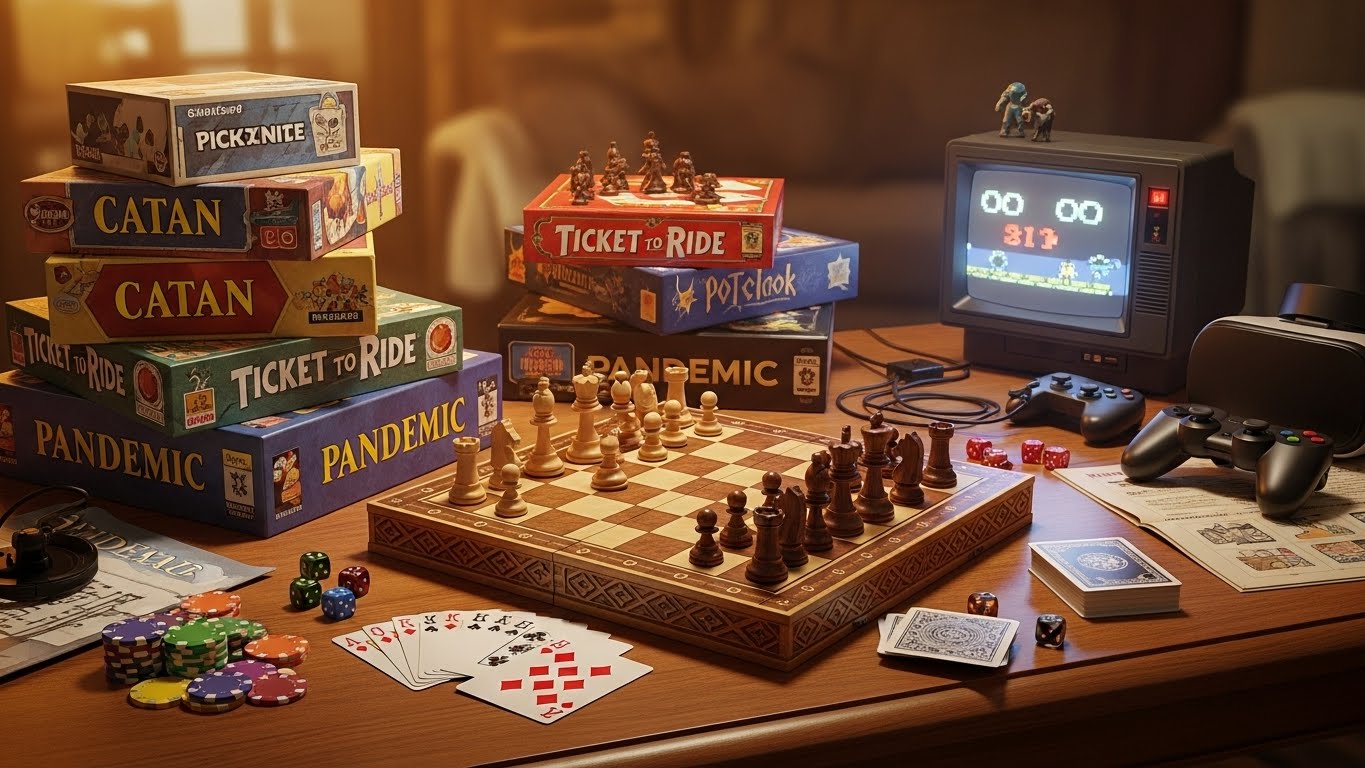
Traditional games and board games remain relevant despite the rise of digital entertainment. Games like chess, Monopoly, Scrabble, and card games challenge the mind, encourage strategic thinking, and foster social interaction. Board games bring people together, creating shared experiences and promoting collaboration, negotiation, and friendly competition.
Physical games also offer tactile engagement, which digital games cannot fully replicate. These games remain popular in families, schools, and social gatherings because they combine mental stimulation with personal interaction.
Video Games: The Digital Revolution
Video games represent a monumental shift in the way people experience games. Starting from simple arcade titles in the 1970s, video games have grown into complex, interactive experiences. Modern video games feature expansive worlds, realistic graphics, immersive storytelling, and adaptive gameplay that respond to player choices.
Games now cater to a wide audience, from casual players enjoying mobile puzzles to hardcore gamers exploring role-playing epics. Titles like The Legend of Zelda, Fortnite, and Minecraft showcase the diversity of gaming experiences, offering exploration, strategy, creativity, and competition.
Genres of Games and Their Unique Features
Games span numerous genres, each appealing to different player preferences. Understanding these genres highlights the richness of the gaming world.
Action Games
Action games focus on reflexes, coordination, and fast decision-making. Players navigate challenges, fight enemies, and overcome obstacles. This genre provides adrenaline, excitement, and skill development, making it popular among thrill-seekers.
Role-Playing Games
Role-playing games immerse players in detailed narratives where choices affect outcomes. Games like Skyrim and Final Fantasy offer character customization, exploration, and story-driven engagement, fostering creativity and empathy.
Strategy Games
Strategy games challenge players to plan, allocate resources, and make tactical decisions. Titles like Civilization and StarCraft develop critical thinking, problem-solving, and long-term planning skills.
Simulation Games
Simulation games replicate real-world systems, from city-building to flight simulators. These games allow players to experiment, create, and manage environments, fostering analytical skills and creativity.
Sports and Racing Games
Sports and racing games provide competitive and realistic experiences of athletics and racing. They combine skill, timing, and strategy, appealing to enthusiasts of specific sports and general audiences seeking interactive challenges.
Social Aspects of Games
Games are not solely individual pursuits; they foster social connection. Multiplayer games, online communities, and esports create opportunities for collaboration and competition. Friends and strangers alike can team up, communicate, and share experiences in virtual worlds.
Gaming communities thrive through forums, streaming platforms, and tournaments. Social engagement in gaming provides a sense of belonging, teamwork, and shared achievement. These interactions highlight how games are not just entertainment but a social phenomenon.
Educational Value of Games
Games can be educational and intellectually stimulating. Strategy, simulation, and puzzle games improve cognitive skills, memory, and analytical thinking. Educational games teach mathematics, science, history, and language through interactive mechanics.
Role-playing and narrative games promote empathy, ethical reasoning, and problem-solving. By combining fun with learning, games offer a unique medium for developing skills while keeping players engaged. Gamification has extended this principle to education, using game mechanics to enhance classroom learning and professional training.
Creativity and Imagination in Games
Games stimulate creativity and imagination. Sandbox and building games like Minecraft and Roblox allow players to design worlds, create objects, and invent challenges. Narrative-driven games encourage storytelling, character creation, and world-building.
The freedom to explore and create within games nurtures innovative thinking. Players become active participants rather than passive consumers, contributing to a dynamic experience that blends play with artistry.
Psychological Benefits of Gaming
Games offer numerous psychological benefits. They provide stress relief, emotional engagement, and satisfaction through challenge and accomplishment. Cooperative games foster teamwork and communication, while solo games encourage focus, perseverance, and problem-solving.
Playing games can also improve cognitive function, including memory, spatial awareness, and reaction time. When played responsibly, games positively impact mental health and provide an outlet for relaxation and personal growth.
Technology and the Future of Games
Advances in technology continue to reshape the gaming landscape. Virtual reality and augmented reality provide immersive experiences, while cloud gaming allows access to high-quality titles without powerful hardware. Artificial intelligence enhances gameplay by creating adaptive challenges and smarter non-player characters.
The future of gaming is likely to integrate physical and digital experiences, offering interactive, personalized, and socially connected worlds. Emerging technologies will enable unprecedented creativity, engagement, and interactivity in gaming.
Economic Impact of Games
The gaming industry is a global economic powerhouse. Revenue comes from game sales, in-game purchases, subscriptions, tournaments, and streaming. Careers in development, design, marketing, broadcasting, and esports have grown exponentially, reflecting the industry’s significance.
Professional esports players, content creators, and game developers illustrate the economic opportunities within gaming. The financial success of games also fuels innovation, technological advancement, and cultural influence worldwide.
Gaming as a Cultural Phenomenon
Games have become a vital part of modern culture. They influence fashion, music, storytelling, and social trends. Games reflect societal values and challenges, providing insight into human behavior, ethics, and collaboration.
Cultural events, conventions, and tournaments celebrate gaming communities and highlight the creativity and passion of players and developers alike. Gaming’s cultural impact demonstrates its role as both entertainment and a medium of human expression.
Conclusion: The Enduring Power of Games
Games have evolved from simple pastimes to complex, multifaceted experiences. They entertain, educate, connect, and inspire. Through physical, digital, and social mediums, games shape human interaction, creativity, and culture.
As technology continues to advance, games will become even more immersive, interactive, and influential. Their ability to combine fun, learning, and social engagement ensures that games will remain a central part of human life for generations to come. They are not just play—they are a reflection of imagination, culture, and the limitless potential of human creativity.