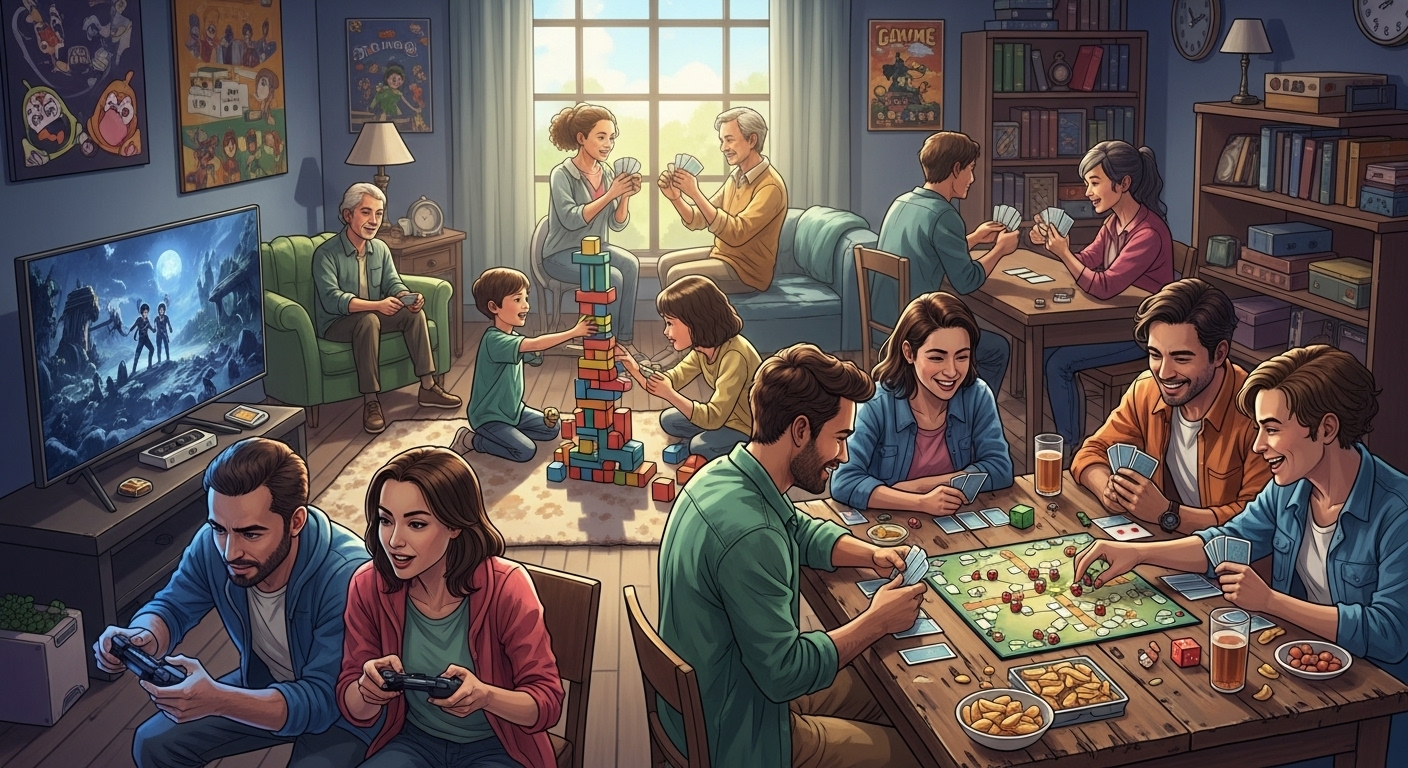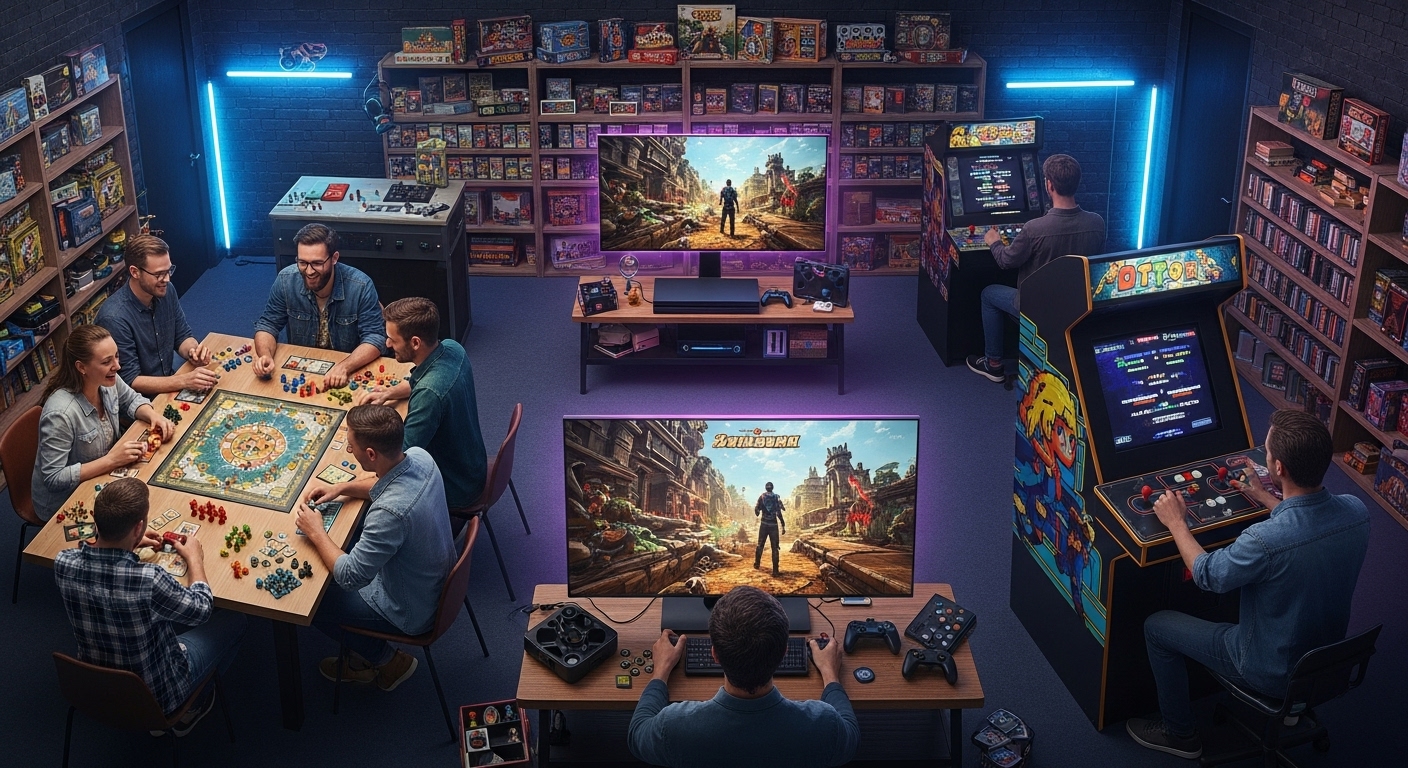
Games have been a cornerstone of human culture since the earliest civilizations. From traditional board games to cutting-edge digital experiences, games have always served as tools for entertainment, education, socialization, and creativity. What sets games apart from other forms of media is their interactivity—they invite participation, challenge the mind, and encourage personal growth. Today, the world of gaming spans multiple platforms, genres, and communities, impacting billions of people globally. This blog explores the multifaceted world of games, highlighting their evolution, social impact, cognitive benefits, cultural significance, and future potential.
The Evolution of Games
The history of games is a journey of innovation and cultural expression. Ancient societies used games not only for fun but also to teach strategy, enhance social skills, and strengthen physical abilities. Board games such as Senet in Egypt, Go in China, and Mancala in Africa were more than entertainment—they were reflections of societal values and human ingenuity.
With the invention of cards, dice, and tabletop games, the notion of structured play spread across continents. These games introduced rules, strategy, and competition, providing both enjoyment and intellectual challenge. The 20th century brought a new era with video games, beginning with simple arcade titles such as Pong and Space Invaders. These early games relied on basic graphics and simple objectives but captured the imagination of millions.
The rise of consoles, personal computers, and mobile devices transformed gaming into a mainstream form of entertainment. Advances in technology allowed developers to create rich narratives, realistic graphics, and immersive worlds. Today, games are not limited to mere pastimes; they are interactive experiences that blend art, storytelling, technology, and human emotion.
The Role of Games in Storytelling
Games have evolved into powerful storytelling mediums. Unlike books or movies, games allow players to actively participate in narratives, making choices that shape outcomes and influence the world around them. Role-playing games, adventure titles, and interactive simulations give players agency, immersing them in stories that feel personal and meaningful.
Story-driven games explore complex themes such as identity, morality, friendship, and resilience. By engaging directly with characters and scenarios, players experience emotions on a deeper level. This interactivity allows games to communicate lessons and ideas in ways that passive media cannot. The power of storytelling in games demonstrates that play is not only about entertainment—it is a vehicle for empathy, reflection, and emotional engagement.
Social Interaction Through Games
Gaming has become an inherently social experience. Multiplayer games connect friends and strangers across the world, fostering collaboration, teamwork, and friendly competition. Online platforms provide spaces where players can communicate, strategize, and celebrate victories together. The social dimension of gaming extends beyond the screen, creating communities that share interests, cultures, and goals.
Even single-player games cultivate social interaction through forums, fan art, and discussions. Streaming platforms have transformed gaming into a spectator activity, where audiences watch and interact with players in real time. This connectivity demonstrates that games are not isolated hobbies—they are social experiences that build relationships and foster community engagement.
Competitive Gaming and Esports
Esports has turned gaming into a professional arena. Competitive gaming attracts top players who train intensively, study strategies, and compete in high-stakes tournaments. The global audience for esports now rivals traditional sports, with millions watching professional matches online and in stadiums.
Esports offers career opportunities beyond playing, including coaching, commentary, event management, and content creation. It requires discipline, teamwork, strategy, and adaptability, challenging stereotypes that games are only leisure activities. Competitive gaming demonstrates the potential of games to shape careers and influence culture on a global scale.
Cognitive Benefits of Gaming
Games offer a range of cognitive benefits that are often overlooked. Strategic games encourage critical thinking, problem-solving, and long-term planning. Puzzle games enhance memory, attention, and analytical skills. Fast-paced action games improve reflexes, spatial awareness, and multitasking abilities.
Educational games are also increasingly used in classrooms and training programs. Simulation games provide hands-on learning experiences in fields like science, engineering, medicine, and social studies. Gaming fosters curiosity, experimentation, and resilience, helping players develop skills that extend beyond the virtual world.
Creativity and Game Design
Games are not only for playing—they are also platforms for creativity. Sandbox games, modding communities, and level editors empower players to design characters, build worlds, and create unique gameplay experiences. Many professional developers began their careers experimenting with mods and user-generated content, demonstrating how games can nurture innovation and artistic expression.
Creativity in gaming extends beyond visual design. Players develop narratives, craft strategies, and invent new ways to interact with game systems. This creative engagement enhances problem-solving, storytelling abilities, and imaginative thinking, reinforcing the idea that games are educational tools as well as sources of fun.
Emotional Impact of Games
The emotional power of games is one of their defining features. Interactive experiences allow players to feel joy, fear, excitement, sadness, and triumph. Because players make decisions that influence outcomes, emotions in games are deeply personal and impactful.
Games also provide safe spaces to explore challenging scenarios, confront moral dilemmas, and experience perspectives different from one’s own. Emotional engagement in games contributes to personal growth, empathy, and self-awareness, making them more than entertainment—they become tools for understanding and connecting with the human experience.
Gaming and Mental Wellbeing
In addition to entertainment, games support mental wellbeing. Many people use games as a form of stress relief and relaxation. Cooperative gameplay fosters social connection, while narrative-driven titles can offer comfort and emotional release.
The sense of accomplishment from completing challenges, mastering skills, or reaching milestones can boost confidence and provide motivation. Balanced gaming can enhance cognitive function, emotional resilience, and social bonds, demonstrating its potential to positively impact mental health.
The Cultural Significance of Games
Games influence culture as much as they reflect it. Characters, stories, and in-game worlds often inspire fashion, language, art, and social trends. Popular games spark discussions and foster communities that cross cultural and geographical boundaries.
Representation in games has become increasingly important, allowing players to see themselves reflected in narratives and characters. Diverse perspectives in games encourage understanding and empathy, highlighting the cultural power of gaming as a medium that bridges differences.
The Business of Gaming
The gaming industry is a major economic powerhouse. Development studios, publishers, streaming platforms, hardware manufacturers, and esports organizations create a multi-billion-dollar ecosystem. Mobile gaming has expanded access, allowing people worldwide to engage with games anytime, anywhere.
Career opportunities in gaming are diverse, including programming, design, storytelling, music composition, marketing, event management, and content creation. The industry illustrates the intersection of creativity, technology, and commerce, showing that games are both cultural products and economic drivers.
Technological Innovation in Gaming
Technology plays a crucial role in the evolution of gaming. Virtual reality, augmented reality, artificial intelligence, and cloud-based platforms are redefining how games are created and experienced. Players can explore immersive worlds, interact with intelligent NPCs, and personalize gameplay like never before.
Advancements in graphics, physics engines, and sound design have increased the realism and depth of games. Technology allows creators to push boundaries, delivering experiences that blend storytelling, art, and interactivity in ways that continue to captivate audiences worldwide.
The Future of Games
The future of games is filled with possibilities. Virtual and augmented reality will create fully immersive environments. Artificial intelligence will enable dynamic, adaptive gameplay that responds to individual players. Cloud gaming will make high-quality games accessible without high-end hardware, expanding the reach of interactive entertainment.
Games may increasingly integrate education, social interaction, creativity, and professional development. The boundary between reality and virtual worlds will blur, offering experiences that are as meaningful and impactful as they are entertaining.
Conclusion: Games as a Transformative Medium
Games are far more than a source of amusement. They are interactive experiences that foster creativity, cognitive development, emotional engagement, social connection, and cultural influence. From traditional board games to cutting-edge digital worlds, games provide learning, enjoyment, and personal growth.
As technology and society continue to evolve, games will play an even greater role in shaping culture, education, and human connection. They empower individuals to explore, create, and engage in ways that are uniquely immersive and transformative. Games are not just entertainment—they are a reflection of human imagination, innovation, and our enduring desire to play, learn, and connect.