Introduction: The Power of Games
Games have been a part of human culture for thousands of years, from ancient board games to the digital experiences that dominate modern entertainment. They are not just pastimes; they are powerful tools for storytelling, education, social interaction, and skill development. In the 21st century, gaming has become a global phenomenon, captivating millions and generating a multi-billion-dollar industry.
The evolution of games reflects technological advancements, cultural shifts, and the human desire for challenge and creativity. This blog explores the history, types, cultural impact, technological innovations, and future of games, highlighting their importance beyond mere entertainment.
The Evolution of Games
Games have evolved dramatically over time. Ancient civilizations created board games like Senet in Egypt and Go in China, designed not only for entertainment but also for strategic thinking. Card games and tabletop games developed in medieval Europe, laying the foundation for modern competitive play.
The 20th century introduced video games, revolutionizing how people interacted with digital entertainment. From the early arcade games of the 1970s to home consoles in the 1980s, gaming became more accessible and immersive. Titles like Pac-Man, Super Mario Bros., and Tetris introduced mechanics and narratives that continue to influence game design today.
The digital age expanded gaming into the online realm. Multiplayer experiences, digital marketplaces, and mobile gaming platforms transformed games into social, competitive, and highly accessible entertainment.
Types of Games
Modern gaming encompasses a wide variety of genres and formats, appealing to diverse audiences.
Video Games: These include console, PC, and mobile games. Genres range from action, adventure, and role-playing games to puzzle and simulation games. Titles like The Legend of Zelda, Minecraft, and Fortnite demonstrate the versatility and creativity of video games.
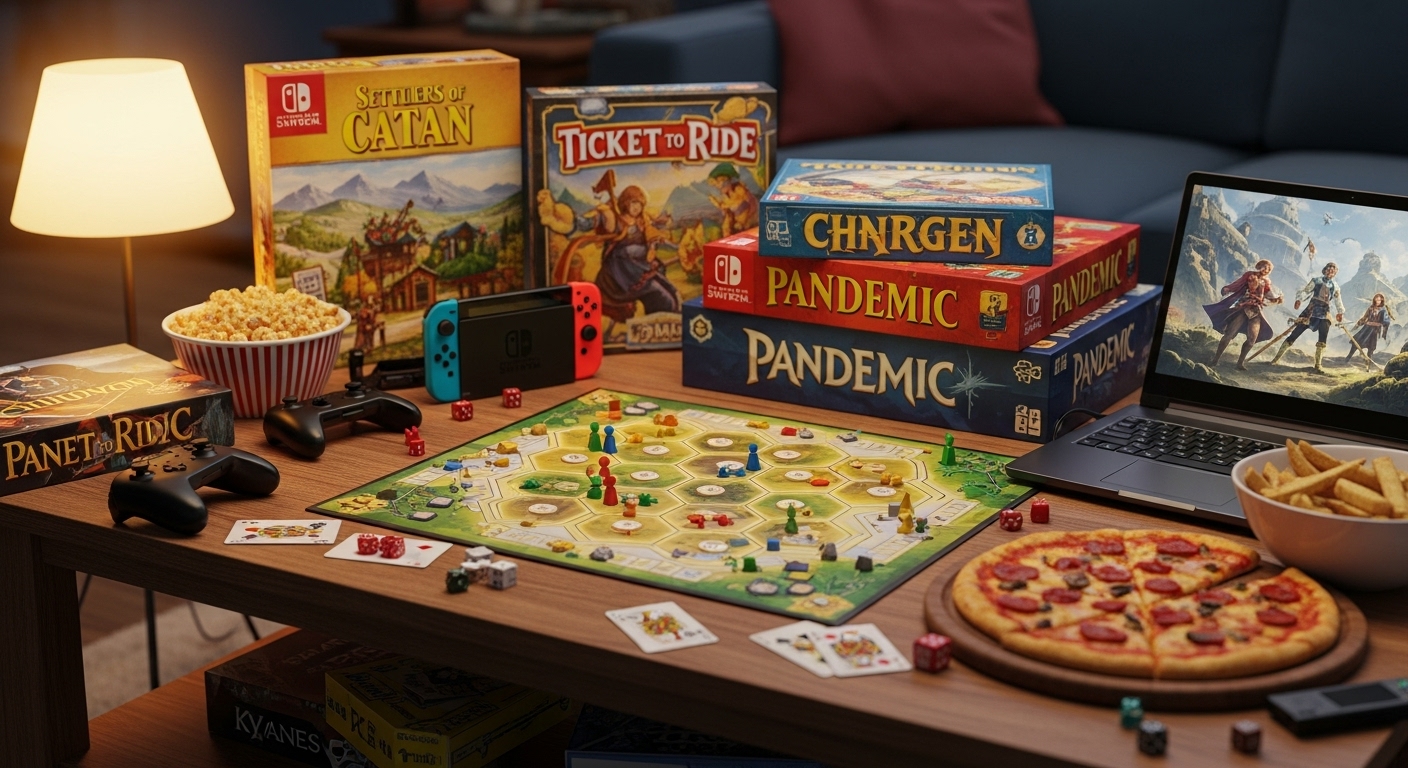
Board Games: Board games continue to thrive, blending traditional mechanics with modern innovation. Games like Settlers of Catan, Ticket to Ride, and Pandemic offer strategic depth and social interaction.
Card Games: Card games, both physical and digital, provide tactical challenges and competitive experiences. Trading card games like Magic: The Gathering and digital adaptations like Hearthstone engage millions globally.
Sports and eSports: Competitive games, whether physical sports or electronic versions, emphasize skill, strategy, and teamwork. eSports has transformed competitive gaming into a professional industry with global audiences and tournaments.
Technological Innovations in Gaming
Technology has played a central role in the evolution of games. High-definition graphics, realistic physics engines, and artificial intelligence enhance gameplay and immersion. VR and AR technologies provide fully interactive experiences, transporting players into alternate realities.
Cloud gaming and streaming services allow instant access to vast game libraries, eliminating the need for expensive hardware. AI-driven game design adapts challenges to player skill, creating personalized experiences that are both engaging and rewarding.
Mobile technology has expanded gaming’s reach, making games accessible anytime and anywhere. Augmented reality games, such as location-based experiences, blend physical and digital worlds, creating interactive adventures that go beyond the screen.
The Cultural Impact of Games
Games influence culture in profound ways. They serve as mediums for storytelling, art, and expression. Iconic games often explore complex narratives, moral dilemmas, and emotional journeys, demonstrating that games can rival films and literature in cultural significance.
Gaming communities foster social interaction, collaboration, and competition. Online forums, streaming platforms, and social media have created spaces for players to share experiences, strategies, and fan-created content. eSports tournaments bring together millions of viewers, highlighting the communal aspect of gaming.
Games also impact education and cognitive development. Puzzle games, strategy games, and simulation games enhance problem-solving, creativity, and critical thinking skills. Educational games teach subjects from history to science in interactive and engaging ways, proving that play can be a powerful tool for learning.
Monetization and the Gaming Economy
The gaming industry is one of the largest entertainment sectors in the world. Revenue comes from game sales, in-app purchases, subscriptions, microtransactions, and merchandise. Free-to-play models allow players to access games at no cost, generating income through optional purchases and advertisements.
Streaming platforms and eSports competitions have created new economic opportunities. Professional players, content creators, and game developers earn significant revenue while engaging global audiences. The economic impact of gaming extends to technology, marketing, and media, influencing multiple industries worldwide.
Games as a Social Platform
Games provide spaces for social interaction and collaboration. Multiplayer games, online communities, and co-op modes encourage teamwork and communication. Games like Among Us and Fortnite have become social hubs, enabling friends and strangers to connect and interact in virtual environments.
Gaming also promotes cultural exchange. Players from different countries and backgrounds interact, sharing ideas, strategies, and experiences. These interactions foster understanding, cooperation, and global community building, highlighting the social dimension of gaming beyond entertainment.
Challenges in Gaming
Despite its growth, gaming faces challenges. Addiction and excessive screen time can negatively impact mental and physical health. Game developers and platforms are implementing tools for responsible play, such as time limits, parental controls, and educational resources.
Diversity and representation are ongoing concerns. Historically, games have underrepresented women, minorities, and nonbinary individuals. However, modern game development increasingly embraces inclusivity, offering diverse characters, narratives, and perspectives.
Cybersecurity is another challenge. Online gaming exposes players to hacking, fraud, and data breaches. Platforms invest in security measures to protect users and ensure a safe gaming environment.
The Future of Gaming
The future of gaming is both exciting and transformative. VR, AR, and mixed reality will create immersive worlds that blur the line between digital and physical experiences. AI-driven content generation will allow dynamic storytelling and adaptive gameplay.
Cloud and streaming services will continue to remove barriers to entry, making gaming accessible to a broader audience. Blockchain technology and NFTs may redefine ownership and in-game economies, offering new ways for players to interact with virtual assets.
Games will continue to be a cultural force, influencing art, storytelling, and entertainment. As technology advances, games will become more integrated into daily life, education, and social interaction, offering experiences that are not only entertaining but also meaningful and enriching.
Conclusion: Games as a Cultural and Technological Force
Games are more than a pastime—they are a dynamic form of cultural expression and technological innovation. From ancient board games to modern digital experiences, they have evolved to entertain, educate, and connect people worldwide.
The gaming industry demonstrates the power of creativity, technology, and community. Games challenge players intellectually and emotionally, provide social interaction, and offer economic opportunities. As technology continues to advance, the potential of gaming to shape culture, entertainment, and human experience will only grow.
In the 21st century, games are not just a form of entertainment—they are a reflection of human ingenuity, collaboration, and the limitless possibilities of imagination. The gaming odyssey is far from over; it is only beginning, promising experiences that will continue to captivate, inspire, and connect generations to come.