Introduction to the World of Games
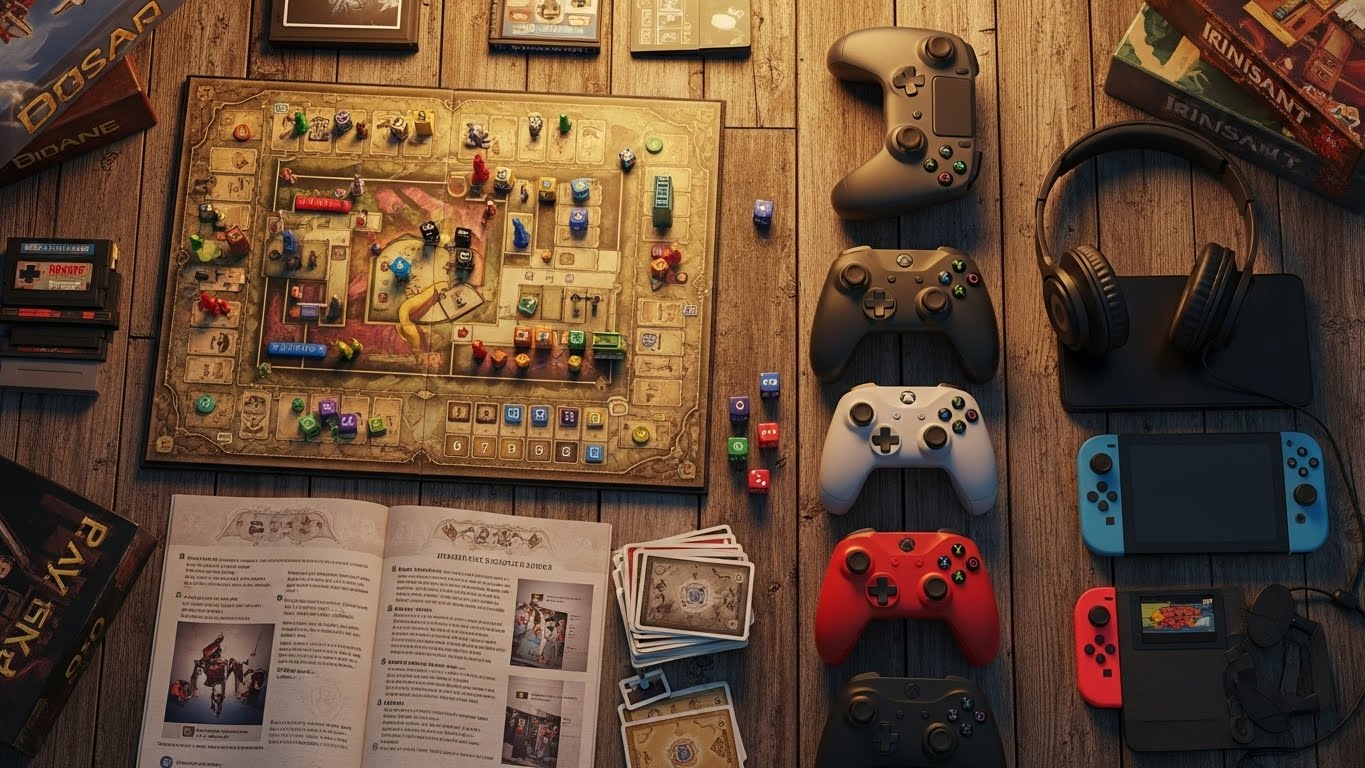
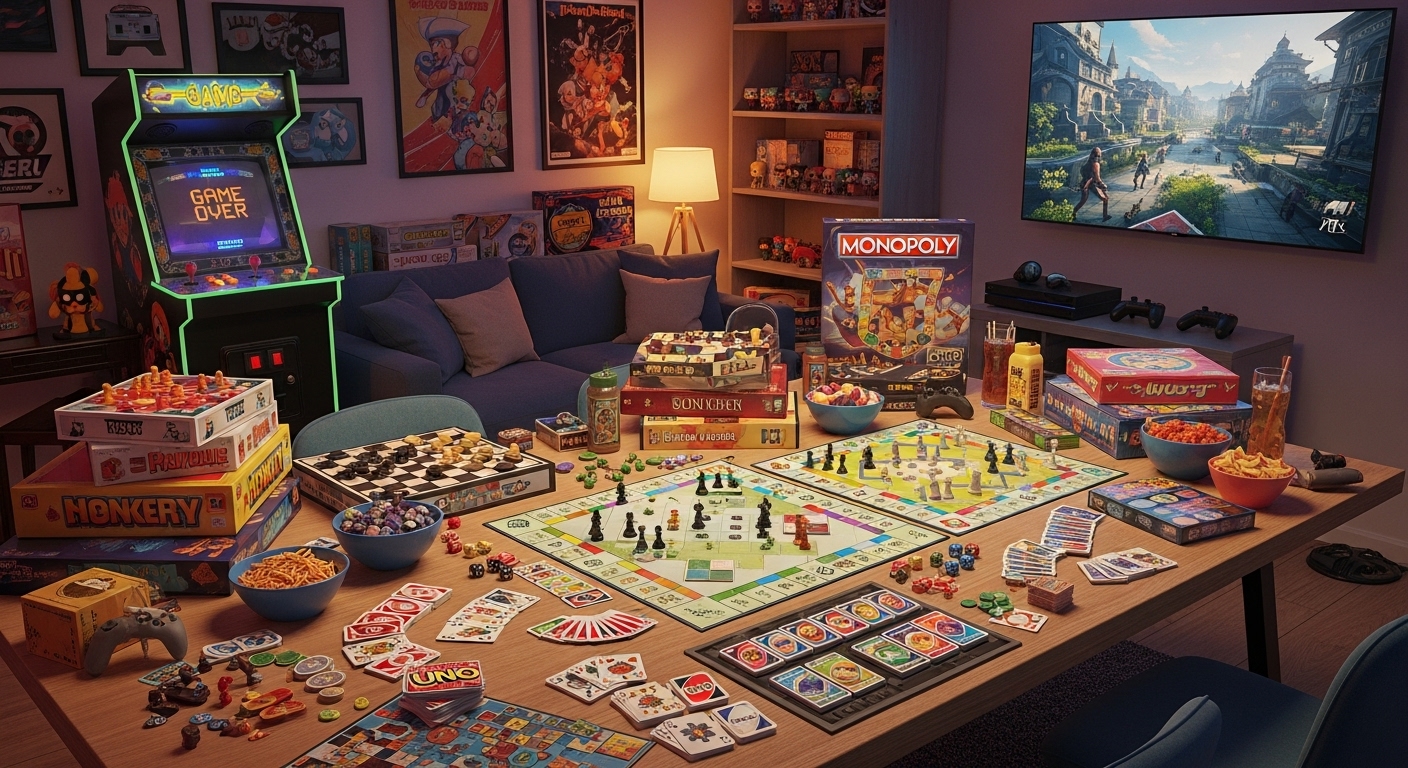
Games have always been a part of human life. From ancient board games carved in stone to high-tech digital experiences played on screens around the world, games have evolved alongside humanity. They entertain, challenge, educate, and connect us in ways few other forms of media can. Whether it is a child playing with friends in a park or millions of players competing in an online arena, the essence of gaming remains the same—fun, engagement, and the thrill of discovery.
The world of games today is vast and diverse. It includes traditional games like chess and cards, sports played in stadiums, and digital games that bring fantasy worlds to life. Games are no longer just a pastime; they are an industry, a culture, and even a profession for many. The evolution of gaming has reshaped how people learn, socialize, and even think about the world.
The Historical Roots of Games
Games are as old as civilization itself. Ancient societies such as Egypt, China, and Mesopotamia had their own forms of games that reflected their culture and values. Archaeologists have discovered dice made of bones and early versions of board games dating back thousands of years. These early forms of play were not only for entertainment but also for teaching strategy, patience, and teamwork.
As time progressed, games became an integral part of education and culture. Chess, invented over a thousand years ago, was a tool for teaching strategic thinking. In other parts of the world, games like Go, Mancala, and Senet were symbols of intelligence and foresight. These timeless games laid the foundation for the complex and engaging games we enjoy today.
The Rise of Video Games
The 20th century brought a revolution in gaming with the rise of technology. The invention of computers and video consoles transformed the idea of play forever. The first video games were simple, with pixelated graphics and basic sound effects, but they captured the imagination of millions.
The 1970s and 1980s are often referred to as the golden age of video games. Classic titles like Pong, Pac-Man, and Space Invaders became cultural icons. They introduced a new way of interacting with entertainment—one that required skill, timing, and focus. With the introduction of home consoles, gaming became accessible to everyone, not just those who visited arcades.
The Modern Gaming Revolution
Today, gaming is more advanced and immersive than ever before. High-definition graphics, realistic physics, and complex storytelling have made games comparable to blockbuster movies. Players can explore massive open worlds, make choices that shape their stories, and connect with others across the globe.
Online multiplayer games have turned gaming into a social experience. Players can cooperate or compete with people from different countries, forming friendships and communities that transcend borders. Streaming platforms have made it possible for gamers to share their experiences live, turning gaming into a form of entertainment that others can watch and enjoy.
The Psychology of Play
At its core, gaming is about more than just fun. It taps into fundamental aspects of human psychology. Games provide a sense of achievement, progress, and purpose. They challenge the mind, offering goals and feedback that make players feel in control and capable.
Playing games releases dopamine, the brain’s chemical of pleasure and reward. This is why completing a difficult level or winning a match feels so satisfying. Games also encourage problem-solving and critical thinking, as players must adapt to changing situations and make quick decisions.
Socially, games help build communication skills and teamwork. Cooperative games teach players to strategize and rely on each other, while competitive games foster discipline and focus. In educational settings, game-based learning has proven to improve memory, engagement, and motivation among students.
Games as a Cultural Force
Games are no longer just hobbies—they are a cultural force that influences music, art, storytelling, and fashion. The gaming industry often sets trends that spill over into mainstream culture. Iconic characters and franchises have become household names and have inspired movies, books, and merchandise.
Moreover, games serve as a form of cultural expression. Developers from different parts of the world use games to tell stories rooted in their traditions, history, and identity. This diversity has made gaming a global platform for creativity and storytelling. Through games, players can experience perspectives and cultures they might never encounter in real life.
The Educational Power of Games
One of the most overlooked aspects of gaming is its educational potential. Games can teach complex concepts in engaging and interactive ways. Strategy games enhance critical thinking and resource management. Puzzle games improve memory and logic. Simulation games teach planning and decision-making, while role-playing games encourage empathy and moral reasoning.
Many educational institutions now use gamified learning methods to make subjects more interesting. Students can explore virtual historical worlds, solve scientific puzzles, or practice language skills through interactive challenges. By turning learning into play, games make education enjoyable and effective.
The Rise of Mobile and Casual Gaming
The introduction of smartphones brought gaming to everyone’s fingertips. Mobile games have transformed the industry by making play accessible anytime and anywhere. People no longer need expensive consoles or powerful computers; they can play during a break, on a bus, or before bed.
Casual games have expanded the audience for gaming, attracting people who may have never considered themselves gamers before. Simple yet addictive games have become cultural phenomena, with billions of downloads worldwide. This has also created opportunities for small developers to reach global audiences and build successful businesses.
Esports: The Competitive Side of Gaming
Another major development in modern gaming is the rise of esports. Competitive gaming has evolved into a professional sport with tournaments, sponsorships, and massive audiences. Players train for hours, develop strategies, and compete for significant prizes, much like athletes in traditional sports.
Esports has changed the perception of gaming from a hobby to a legitimate career path. Professional gamers, commentators, and content creators are now recognized as influential figures in the entertainment world. Major arenas host live events that attract millions of viewers, proving that gaming has truly become a global spectacle.
The Social Connection Through Games
In an increasingly digital world, games have become a powerful tool for connection. Online multiplayer experiences allow people to build friendships, work together, and share achievements. For many, gaming communities offer a sense of belonging and shared purpose.
During times of social isolation, such as the recent global pandemic, games played a crucial role in keeping people connected. Families, friends, and even coworkers used online games as a way to socialize, relax, and maintain relationships despite physical distance. This social element of gaming has made it one of the most inclusive and interactive forms of entertainment.
The Challenges Facing the Gaming Industry
Despite its many benefits, the gaming industry faces several challenges. One major concern is the issue of addiction and overuse. While games are designed to be engaging, excessive play can lead to neglect of responsibilities and health issues. Developers and parents alike are working to promote balanced gaming habits.
Toxic behavior in online communities is another challenge. Ensuring that gaming environments remain respectful and inclusive requires continuous effort from both players and developers. The industry is also grappling with issues of data privacy, microtransactions, and fair monetization practices.
Moreover, representation in games continues to evolve. The push for diversity and inclusion has encouraged developers to create more relatable characters and stories that reflect real-world identities and experiences.
The Future of Gaming
The future of gaming holds incredible possibilities. Advances in artificial intelligence, virtual reality, and augmented reality are opening new dimensions of play. Players can expect games that respond to emotions, environments that feel alive, and experiences that blend the physical and digital worlds.
Cloud gaming will continue to expand, allowing players to stream high-quality games without needing expensive hardware. Cross-platform play will connect communities across devices, making gaming even more inclusive.
As technology evolves, storytelling in games will also reach new heights. Narrative-driven games will become more emotionally engaging, exploring deeper themes and moral choices. Games will increasingly become a medium for artistic expression and social commentary.
The Lasting Legacy of Games
Games have always reflected human creativity, curiosity, and the desire to connect. They teach us about strategy, empathy, perseverance, and joy. From ancient times to the digital age, games have brought people together across generations and cultures.
As the world continues to change, games remain a constant source of inspiration and innovation. They are not just a way to pass time but a mirror of human imagination and progress. Whether we play for fun, competition, or learning, games remind us of the universal power of play—a force that will continue to shape minds and societies for generations to come.
Conclusion
Games are far more than entertainment; they are an essential part of who we are. They have evolved from simple pastimes to complex experiences that influence education, culture, and technology. Through play, we learn, grow, and connect. The future of gaming is boundless, fueled by creativity, innovation, and the unending human spirit of exploration.
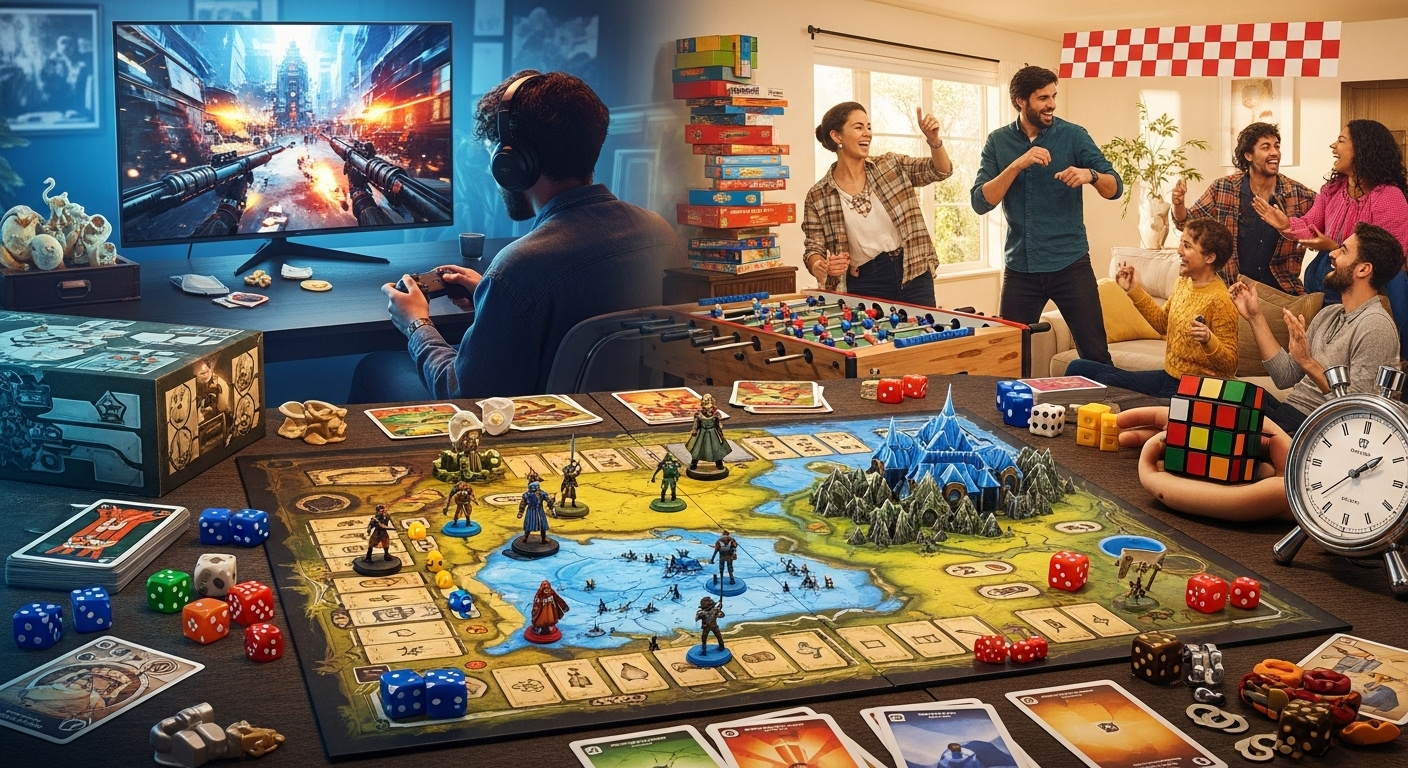
In every form—whether on a board, a field, or a screen—games continue to remind us of one timeless truth: play is not just for fun, it is a fundamental part of what makes us human.