Introduction
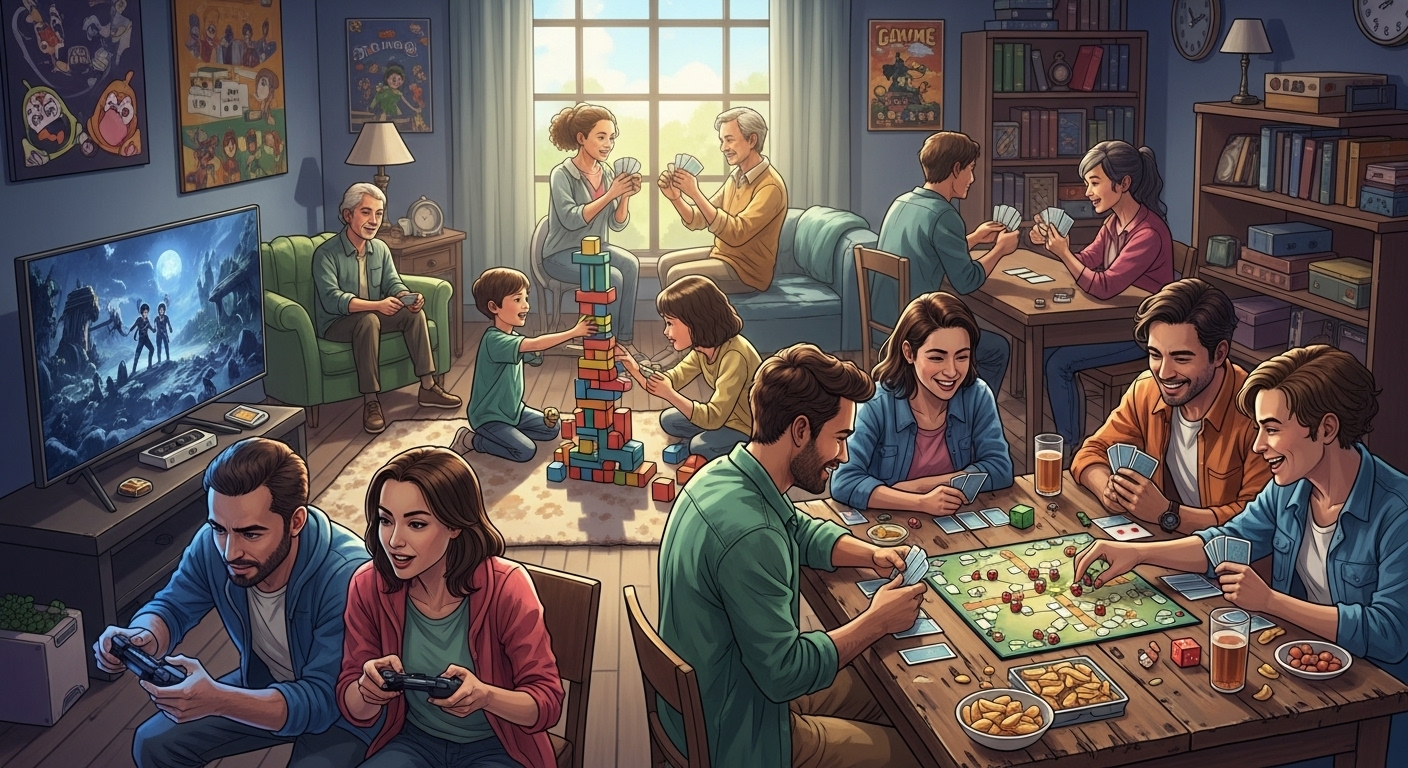
Games have been a part of human culture for centuries, from traditional board games to modern digital experiences. They entertain, challenge, and inspire, providing a space where imagination and strategy come together. Games are more than just fun—they are a reflection of culture, a tool for learning, and a medium for social interaction.
The Evolution of Games
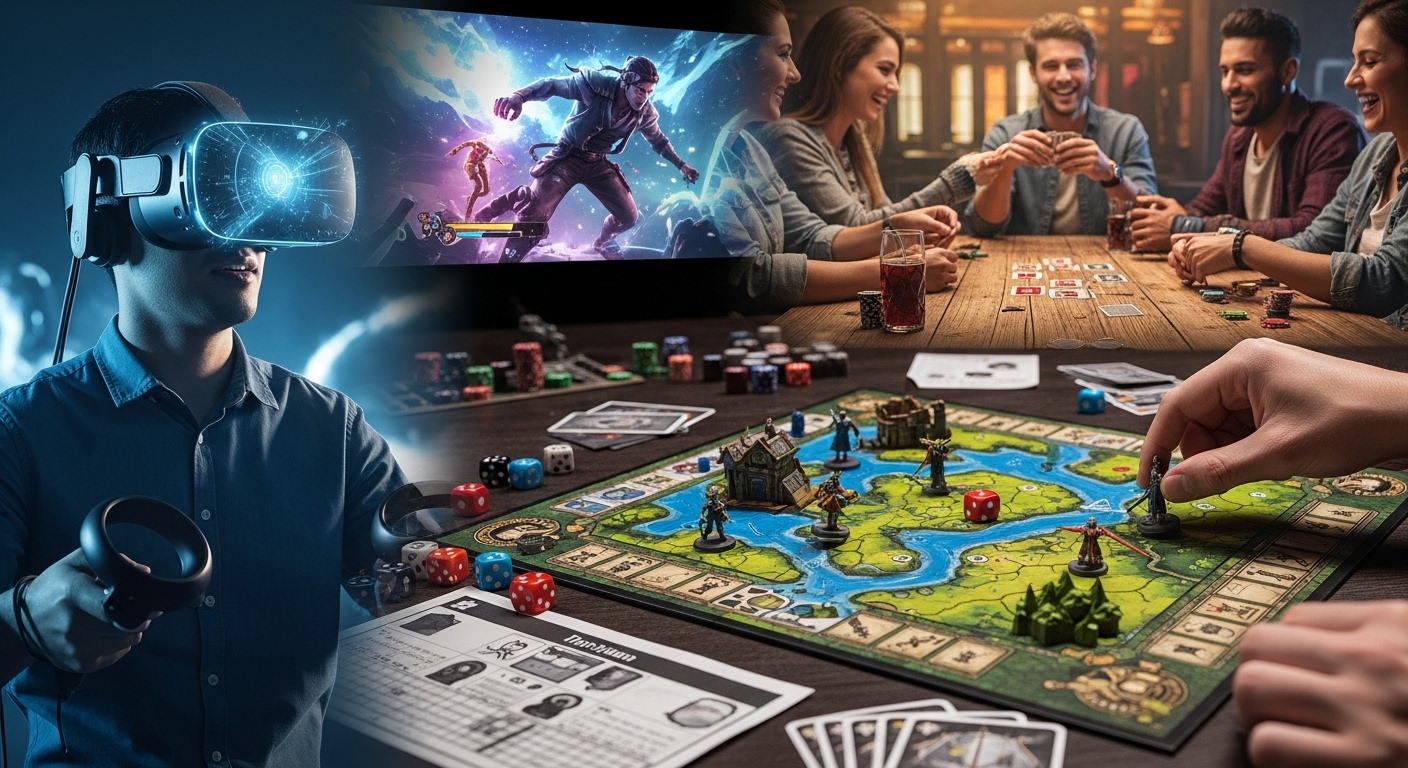
The journey of games has been remarkable. Ancient civilizations played games like chess and mancala, which required strategy and critical thinking. With the rise of video games, the scope of gaming expanded dramatically. Digital games now combine complex narratives, realistic graphics, and immersive environments, offering experiences that engage players emotionally and intellectually.
Games as a Social Experience
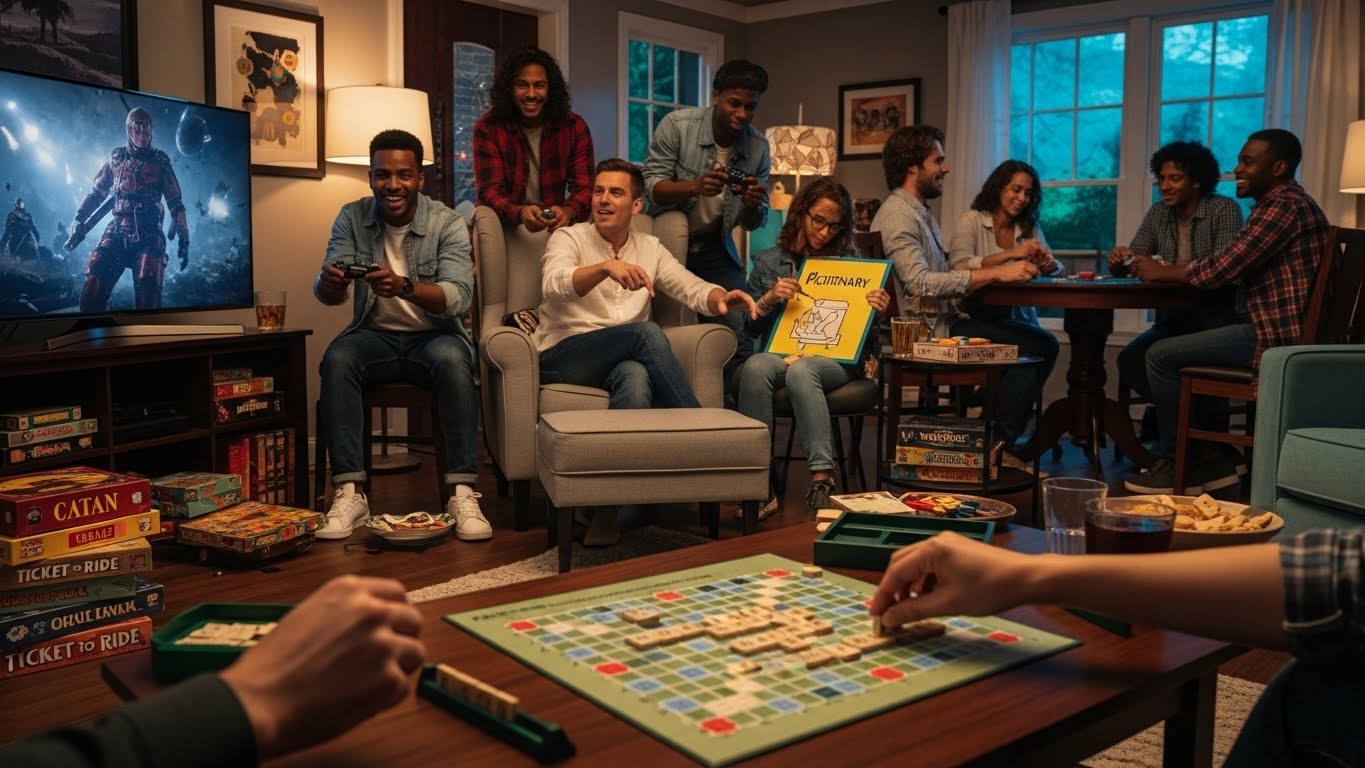
Games have the power to bring people together. Multiplayer board games, sports, and online games allow players to cooperate, compete, and communicate. Gaming communities create friendships and foster teamwork, turning play into a shared experience. The social aspect of games is as important as the challenge or entertainment they provide.
The Cognitive Benefits of Games
Playing games does more than entertain—it develops skills. Strategy games improve problem-solving and planning, puzzle games enhance logic, and fast-paced games sharpen reflexes and decision-making. Even cooperative games teach communication and leadership, demonstrating that games can be both fun and educational.
The Art of Game Design
Modern games are a blend of art and technology. Developers craft worlds filled with compelling characters, intricate plots, and immersive visuals. Music, sound effects, and interactivity add layers to the experience, making games a unique storytelling medium. Every element of a game is designed to engage players and evoke emotion.
The Rise of Competitive Gaming
Competitive gaming has become a global phenomenon. Esports tournaments attract millions of viewers and offer professional players opportunities to compete at high levels. Strategy, skill, and teamwork are at the heart of competitive gaming, highlighting that games can be a serious pursuit as well as a form of entertainment.
The Future of Games
The future of games is full of innovation. Virtual reality, augmented reality, and artificial intelligence are creating experiences that are more interactive and immersive than ever. Players will explore worlds that feel real, make choices that influence outcomes, and engage with environments that respond dynamically. The possibilities are endless, making the future of games exciting and limitless.
Conclusion
Games are more than a pastime—they are a platform for creativity, learning, and connection. They entertain, challenge, and unite people across cultures and generations. As technology advances and creativity continues to flourish, games will remain a vital part of our lives, shaping how we play, think, and connect with the world around us.